
How To Get Window Down Keys Locked In Car
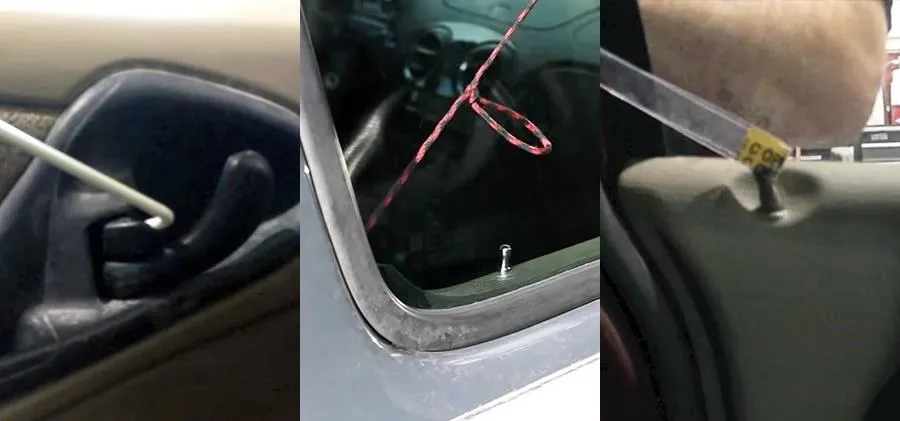
That sinking feeling. You're standing outside your car, the engine is off, one of the windows is down just enough to taunt you, and the keys are dangling from the ignition or resting on the driver's seat. You've locked yourself out. It happens to the best of us. But before you reach for a brick or call a locksmith (and rack up a hefty bill), let's explore some methods to retrieve those keys and get back on the road.
Understanding the Lock Mechanism
To successfully break into your car (without actually breaking anything), it's helpful to understand how automotive locks work. Modern car locks are significantly more complex than the simple tumblers of yesteryear, but the basic principle remains. A series of pins or wafers must be aligned in a specific order to allow the lock cylinder to rotate. The key's cuts and grooves are designed to push these pins/wafers into the correct position.
Older vehicles, like classic Mustangs or early model Camaros, often have simpler, more easily manipulated lock mechanisms. These may respond well to the methods described later, like using a slim jim or coat hanger. However, newer vehicles, particularly those with electronic immobilizer systems (which prevent the engine from starting if the correct key isn't present), and sophisticated locking mechanisms, are considerably harder to bypass.
Central locking systems, common in vehicles from the late 1990s onwards (think Honda Civics, Toyota Corollas, or Ford Focuses), add another layer of complexity. These systems use electric motors to control the locks, often triggered by a remote or a button inside the car. Bypassing these systems usually involves manipulating the electrical signals that control the motors, which can be tricky without specialized tools and knowledge.
The Non-Destructive Entry Toolkit (and Techniques)
Before resorting to drastic measures, try these methods. They require patience and a little finesse, but they can save you time and money.
1. The Slim Jim (or Jim Slick)
The slim jim is a flat, thin metal tool designed to slide down between the window and the door frame and manipulate the locking mechanism directly. It's a classic tool, but its effectiveness depends on the age and model of the car.
How it works: The slim jim is inserted into the door, aiming to engage the linkage rods that connect the lock cylinder to the latch. By carefully moving the slim jim, you can try to push or pull these rods, mimicking the action of the key.
Example: On an older Chevy Silverado, the slim jim might be effective in pulling the linkage rod connected directly to the lock cylinder. However, be extremely careful not to damage the wiring or other components inside the door. On a newer model, the electronic locking system and airbags could be problematic and even dangerous to tamper with in this way.
Caution: Using a slim jim improperly can damage the locking mechanism or wiring inside the door. It's best to have some experience or watch instructional videos before attempting this method. Also, be aware of the location of airbags and other safety features inside the door to avoid accidental deployment.
2. The Coat Hanger Method
A bent wire coat hanger can serve as a makeshift slim jim, especially if you have a good view of the door locking mechanism. This is particularly useful if you can see the linkage through the partially open window.
How it works: Straighten the coat hanger and bend a small hook at the end. Carefully insert the hanger into the door, aiming for the lock linkage or the button that controls the central locking system. Try to manipulate the linkage to unlock the door or press the button.
Example: If you own an older Subaru Outback with manual locks, you might be able to use the coat hanger to directly lift the locking lever on the door panel. This requires some patience and dexterity. Newer cars often have recessed or electronically operated buttons making this approach less viable.
Caution: Similar to the slim jim, be careful not to damage the wiring or other internal components. The coat hanger method also requires some visual access to the locking mechanism, which might not be possible in all vehicles.
3. The Inflatable Wedge and Reach Tool
This method involves using an inflatable wedge to create a small gap between the door frame and the car body. Once a gap is created, you can insert a long reach tool (often a specialized tool or a modified coat hanger) to reach inside the car and press the unlock button or grab the keys.
How it works: The inflatable wedge is inserted into the door jamb and inflated, creating a gap of approximately an inch or two. This allows you to insert the reach tool and access the interior of the car. Use the tool to press the unlock button, grab the keys, or manipulate the door handle.
Example: On a modern Audi A4, this method can be effective if you can reach the door unlock button on the interior door panel. Be careful not to over-inflate the wedge, as this could damage the door frame or window.
Caution: Use caution when inflating the wedge to avoid damaging the door frame or window. Also, the reach tool needs to be long enough to reach the desired target inside the car.
4. Using a Spare Key
This seems obvious, but it's worth mentioning. If you have a spare key, now is the time to retrieve it. Keep a spare key hidden somewhere safe (and accessible) or give it to a trusted friend or family member.
Example: Many people keep a spare key at home or in a secure lockbox. If you have a friend or family member nearby, they might be able to bring you the spare key.
5. Remote Unlocking Services
Many modern vehicles (particularly those with connected car services) offer remote unlocking features through a smartphone app or a call center. If you subscribe to such a service, you might be able to unlock your car remotely.
Example: GM's OnStar, FordPass, and similar services offered by other manufacturers allow you to unlock your car remotely using a smartphone app or by calling a customer service representative. This is often the quickest and easiest solution if you subscribe to the service.
Note: This method requires an active subscription to the service and a working internet connection.
When to Call a Professional
If you've tried the above methods and haven't been successful, or if you're uncomfortable attempting them yourself, it's best to call a professional locksmith or roadside assistance service. They have the tools and expertise to unlock your car without causing damage.
Locksmiths have specialized tools and techniques for unlocking cars, including advanced lock picks and bypass tools. They can also reprogram transponder keys if necessary. Roadside assistance services often have contracts with locksmiths and can provide quick and reliable service.
Practical Takeaways
- Prevention is key: The easiest way to avoid this situation is to always carry a spare key or keep one in a safe and accessible location.
- Know your car: Understand the type of locking system your car has and the location of airbags and other safety features before attempting any of these methods.
- Be patient and careful: Don't rush the process. Work slowly and carefully to avoid damaging your car.
- Consider professional help: If you're not comfortable attempting these methods yourself, or if you've tried them and haven't been successful, call a professional locksmith or roadside assistance service.
- Explore Remote Options: Check if your car has remote unlocking features through a smartphone app or a connected car service.
Ultimately, dealing with locked keys inside a car is a common problem with several potential solutions. Understanding your car's locking system and employing the right technique with care can get you back behind the wheel quickly and safely. Good luck!