
How To Get Wiper Scratches Off Windshield
Dealing with scratches on your windshield can be frustrating, especially when they're caused by your windshield wipers. Those annoying streaks and hazy patches can significantly reduce visibility, making driving unsafe, particularly at night or in bright sunlight. But don't despair! While deep gouges might require professional intervention, many wiper scratches can be addressed with the right approach. Let's explore the common causes of wiper scratches and how to effectively remove them.
Understanding Wiper Scratches
Wiper scratches aren't just cosmetic; they're a sign of something amiss. Often, they're a result of:
- Dirty Wipers: The most common culprit. Dirt, debris, and even tiny particles of road grime can become embedded in the wiper blades. When you use your wipers, these particles act like sandpaper, scratching the glass.
- Dry Wiping: Running your wipers on a dry windshield is a recipe for scratches. The lack of lubrication creates friction and abrasion.
- Worn-Out Wiper Blades: Over time, wiper blades deteriorate, becoming brittle and cracked. The rubber edges lose their flexibility and can develop hard spots that scratch the glass.
- Debris on the Windshield: Even a single pebble or piece of grit can cause significant damage when dragged across the windshield by the wipers.
- Improper Wiper Arm Pressure: If the wiper arm is applying too much pressure, it can exacerbate the scratching effect, even with relatively clean blades.
Assessing the Damage
Before you start any repair, it's crucial to assess the severity of the scratches. Light scratches, often appearing as hazy streaks, are usually superficial and easier to remove. Deeper scratches, which you can feel with your fingernail, might require professional glass polishing or even windshield replacement. Always prioritize safety; if the scratches severely impair your vision, consider professional help immediately.
DIY Solutions for Removing Wiper Scratches
For light to moderate scratches, you can try the following DIY methods:
1. Cleaning and Inspection
Start with a thorough cleaning of both the windshield and the wiper blades. Use a dedicated glass cleaner and a microfiber cloth. For the wiper blades, you can gently wipe them down with a damp cloth to remove any embedded debris. Inspect the blades for signs of wear and tear. If they're cracked, torn, or hardened, replace them immediately. New wiper blades are relatively inexpensive and can prevent further scratching.
2. Glass Polishing Compounds
Glass polishing compounds contain mild abrasives that can help buff out light scratches. Look for products specifically designed for automotive glass. Here's the process:
- Clean the Windshield: Ensure the windshield is clean and dry.
- Apply the Compound: Apply a small amount of polishing compound to a microfiber applicator pad.
- Buff the Scratches: Using firm, even pressure, buff the scratches in a circular motion. Work in small sections and overlap your passes.
- Remove Residue: Use a clean microfiber cloth to remove any remaining compound residue.
- Repeat as Needed: Depending on the severity of the scratches, you may need to repeat the process several times.
Tools Needed:
- Glass cleaner
- Microfiber cloths
- Glass polishing compound
- Microfiber applicator pad
- Spray bottle with water (for rinsing)
Approximate Cost: Glass polishing compounds typically range from $10 to $30.
3. Cerium Oxide Polish
Cerium oxide is a more abrasive polishing compound used for removing more stubborn scratches. It's often used by professionals, but it can be used at home with caution. It's crucial to follow the instructions carefully, as excessive polishing can distort the glass.
Procedure:
- Prepare the Cerium Oxide: Mix the cerium oxide powder with water to form a slurry, following the product instructions. The consistency should be similar to a thick paste.
- Apply to the Windshield: Apply the slurry to the scratched area.
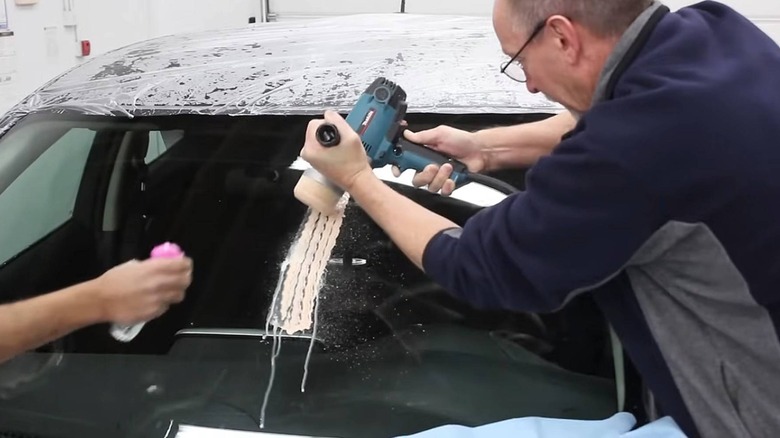
- Buff with a Polishing Pad: Use a rotary polisher with a felt or foam polishing pad specifically designed for glass. Start at a low speed and gradually increase as needed. Keep the pad moist by spritzing with water.
- Polish in Overlapping Circles: Polish the affected area in small, overlapping circles. Avoid concentrating on one spot for too long, as this can overheat the glass.
- Rinse and Inspect: Rinse the windshield with water and inspect the results. Repeat as necessary.
- Clean Thoroughly: Once the scratches are removed or significantly reduced, clean the windshield thoroughly with a glass cleaner.
Important Considerations when using Cerium Oxide:
Caution: Cerium oxide can generate heat and potentially damage the glass if not used correctly. Always wear eye protection and gloves when working with cerium oxide. Practice on an inconspicuous area first to get a feel for the process. If you're unsure about using cerium oxide, it's best to consult a professional.
Tools Needed:
- Cerium oxide powder
- Water
- Rotary polisher with variable speed control
- Felt or foam polishing pads (for glass)
- Spray bottle with water
- Eye protection
- Gloves
- Glass cleaner
- Microfiber cloths
Approximate Cost: Cerium oxide powder typically costs between $15 and $40. A rotary polisher can range from $50 to $200, depending on the quality and features.
When to Seek Professional Help
If the scratches are deep, extensive, or if you're uncomfortable attempting DIY repairs, it's best to consult a professional auto glass technician. They have the tools and expertise to safely and effectively remove scratches without damaging the windshield. Don't risk further damage by attempting repairs beyond your skill level.
A professional glass repair shop may use specialized equipment, such as a professional-grade glass polishing system, to remove scratches. In some cases, if the damage is too severe, windshield replacement may be the only option.
Approximate Cost of Professional Repair: Professional glass polishing can range from $75 to $200, depending on the severity of the scratches and the shop's rates. Windshield replacement can cost anywhere from $200 to $500 or more, depending on the make and model of your vehicle.
Preventing Future Wiper Scratches
Prevention is always better than cure. Follow these tips to minimize the risk of wiper scratches:
- Regularly Clean Your Windshield: Keep your windshield clean from dirt, debris, and road grime.
- Use Windshield Washer Fluid: Always use windshield washer fluid when operating your wipers. Avoid dry wiping.
- Replace Wiper Blades Regularly: Replace your wiper blades every 6-12 months, or sooner if you notice signs of wear and tear.
- Check Wiper Arm Pressure: Ensure the wiper arm pressure is correct. If the wipers skip or chatter, the arm might need adjustment.
- Park in Covered Areas: If possible, park your car in a garage or under a carport to protect it from the elements and reduce the buildup of debris on the windshield.
By understanding the causes of wiper scratches and taking proactive steps to prevent them, you can keep your windshield clear and ensure safe driving for years to come. Remember, if in doubt, always consult a professional!