
How To Jump A Car With A Portable Battery
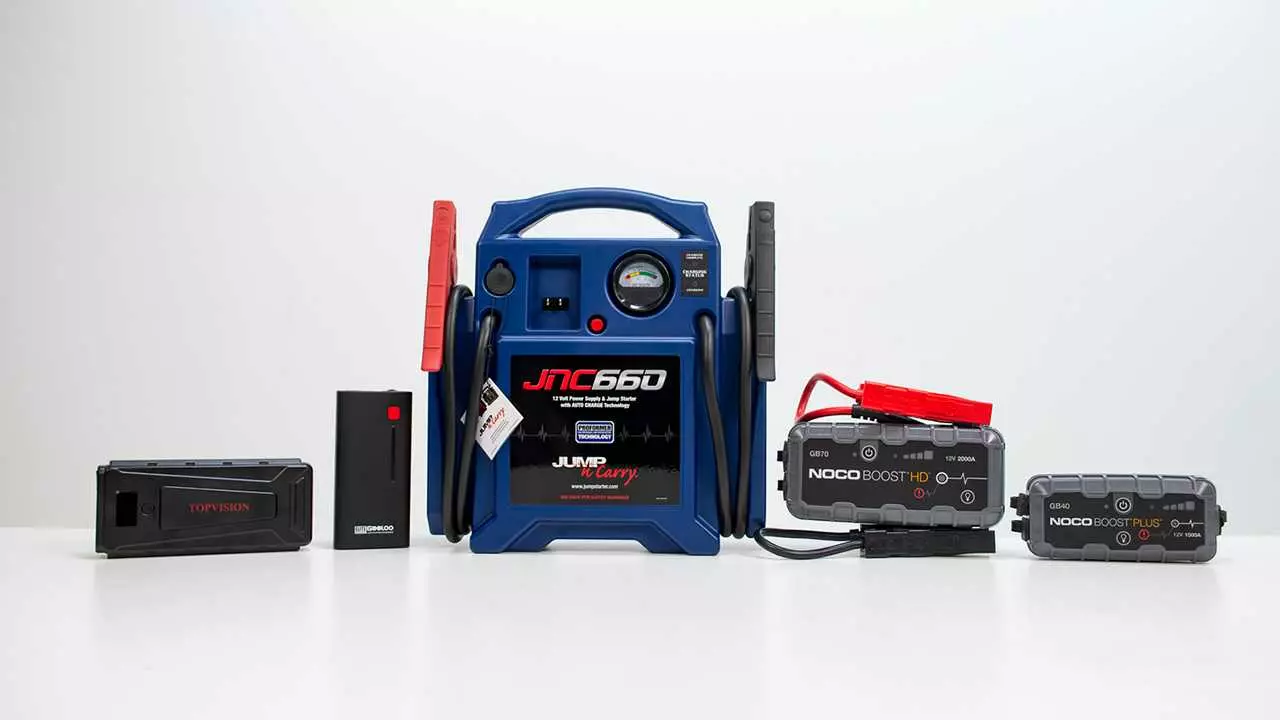
The portable battery jump starter has become an indispensable tool for car owners and mechanics alike. No longer are we solely reliant on jumper cables and a good Samaritan. This article will guide you through the proper use of a portable jump starter, covering maintenance, troubleshooting, and common real-world scenarios.
Jump Starting Your Car: A Step-by-Step Guide
First and foremost, always consult your vehicle's owner's manual before attempting a jump start. While the process is generally universal, some vehicles have specific instructions or safety precautions.
- Preparation is Key: Put on safety glasses and gloves. Ensure both the jump starter and your car are turned off. Locate your car's battery (usually under the hood, but sometimes in the trunk – common in BMWs and some older Cadillacs).
- Connecting the Clamps: Correct polarity is crucial. Attach the red (+) clamp to the positive (+) terminal of your car battery. Then, attach the black (-) clamp to a clean, unpainted metal surface on your car's frame, away from the battery. This is your grounding point. A common grounding point is a strut tower bolt or engine block. Never connect the black clamp directly to the negative (-) battery terminal, as this can create a spark near the battery, potentially igniting hydrogen gas.
- Powering Up the Jump Starter: Turn on the jump starter, following the manufacturer's instructions. Most units have an on/off switch or a boost button. Some require a few seconds to initialize.
- Starting Your Car: Attempt to start your car. If it starts immediately, great! If not, wait a minute or two and try again. Do not crank the engine continuously for more than 10-15 seconds at a time, as this can damage the starter motor.
- Disconnecting the Jump Starter: Once the car is running, carefully disconnect the clamps in reverse order: black (-) clamp from the grounding point, then red (+) clamp from the positive (+) battery terminal. Turn off the jump starter.
- Let Your Car Run: Allow your car to run for at least 20-30 minutes to recharge the battery. Longer is better, especially if the battery was deeply discharged.
Common Problems and Solutions
Even with a portable jump starter, things can go wrong. Here are some common issues and their fixes:
- Problem: Jump starter won't turn on.
- Cause: Low battery in the jump starter itself.
- Solution: Charge the jump starter fully. Most jump starters have an indicator light to show battery level.
- Problem: Car won't start even with the jump starter connected.
- Cause 1: Poor connections.
- Solution 1: Double-check that the clamps are securely attached to the battery terminals and grounding point. Clean the battery terminals with a wire brush if they are corroded (common in older Ford trucks).
- Cause 2: Jump starter is not powerful enough for your car.
- Solution 2: Ensure your jump starter has sufficient cranking amps (CCA) for your vehicle's engine size. A small jump starter might not be enough for a large SUV like a Chevy Tahoe.
- Cause 3: Underlying mechanical issues.
- Solution 3: The jump starter may not be the solution. If the engine cranks but doesn't start, there could be a fuel or ignition problem. Consult a mechanic.
- Cause 4: Completely dead battery.
- Solution 4: Some jump starters have a "boost" or "force start" mode for completely dead batteries (0 volts). Use this feature with caution, as it bypasses some safety features. Consult your jump starter's manual.
- Problem: Jump starter shuts off immediately after connecting.
- Cause: Overload protection triggered.
- Solution: This usually indicates a short circuit or a battery that is drawing excessive current. Disconnect the jump starter immediately and inspect the battery and wiring for damage. Consult a mechanic.
- Problem: Sparking when connecting the clamps.
- Cause: Incorrect polarity or poor grounding.
- Solution: Double-check that the red clamp is on the positive terminal and the black clamp is on a clean, unpainted metal surface. Ensure the connection is firm. Excessive sparking can indicate a more serious electrical issue.
Jump Starter Maintenance
Proper maintenance ensures your jump starter is ready when you need it most. Here are some tips:
- Charging: Charge your jump starter regularly, even when not in use. Most manufacturers recommend charging every 3-6 months. Leaving it uncharged for extended periods can damage the battery (especially lithium-ion batteries).
- Storage: Store your jump starter in a cool, dry place. Extreme temperatures can shorten the battery's lifespan.
- Inspection: Regularly inspect the clamps, cables, and housing for damage. Replace any damaged parts immediately.
- Cleaning: Clean the clamps after each use to remove any dirt or corrosion.
Real-World Examples
Let's look at some specific car models and potential scenarios:
- Toyota Camry: A common issue with older Camrys is a corroded battery terminal. Cleaning the terminals thoroughly before connecting the jump starter is crucial.
- Ford F-150: F-150s, especially those used for towing, often have a heavy-duty battery. Ensure your jump starter has sufficient CCA to handle the larger battery.
- BMW 3 Series: Many BMWs have the battery located in the trunk. Refer to the owner's manual for the proper jump-start terminals under the hood.
Keeping Your Car in Top Condition
A portable jump starter is a great tool, but it's not a substitute for proper car maintenance. Here are some tips to keep your car running smoothly and avoid dead batteries:
- Regular Battery Testing: Have your battery tested at least once a year, especially if it's more than three years old. Many auto parts stores offer free battery testing.
- Clean Battery Terminals: Keep your battery terminals clean and free of corrosion.
- Turn Off Lights: Make sure you turn off your headlights and interior lights when you park.
- Avoid Short Trips: Short trips don't give your battery enough time to fully recharge. If you primarily drive short distances, consider using a battery maintainer (trickle charger) periodically.
- Check for Parasitic Drain: A parasitic drain is when something in your car is drawing power even when the car is off. This can drain your battery overnight. Common causes include faulty relays, aftermarket accessories, and a glove box light that stays on. A mechanic can diagnose and fix parasitic drains.
By following these guidelines, you can confidently use a portable jump starter and keep your car in optimal condition, minimizing the chances of getting stranded with a dead battery.