
How To Keep A Car Door From Freezing Shut
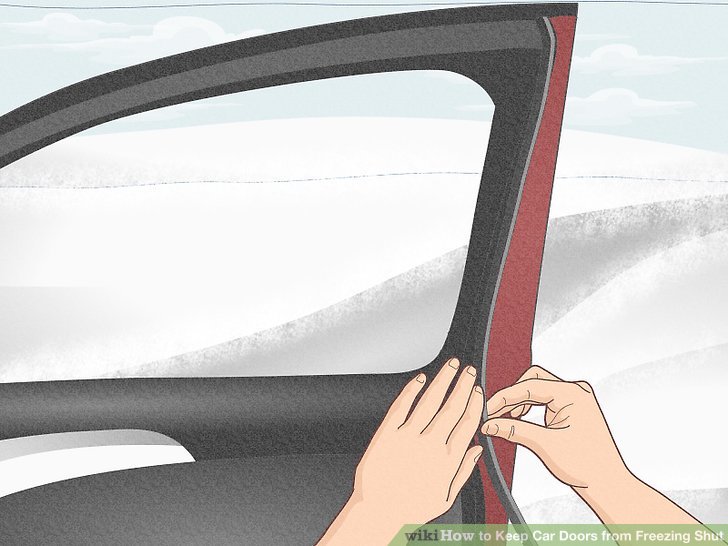
Winter's icy grip can turn simple tasks, like opening your car door, into a frustrating ordeal. A frozen car door isn't just inconvenient; it can potentially damage your vehicle's weather stripping and paint. Understanding the mechanics behind why doors freeze and knowing effective preventative measures is crucial for any car owner, especially those in colder climates. This article delves into the science and provides actionable solutions to keep your car doors opening smoothly all winter long.
Understanding the Freeze: The Science Behind Sticky Doors
The primary culprit behind frozen car doors is moisture. Snow, sleet, or even rain can accumulate in the gaps between the door frame and the rubber weather stripping. As temperatures drop below freezing (0°C or 32°F), this moisture turns to ice, effectively gluing the door shut. This process is exacerbated by the expansion of water as it freezes, creating a powerful bond. It's important to note that even seemingly dry conditions can contribute to the problem. Humidity in the air can condense on cold surfaces, leading to ice formation, especially overnight.
Preventative Measures: A Proactive Approach
The best defense against a frozen car door is prevention. Here are several effective strategies to minimize the risk:
- Lubricate Weather Stripping: Applying a silicone-based lubricant to your car's weather stripping is a crucial step. Silicone lubricants repel water and prevent it from freezing and sticking to the rubber. Avoid petroleum-based products like WD-40, as they can degrade rubber over time. Dedicated silicone grease or sprays designed for automotive weather stripping are ideal. Reapply the lubricant every few weeks throughout the winter for optimal protection.
- Dry Your Car After Washing: After washing your car, pay close attention to drying the door jambs and weather stripping thoroughly. Use a microfiber cloth to absorb any residual water. Consider using a leaf blower on a low setting to force water out of hard-to-reach areas.
- Park Strategically: If possible, park your car facing east. The morning sun can help melt any ice that has formed overnight. Parking in a garage, even an unheated one, provides significant insulation against extreme temperature drops.
- Use a Car Cover: A car cover provides a physical barrier against snow and ice, reducing the amount of moisture that can accumulate around the doors. Choose a cover that is waterproof and breathable to prevent moisture buildup underneath.
- Apply Glycerin: Glycerin is a humectant, meaning it attracts moisture. While seemingly counterintuitive, a thin layer of glycerin applied to the weather stripping can prevent ice from bonding as strongly. However, this method should be used cautiously as it can also attract dirt.
Dealing with a Frozen Door: Safe Opening Techniques
If, despite your best efforts, your car door is frozen shut, avoid using brute force. Yanking on the door can damage the weather stripping, door handle mechanism, or even the door frame itself.
- Try Other Doors: Sometimes, only one or two doors are frozen. Trying other doors, including the trunk or hatch, might provide access to the interior.
- Apply Gentle Pressure: Gently push inwards on the door while simultaneously trying to open it. This can help break the ice bond without excessive force.
- Use Warm (Not Hot) Water: Pouring warm water (not boiling!) along the door frame can melt the ice. Important: Ensure the water is not too hot, as rapid temperature changes can crack the glass. Also, immediately dry the area to prevent re-freezing.
- Use a Hair Dryer: A hair dryer can be used to gently warm the door frame and melt the ice. Keep the hair dryer moving and avoid concentrating the heat on one spot for too long.
- De-Icing Spray: Commercial de-icing sprays, available at most auto parts stores, are designed to melt ice quickly and safely. Apply the spray along the door frame and wait a few minutes before attempting to open the door.
Advanced Techniques for Professionals
For mechanics and auto professionals dealing with particularly stubborn cases, consider these advanced techniques:
- Steamer: A handheld steamer can deliver targeted heat to melt the ice without damaging the vehicle. Be cautious not to overheat the paint or glass.
- Diagnostic Scan: In rare cases, a frozen door could mask an underlying issue with the door locking mechanism or central locking system. A diagnostic scan can rule out any electrical faults.
- Weather Stripping Replacement: If the weather stripping is severely damaged or deteriorated, replacement is the best long-term solution. Ensure the replacement weather stripping is properly installed and lubricated.
By understanding the science behind frozen car doors and implementing these preventative and corrective measures, you can ensure a smooth and hassle-free winter driving experience. Remember, patience and a proactive approach are key to avoiding damage and staying safe on the road.