
How To Know If Brakes Need To Be Replaced
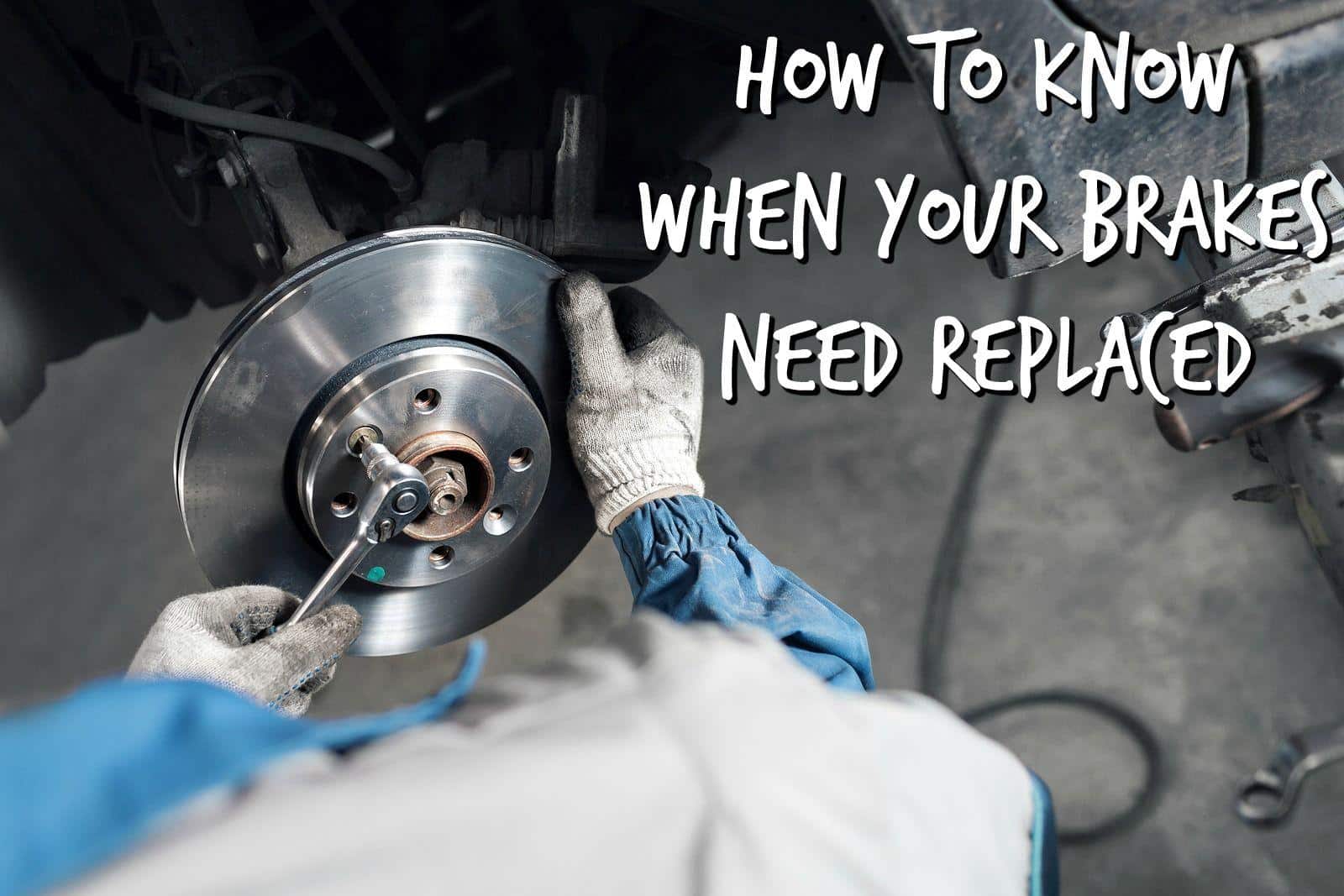
Knowing when to replace your brakes is crucial for your safety and the safety of others on the road. Ignoring brake problems can lead to accidents and costly repairs down the line. This article will help you understand the signs that your brakes need replacing, explaining the technical details in a way that's easy to grasp, whether you're a seasoned car enthusiast or a new driver.
Understanding Brake Components and Their Function
To understand when your brakes need replacing, it's helpful to know the main components and how they work:
- Brake Pads: These are friction materials that press against the rotor to slow the wheel. Think of them like the sole of your shoe - they wear down with use.
- Brake Rotors (or Discs): These are the metal discs that the brake pads clamp onto. Over time, they can wear down, warp, or become scored.
- Brake Calipers: These house the brake pads and use hydraulic pressure to squeeze the pads against the rotors. They can sometimes seize or leak.
- Brake Lines: These carry brake fluid from the master cylinder to the calipers. They can corrode and leak.
- Brake Fluid: This hydraulic fluid transmits the pressure from the brake pedal to the calipers. It needs to be clean and at the proper level to function effectively.
The basic principle is simple: when you press the brake pedal, hydraulic pressure forces the calipers to squeeze the brake pads against the rotors, creating friction and slowing the wheels. Over time, the friction wears down the pads and, to a lesser extent, the rotors.
Key Signs Your Brakes Need Replacing
Here are the most common signs indicating that your brakes might need attention:
1. Squealing or Screeching Noises
This is often the first and most obvious sign. Most brake pads have a built-in wear indicator – a small piece of metal that rubs against the rotor when the pad material wears thin. This creates a high-pitched squeal or screeching sound. This noise is a *warning* that your pads are nearing the end of their life. Think of it like the low fuel light in your 2015 Honda Civic. It doesn't mean you're out of gas, but it's time to fill up. Similarly, squealing brakes don't always mean immediate failure, but they warrant a checkup.
However, occasional squealing can also be caused by moisture or debris on the rotors, especially in humid conditions. This usually goes away after a few stops. Persistent squealing is a definite red flag.
2. Grinding Noises
A grinding noise is a more serious sign. It indicates that the brake pads have worn down completely, and the metal backing plate of the pad is now rubbing directly against the rotor. This can cause significant damage to the rotors, requiring them to be replaced as well. Driving with grinding brakes is dangerous and can severely compromise your braking performance.
Imagine the difference between sandpaper and a metal file. Squealing is like sandpaper rubbing, while grinding is like a metal file tearing into your rotor. This will certainly impact the stopping performance of your classic Ford Mustang.
3. Reduced Braking Performance
If you notice that it takes longer to stop or that you need to apply more pressure to the brake pedal, your brakes may be worn or contaminated. This could be due to worn brake pads, glazed rotors (where the surface becomes hard and shiny), or air in the brake lines. Reduced braking performance is a serious safety concern and should be addressed immediately.
For example, if you're used to stopping your Subaru Outback quickly, but suddenly it feels like you're dragging to a halt, that's a significant change indicating a problem.
4. Vibration or Pulsation When Braking
A vibration or pulsation in the brake pedal or steering wheel when braking can indicate warped rotors. Warping occurs due to uneven heating and cooling of the rotors, causing them to distort. When the brake pads clamp onto a warped rotor, it creates a pulsating sensation. This can also be caused by uneven brake pad deposits on the rotor.
Think of it like driving over a slightly bumpy road – you feel the vibrations through the steering wheel. A warped rotor creates a similar sensation, but only when you're braking. Luxury cars such as a BMW 5 series are designed with very precise brake performance, so even slight warpage can be easily felt.
5. Brake Pedal Feels Spongy or Soft
A spongy or soft brake pedal indicates that there's air in the brake lines. Air is compressible, unlike brake fluid, so it reduces the hydraulic pressure transmitted to the calipers. This results in a less responsive and less effective braking system. Bleeding the brakes is necessary to remove the air from the lines.
Imagine trying to squeeze a water balloon that's also filled with air. The air pocket makes the balloon feel soft and squishy. Similarly, air in the brake lines makes the brake pedal feel spongy.
6. Brake Fluid Leaks
Brake fluid leaks are a serious problem. If you notice a puddle of fluid under your car, especially near the wheels, it could be brake fluid. Leaks can be caused by damaged brake lines, leaky calipers, or a faulty master cylinder. Low brake fluid levels can lead to reduced braking performance and, in extreme cases, complete brake failure. *Always check your brake fluid level periodically.*
Brake fluid is usually amber or light brown in color. If you see a dark, oily puddle, it's probably not brake fluid.
7. Visual Inspection of Brake Pads
You can visually inspect your brake pads to assess their thickness. Most brake pads have a wear indicator groove. If the pad material is worn down to the level of the groove, it's time to replace them. Even without a groove, if the pad material is less than 1/4 inch thick, it's time for replacement. You can often see the outer pad through the wheel spokes without removing the wheel, but a thorough inspection requires removing the wheel.
Checking the pads on your own is easier on cars with alloy wheels that allow for good visibility of the brake components, such as many modern Toyota models.
DIY Inspection vs. Professional Inspection
While you can perform a basic inspection of your brakes yourself, it's always recommended to have them professionally inspected by a qualified mechanic. A mechanic can thoroughly assess the condition of all brake components, including the rotors, calipers, brake lines, and brake fluid. They can also identify any potential problems that you might miss.
A professional inspection typically involves:
- Measuring brake pad thickness.
- Inspecting rotors for wear, warping, and scoring.
- Checking calipers for leaks and proper function.
- Inspecting brake lines for corrosion and damage.
- Testing brake fluid for contamination and moisture content.
Remember, brakes are a critical safety system. When in doubt, always consult a professional.
Practical Takeaways
Here are some practical steps you can take to ensure your brakes are in good condition:
- Listen to your brakes: Pay attention to any unusual noises, such as squealing, grinding, or clicking.
- Feel for vibrations: Be aware of any vibrations or pulsations when braking.
- Observe braking performance: Notice if it takes longer to stop or if the brake pedal feels spongy.
- Check brake fluid levels: Regularly check the brake fluid level in the master cylinder and look for any signs of leaks.
- Visually inspect brake pads: Periodically inspect the brake pads for wear.
- Follow your car's maintenance schedule: Adhere to the manufacturer's recommended brake service intervals.
- Don't ignore warning signs: Address any brake problems promptly. Ignoring them can lead to more costly repairs and, more importantly, compromise your safety.
By understanding the signs that your brakes need replacing and taking proactive steps to maintain them, you can ensure your safety and the safety of others on the road. Regular maintenance and prompt attention to any brake problems are essential for safe driving.