
How To Know If Power Steering Pump Is Bad
So, your steering wheel feels like you're wrestling a greased pig, or maybe it's singing a high-pitched whine that's more annoying than your neighbor's leaf blower? Chances are, your power steering pump is on its way out. But before you start throwing parts at your pride and joy, let's diagnose the issue like a seasoned mechanic, focusing on the nuances that separate a simple fix from a full-blown pump replacement.
The Usual Suspects: Common Symptoms
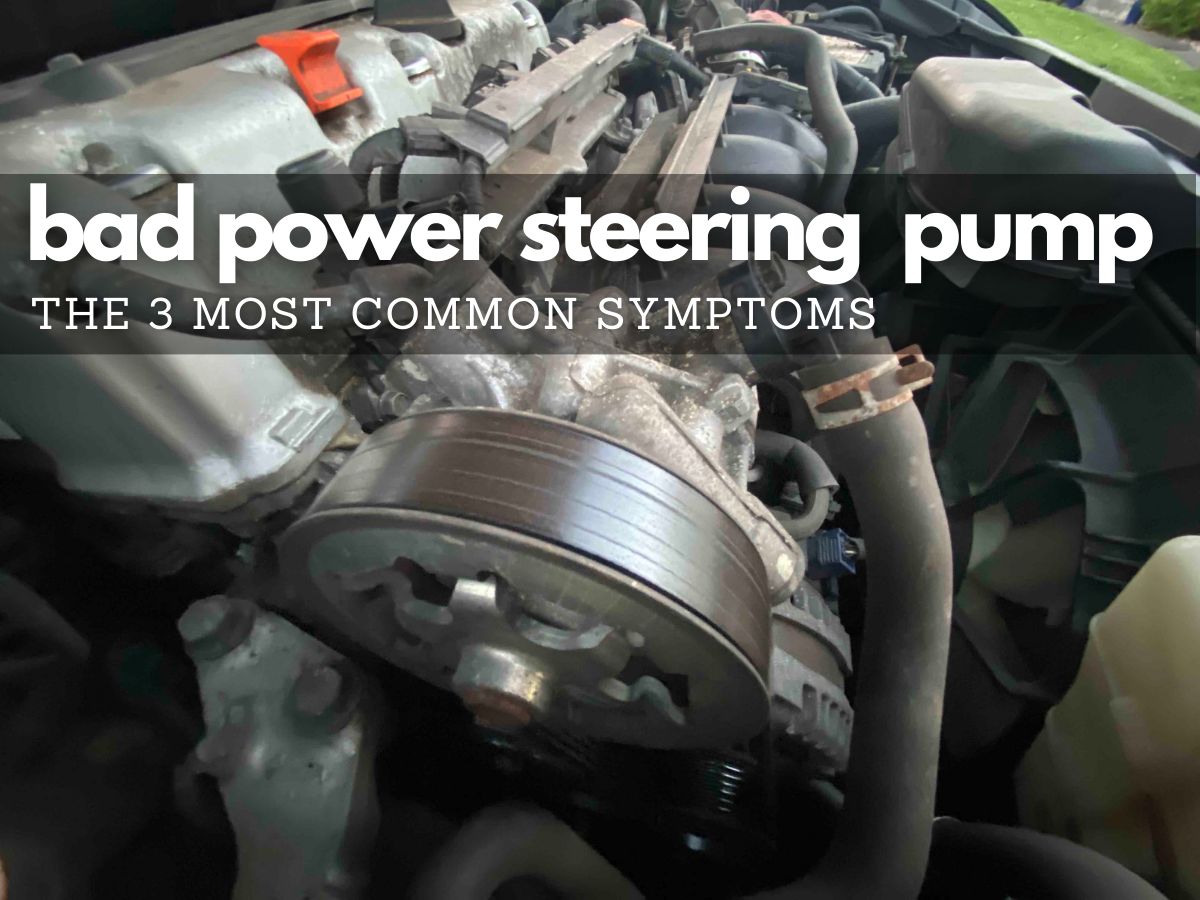
Before we dive into model-specific quirks, let's cover the basics. A failing power steering pump typically announces its impending demise with a few tell-tale signs:
- Stiff Steering: This is the most obvious symptom. You'll notice significantly increased effort needed to turn the wheel, especially at low speeds.
- Whining Noise: A high-pitched whine, often loudest when turning the wheel, is a classic sign. This indicates the pump is struggling to circulate fluid, likely due to internal wear or low fluid levels.
- Groaning Noise: A lower-pitched groaning sound can also indicate a problem, possibly related to cavitation (air bubbles forming in the fluid).
- Jerky Steering: Instead of smooth, consistent assistance, you might experience jerky or uneven steering, particularly noticeable during parking maneuvers.
- Fluid Leaks: Check for leaks around the pump, hoses, and reservoir. Low fluid levels are a common cause of pump failure, and a leak needs immediate attention.
Diving Deeper: Model and Engine Differences
While the symptoms above are universal, the specifics of diagnosis and repair can vary greatly depending on your vehicle. Let's look at a few examples:
Scenario 1: Classic American Muscle (1969 Ford Mustang with a 302 V8)
These older systems are relatively simple. The pump is typically a robust, belt-driven unit. However, the rubber hoses are prone to cracking and leaking over time. Also, *check the belt tension*. A loose belt can slip, causing intermittent power steering loss and a squealing noise.
Spec Table: 1969 Mustang Power Steering Pump
| Component | Specification |
|---|---|
| Pump Type | Saginaw P-Series |
| Fluid Type | Type F Automatic Transmission Fluid (Historically) |
| Belt Type | V-Belt |
Real-World Driving Impression: A failing pump in a classic Mustang will make parallel parking a workout. Expect a gradual decline in assistance rather than a sudden failure.
Scenario 2: Modern European Sport Sedan (2015 BMW 328i with Electric Power Steering (EPS))
Modern BMWs often use EPS, which eliminates the hydraulic pump altogether. Instead, an electric motor provides steering assistance. This changes the diagnostic process considerably. If you're experiencing steering problems in an EPS system, the culprit is more likely to be a faulty motor, sensor, or wiring issue, rather than a traditional pump failure. You’ll likely see warning lights on the dashboard.
Spec Table: 2015 BMW 328i Electric Power Steering (EPS)
| Component | Specification |
|---|---|
| System Type | Column-mounted EPS |
| Power Source | 12V Electrical System |
| Fluid Type | N/A (EPS systems do not use hydraulic fluid) |
Real-World Driving Impression: EPS failures often manifest as sudden loss of assistance or erratic steering behavior. Diagnostics typically require specialized scan tools to read error codes.
Scenario 3: Hybrid SUV (2020 Toyota RAV4 Hybrid)
Hybrid vehicles often use a hybrid power steering system. These can be electro-hydraulic systems, where an electric motor drives a small hydraulic pump. This allows for steering assist even when the engine is off. Issues can stem from the electric motor, the pump itself, or related sensors.
Spec Table: 2020 Toyota RAV4 Hybrid Power Steering System
| Component | Specification |
|---|---|
| System Type | Electro-hydraulic Power Steering (EHPS) |
| Pump Type | Electrically Driven Hydraulic Pump |
| Fluid Type | Toyota Genuine Power Steering Fluid or equivalent |
Real-World Driving Impression: Steering issues might be intermittent, especially during transitions between electric and gasoline power. Listen for unusual noises from the pump motor, particularly at low speeds.
Troubleshooting Tips and Tricks
- Check Fluid Level and Condition: Low fluid is the simplest problem to fix. Also, look for dark, sludgy fluid, which indicates contamination.
- Inspect Hoses and Connections: Look for leaks, cracks, or loose connections. Replace any damaged hoses.
- Listen Carefully: Pay attention to the type of noise the pump is making. A whining sound often indicates air in the system or low fluid, while a groaning sound can point to internal pump wear.
- Bleed the System: If you've recently worked on the power steering system, air might be trapped inside. Follow the manufacturer's recommended bleeding procedure.
When to Replace the Pump
If you've checked the fluid level, hoses, and belt tension, and the symptoms persist, the pump is likely failing. *Replacing the pump is a relatively straightforward job*, but it's essential to use the correct replacement part and follow the manufacturer's instructions carefully. *Consider replacing the power steering fluid reservoir at the same time*, especially if it's heavily contaminated.
Power Steering Pump Pros and Cons
Pros:
- Reduces steering effort, especially at low speeds.
- Improves maneuverability and parking ease.
- Enhances driving comfort.
Cons:
- Adds complexity and potential failure points to the steering system.
- Can consume engine power and reduce fuel efficiency (though EPS systems mitigate this).
- Requires regular maintenance (fluid changes, inspections).
Ultimately, diagnosing a power steering pump issue requires a combination of observation, careful inspection, and a bit of mechanical intuition. By understanding the specific characteristics of your vehicle's power steering system, you can avoid unnecessary repairs and keep your ride steering smoothly for years to come.
Fun Note: Now, let's hear it! Does anyone actually *prefer* manual steering over power steering? I know some purists swear by the "feel" of a manual rack, but let's be honest, are they just trying to impress us with their biceps? Let the debate begin!