
How To Know If You Have A Blown Head Gasket
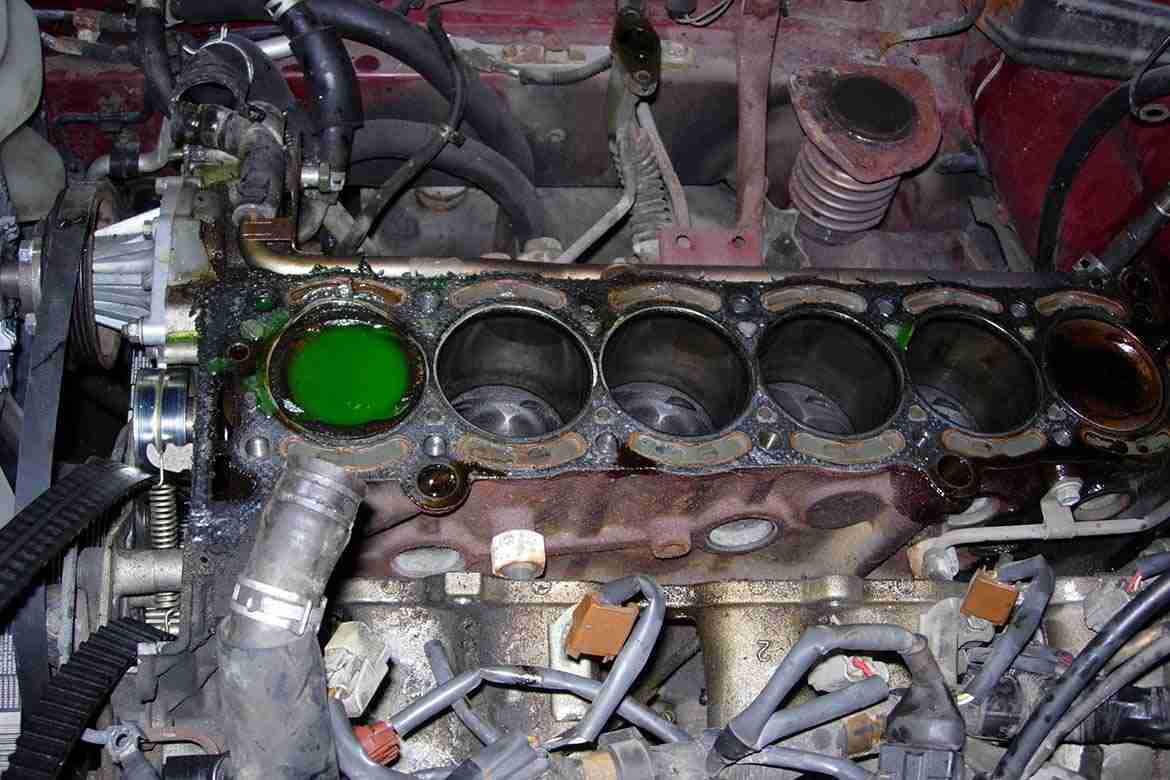
The dreaded blown head gasket. Just the phrase can send shivers down the spine of any car enthusiast or owner. Responsible for maintaining a critical seal between the engine block and the cylinder head, a failed head gasket can lead to a cascade of potentially catastrophic (and expensive) engine problems. But how do you know if you've got one? This guide will walk you through the symptoms, diagnostics, and potential causes, helping you identify and address a blown head gasket before it causes irreparable damage.
Understanding the Head Gasket's Role
Before diving into the symptoms, let's understand the head gasket's vital function. It's essentially a sealing ring, usually made of composite materials, copper, or steel, sandwiched between the engine block and cylinder head. Its job is threefold: it seals the combustion chamber to prevent loss of compression, it seals the oil passages that lubricate the engine's upper components (like the camshaft and valve train), and it seals the coolant passages that circulate coolant through the head to regulate temperature. Failure of any of these seals constitutes a blown head gasket.
Key Symptoms of a Blown Head Gasket
Recognizing the symptoms early can save you a significant amount of money and prevent further engine damage. Here are the most common indicators:
- Overheating Engine: This is perhaps the most frequent sign. A breach in the head gasket can allow combustion gases to enter the cooling system, creating air pockets and reducing its efficiency. The engine temperature gauge will climb rapidly, and you might experience steam emanating from under the hood. This is a critical symptom that needs immediate attention; continuing to drive with an overheating engine can warp the cylinder head and destroy the engine.
- Coolant Loss: A leaking head gasket can allow coolant to escape either internally (into the cylinders or oil pan) or externally (dripping onto the ground). Regularly check your coolant level and look for any signs of leaks. If you find yourself constantly topping up the coolant, a head gasket issue is a strong possibility.
- White Smoke from the Exhaust: This indicates that coolant is entering the combustion chamber and being burned along with the fuel. The exhaust will appear white and dense, often with a sweet smell (the aroma of antifreeze). However, be aware that in cold weather, a small amount of white smoke upon initial start-up is normal; the key is the persistence and density of the smoke.
- Milky Oil: If coolant is mixing with the oil, it will create a milky, frothy appearance on the dipstick and under the oil filler cap. This is a serious sign, as the coolant contaminates the oil and reduces its lubricating properties, potentially leading to accelerated engine wear. Often, a check under the oil filler cap will reveal a yellowish-brown sludge.
- Bubbles in the Radiator or Coolant Overflow Tank: Combustion gases leaking into the cooling system can cause bubbles to appear in the radiator (if you remove the cap – CAUTION: do this only when the engine is completely cool!) or in the coolant overflow tank.
- Loss of Power and Poor Engine Performance: A compromised seal in the combustion chamber means loss of compression, resulting in reduced power, rough idling, and difficulty starting.
- External Leaks: Sometimes, a head gasket will fail in a way that causes external coolant or oil leaks between the engine block and the cylinder head. Inspect the area around the head gasket for any signs of weeping or staining.
Diagnosing a Blown Head Gasket
While the symptoms listed above are indicative, a proper diagnosis is crucial before embarking on expensive repairs. Here are some common diagnostic tests:
- Compression Test: This test measures the compression in each cylinder. Low compression in one or more cylinders can indicate a head gasket leak, as well as other issues like worn piston rings or valves.
- Leak-Down Test: This test is more precise than a compression test. It introduces compressed air into each cylinder at top dead center (TDC) and measures how quickly the pressure drops. A significant leak can be pinpointed by listening for air escaping through the exhaust (indicating a leaking exhaust valve), the intake (a leaking intake valve), the oil filler cap (leaking piston rings), or the radiator (a leaking head gasket).
- Block Tester (Combustion Leak Tester): This test uses a special fluid that changes color when exposed to combustion gases. The tester is placed on the radiator filler neck, and if combustion gases are present in the coolant, the fluid will change color, confirming a head gasket leak.
- Coolant Pressure Test: A pressure tester is attached to the cooling system to pressurize it. If the pressure drops rapidly, it indicates a leak, which could be caused by a blown head gasket.
Causes and Prevention
Head gaskets typically fail due to overheating, detonation (pinging), or simply age and wear. Overheating can warp the cylinder head, compromising the head gasket's seal. Detonation, caused by low-octane fuel or excessive carbon buildup, creates excessive pressure within the cylinders that can damage the head gasket. Prevention involves maintaining proper engine cooling system maintenance (including regular coolant flushes), using the correct grade of fuel, and addressing any engine knocking or pinging promptly. Also, consider the age of your vehicle; on older cars, the head gasket may simply degrade over time.
Replacing a head gasket is a complex job that often requires specialized tools and expertise. While some experienced DIY mechanics may attempt it, it's generally recommended to entrust this repair to a qualified professional. The cost can range from several hundred to several thousand dollars depending on the vehicle, engine, and the extent of the damage. Ignoring the symptoms of a blown head gasket will only lead to more extensive and costly repairs down the road. Regular maintenance and early detection are key to keeping your engine running smoothly.