
How To Know When You Need New Spark Plugs
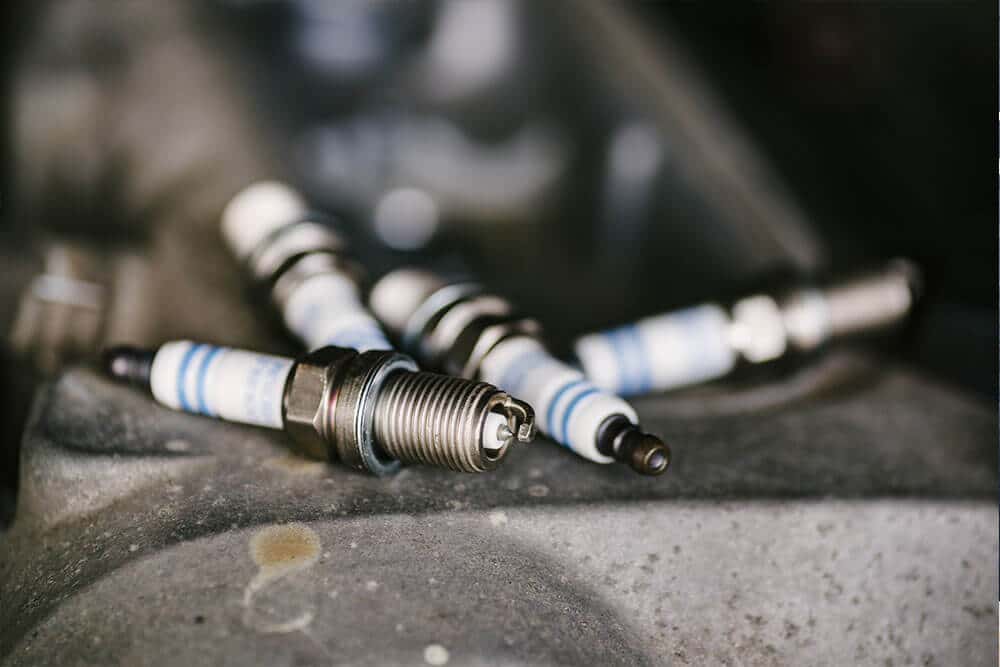
Spark plugs are small but critical components of your car's engine. They deliver the electrical spark that ignites the air-fuel mixture, powering your vehicle. Like any part, they wear out over time. Knowing when to replace them is essential for optimal engine performance, fuel efficiency, and preventing more serious problems.
Understanding Spark Plug Function and Wear
Before diving into the symptoms, let's briefly understand how spark plugs work and why they need replacing. Inside the combustion chamber, the spark plug's electrode creates a spark. This spark requires a specific voltage to jump the gap between the center and side electrodes. Over time, this gap widens due to erosion from constant electrical discharge and high temperatures. This increased gap requires a higher voltage to create a spark, straining the ignition system and potentially leading to misfires. Additionally, carbon deposits and oil fouling can accumulate on the spark plug, further hindering its performance.
Common Symptoms of Worn Spark Plugs
Several telltale signs indicate that your spark plugs may need replacing. Recognizing these symptoms early can save you money and prevent further engine damage.
- Engine Misfires: This is one of the most common and noticeable symptoms. A misfire occurs when one or more cylinders fail to ignite the air-fuel mixture properly. You might feel a slight jolt or hesitation during acceleration. In modern cars, the check engine light will often illuminate, and a diagnostic scan will reveal a misfire code (e.g., P0301 for a misfire in cylinder 1). For example, a Honda Civic experiencing intermittent misfires, particularly during cold starts, is a common indicator of worn plugs.
- Rough Idling: When spark plugs are worn, the engine may idle roughly, vibrating noticeably. The RPMs might fluctuate erratically at a standstill. This is because the engine struggles to maintain a stable combustion process. A Toyota Camry with worn spark plugs might exhibit a shaky idle at stoplights.
- Reduced Fuel Efficiency: Worn spark plugs lead to incomplete combustion, wasting fuel. You may notice that you're filling up your gas tank more frequently. If your fuel economy drops significantly without any other apparent reason, consider checking your spark plugs. A Ford F-150 experiencing a sudden decrease in MPG could be a sign of failing spark plugs, especially if it's coupled with other symptoms.
- Difficulty Starting: Worn spark plugs can make it difficult to start your car, especially in cold weather. The engine might crank for an extended period before finally starting, or it might fail to start altogether. This is because the weak spark struggles to ignite the fuel mixture effectively. A Chevrolet Silverado struggling to start on cold mornings might have spark plug issues.
- Lack of Acceleration: When accelerating, your car might feel sluggish or unresponsive. Worn spark plugs can hinder the engine's ability to generate power quickly. If you notice a significant decrease in acceleration, particularly when merging onto the highway, it could be a sign of worn spark plugs. Imagine a Nissan Altima struggling to accelerate smoothly past 50 mph.
- Check Engine Light: As mentioned before, misfires and other spark plug-related issues often trigger the check engine light. A diagnostic scan will reveal the specific error codes, helping you pinpoint the problem. Always get the codes read to understand the issue accurately.
Troubleshooting Spark Plug Problems
If you suspect your spark plugs are worn, a visual inspection can provide valuable clues. Remove the spark plugs (making sure the engine is cool!) and examine them closely.
- Worn Electrodes: Look for rounded or excessively worn electrodes. The center electrode should have a sharp edge, not a rounded or pitted surface.
- Carbon Fouling: A black, sooty deposit indicates excessive fuel or a rich air-fuel mixture. This can be caused by a faulty fuel injector, a clogged air filter, or other engine problems. The solution involves addressing the underlying cause of the rich mixture.
- Oil Fouling: A wet, oily deposit indicates that oil is leaking into the combustion chamber. This could be due to worn piston rings, valve seals, or other engine issues. This requires more significant engine repairs.
- Gap Size: Use a spark plug gap tool to measure the gap between the electrodes. Compare the measurement to the manufacturer's specifications. If the gap is too wide, the spark plugs are likely worn and need replacing.
- Cracked or Broken Insulator: Cracks or breaks in the ceramic insulator can cause misfires and other problems. Replace any spark plugs with damaged insulators.
Maintenance and Replacement
Refer to your car's owner's manual for the recommended spark plug replacement interval. This interval typically ranges from 30,000 to 100,000 miles, depending on the type of spark plug (copper, platinum, or iridium). It's generally a good idea to replace all the spark plugs at the same time to ensure consistent performance across all cylinders. Using the correct type of spark plug for your vehicle is crucial; refer to your owner's manual or a parts catalog for the correct specification. Also, using a torque wrench to tighten the spark plugs to the manufacturer's specified torque is important. Over-tightening can damage the threads in the cylinder head, while under-tightening can cause leaks.
Choosing the Right Spark Plugs
Spark plugs come in various types, including copper, platinum, and iridium. Copper spark plugs are the most affordable but have the shortest lifespan. Platinum and iridium spark plugs offer longer life and improved performance but come at a higher price. Always choose spark plugs that are recommended for your specific vehicle.
Keeping Your Car in Top Condition
Regular maintenance is key to keeping your car running smoothly and preventing spark plug problems. This includes:
- Following the manufacturer's recommended maintenance schedule.
- Using high-quality fuel and oil.
- Replacing the air filter regularly.
- Addressing any engine problems promptly.
- Getting regular tune-ups.
By being proactive and attentive to your car's needs, you can extend the life of your spark plugs and enjoy optimal engine performance for years to come.