
How To Plumb A Catch Can
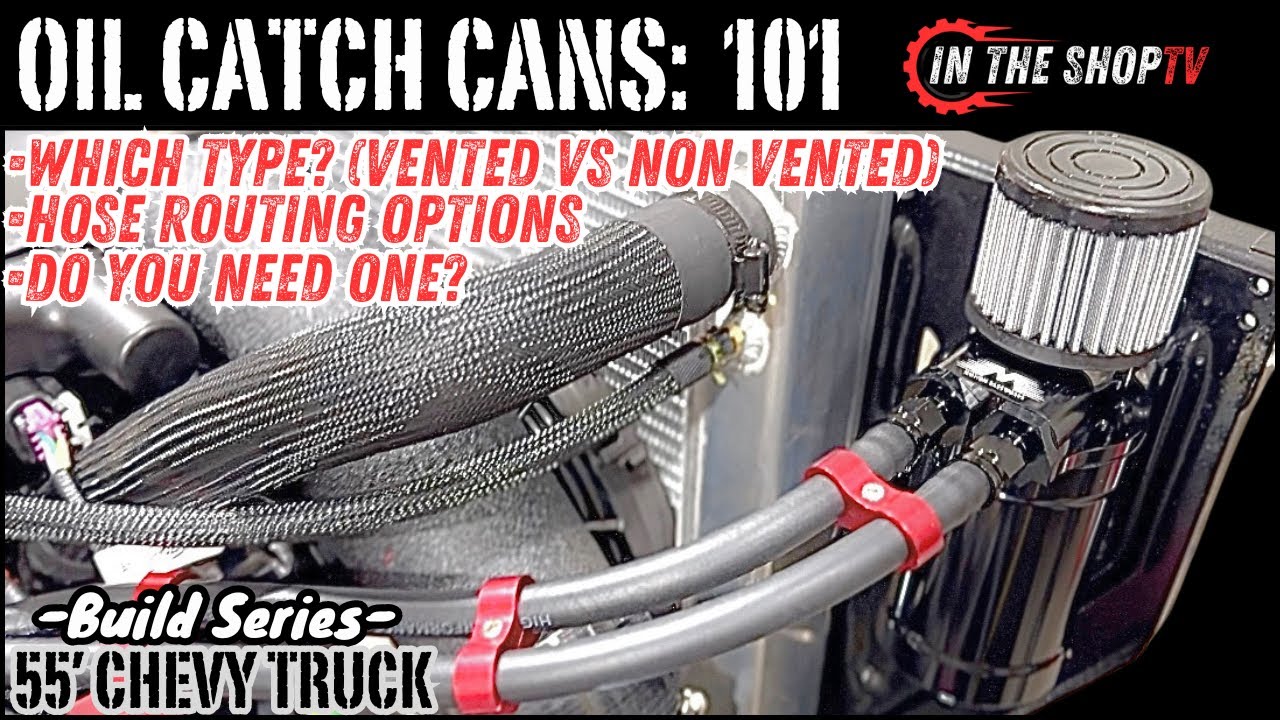
A catch can is a vital aftermarket component designed to improve engine longevity by preventing oil and contaminants from entering the intake manifold. It intercepts blow-by gases from the crankcase, separating oil and other unwanted substances before they can coat intake valves and reduce engine performance. This article will guide you through the process of plumbing a catch can, addressing common problems, and offering maintenance tips for both car owners and mechanics.
Understanding the Purpose of a Catch Can
Blow-by occurs when combustion gases leak past the piston rings and into the crankcase. These gases contain oil mist, fuel vapor, and other contaminants. The factory positive crankcase ventilation (PCV) system is designed to vent these gases back into the intake manifold to be re-burned, reducing emissions. However, this also introduces oil and other contaminants into the intake, leading to carbon buildup, reduced octane, and potential engine damage.
A catch can installs in-line with the PCV system, acting as a filter. It traps oil and contaminants, allowing only clean air to pass through to the intake manifold. This helps to keep the intake valves clean, maintain optimal engine performance, and extend engine life.
Plumbing a Catch Can: Step-by-Step Guide
Tools and Materials Needed
- Catch can kit (includes can, hoses, and mounting hardware)
- Appropriate sized wrenches and sockets
- Hose clamps
- Thread sealant (Teflon tape or liquid sealant)
- Hose cutter or sharp knife
- Screwdrivers (Phillips and flathead)
- Zip ties
- Gloves and safety glasses
Step 1: Identifying the PCV System
The first step is to locate the PCV valve and hose. The PCV valve is typically located on the valve cover or intake manifold. The hose connects the PCV valve to the intake manifold or air intake tube. Refer to your vehicle's service manual for specific location and identification. For example, on a Honda Civic, the PCV valve is usually located on the back of the engine near the intake manifold. On a Ford Mustang, it might be on the valve cover.
Step 2: Mounting the Catch Can
Choose a suitable location to mount the catch can. The location should be easily accessible for draining and should not interfere with other engine components. Ensure the can is mounted securely. Most catch can kits come with mounting brackets. Use these brackets to attach the can to a sturdy part of the engine bay. Avoid mounting the can directly to the engine block to minimize vibration. Consider using rubber isolators to further reduce vibration. For example, many install catch cans near the battery or on the strut tower. Make sure the can is oriented vertically for optimal oil separation.
Step 3: Connecting the Hoses
Disconnect the PCV hose from the PCV valve and the intake manifold. Measure and cut two lengths of hose from the catch can kit. One hose will connect the PCV valve to the inlet port of the catch can, and the other hose will connect the outlet port of the catch can to the intake manifold. Secure the hoses with hose clamps. Ensure the hoses are properly seated and tightened to prevent leaks. Use thread sealant on any threaded fittings to ensure a tight seal. Pay close attention to the hose routing. Avoid sharp bends or kinks in the hoses, as this can restrict airflow and reduce the effectiveness of the catch can. Use zip ties to secure the hoses and keep them away from hot engine components.
Step 4: Checking for Leaks
After connecting the hoses, start the engine and check for leaks around the hose connections. Listen for any hissing sounds, which could indicate a vacuum leak. Use a soapy water solution to check for leaks around the hose connections. If you find any leaks, tighten the hose clamps or re-seat the hoses. It's crucial to eliminate all leaks to maintain proper engine operation.
Step 5: Draining the Catch Can
Regularly drain the catch can to prevent it from overflowing. The frequency of draining will depend on your driving habits and engine condition. As a general rule, check the can every 3,000 miles or at each oil change. Some catch cans have a drain valve at the bottom for easy draining. Others may require you to remove the can to drain it. Dispose of the collected oil properly according to local regulations.
Troubleshooting Common Catch Can Issues
Symptom: Reduced Engine Performance
- Cause: Clogged catch can, restricted hoses, vacuum leaks.
- Solution: Inspect and clean the catch can. Check the hoses for kinks or blockages. Tighten hose clamps and check for vacuum leaks. Consider using a higher-quality catch can with a larger capacity.
Symptom: Oil Leaks
- Cause: Loose hose connections, damaged hoses, overflowing catch can.
- Solution: Tighten hose clamps. Replace damaged hoses. Ensure the catch can is not overfilled and is drained regularly. Check the drain plug or valve for leaks.
Symptom: Check Engine Light
- Cause: Vacuum leaks, incorrect hose routing, faulty PCV valve.
- Solution: Scan the engine for trouble codes. Check for vacuum leaks and correct any incorrect hose routing. Replace the PCV valve if it is faulty. Ensure the catch can installation does not interfere with the proper operation of the PCV system.
Symptom: Increased Oil Consumption
- Cause: While the catch can *prevents* future buildup, it won't *fix* an already worn engine. Pre-existing issues are being exacerbated.
- Solution: This symptom means you have other engine issues to address (e.g., worn piston rings or valve seals). A compression test and leak-down test can help diagnose the root cause. The catch can will still help, but engine repair is likely required.
Real-World Examples
Subaru WRX/STI: These engines are notorious for oil blow-by. A catch can is almost mandatory to prevent oil from coating the intake valves. Many owners experience significant carbon buildup without a catch can, leading to reduced performance and potential engine damage. Symptoms include rough idling and poor fuel economy. Installing a dual catch can setup (one for the PCV system and one for the crankcase vent) is common.
Volkswagen/Audi 2.0T TSI: Direct injection engines are particularly susceptible to carbon buildup because there's no fuel washing over the intake valves. Catch cans are highly recommended to mitigate this issue. Owners often report smoother idling and improved throttle response after installing a catch can. Symptoms of carbon buildup include misfires and loss of power.
BMW N54/N55: These turbocharged engines also benefit greatly from catch cans. High boost pressures increase blow-by, leading to excessive oil in the intake. A catch can helps prevent oil from accumulating in the intercooler and intake manifold. Symptoms include oil leaks and reduced intercooler efficiency.
Maintenance Tips for Your Catch Can
- Regular Draining: Drain the catch can regularly, depending on your driving habits. Check it every oil change as a minimum.
- Hose Inspection: Inspect the hoses for cracks, leaks, or kinks. Replace them as needed.
- Can Cleaning: Clean the catch can periodically to remove accumulated sludge and debris. Use a solvent or degreaser to clean the can thoroughly.
- Filter Replacement: Some catch cans have a replaceable filter element. Replace the filter according to the manufacturer's recommendations.
- Check Fittings: Ensure all fittings are tight and properly sealed. Use thread sealant to prevent leaks.
Advice for Car Owners and Mechanics
For Car Owners: Research the best catch can for your specific vehicle and driving style. Consider the capacity of the can and the quality of the filter. Install the catch can properly and maintain it regularly. Monitor your engine's performance and look for any signs of carbon buildup. A catch can is an investment in your engine's longevity. Don't cheap out on this crucial component.
For Mechanics: Offer catch can installation as a service to your customers. Explain the benefits of a catch can and how it can improve engine performance and longevity. Use high-quality catch can kits and follow the installation instructions carefully. Provide maintenance tips to your customers to ensure they properly maintain their catch cans. Educate your customers about the importance of preventing carbon buildup and the role of a catch can in achieving this.
In conclusion, plumbing a catch can is a relatively simple process that can have a significant impact on engine health and performance. By following these steps, addressing common issues, and performing regular maintenance, you can ensure that your catch can effectively protects your engine from harmful oil and contaminants. Remember to always prioritize safety and consult your vehicle's service manual for specific instructions. Maintaining your car in top condition involves proactive measures, and a catch can is a valuable addition to any performance or longevity-focused build.