
How To Prevent Rust From Spreading On Car
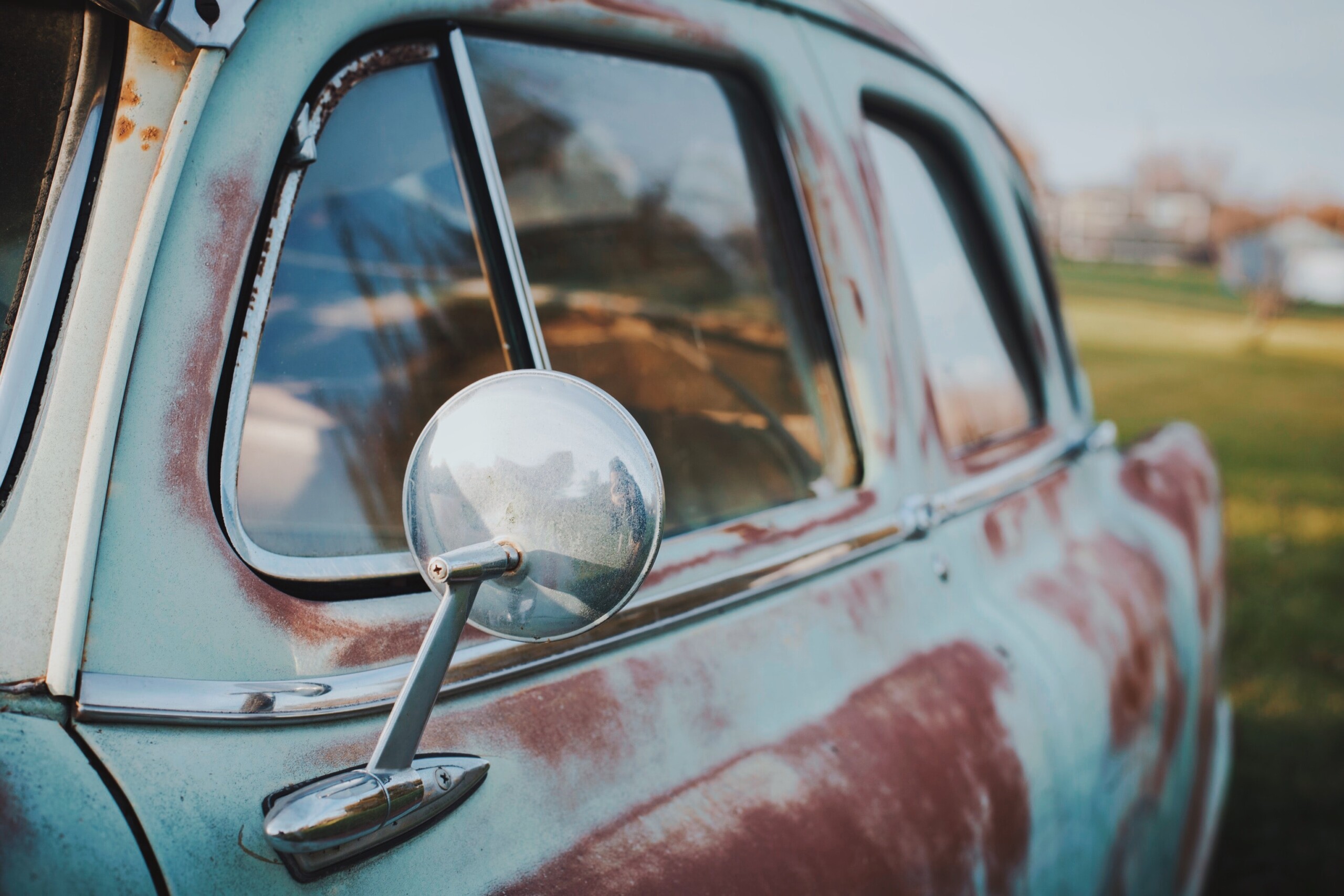
Rust. That dreaded four-letter word no car owner wants to hear. It's more than just an unsightly blemish; it's a cancer that eats away at your vehicle's structural integrity. But don't despair! While rust is a common problem, especially in areas with harsh winters or salty air, there are definitely steps you can take to prevent it from spreading and even reverse some of the damage.
Understanding Rust and Why It Spreads
First, let's understand what rust actually is. It's the result of a chemical reaction called oxidation, where iron (the main component of steel in most cars) reacts with oxygen and water. This forms iron oxide, the familiar reddish-brown substance we call rust. The presence of salt accelerates this process significantly. That's why cars in coastal areas or those driven on roads treated with de-icing salt are particularly susceptible.
The reason rust spreads so rapidly is due to its porous nature. Once it forms, it creates tiny pockets that trap moisture and contaminants, accelerating the oxidation process underneath the paint and eventually weakening the metal. This is why catching rust early is absolutely crucial.
Early Detection: Your First Line of Defense
The best way to prevent rust from spreading is to catch it early. Regularly inspect your vehicle, paying close attention to these common rust-prone areas:
- Wheel wells: These areas are constantly bombarded with road debris, salt, and water.
- Rocker panels: Located just below the doors, these panels are low to the ground and susceptible to splashes.
- Door bottoms and edges: Moisture tends to collect here, and minor dings and scratches can expose bare metal.
- Around windshield and window seals: Failing seals can allow water to seep in, leading to rust under the paint.
- Exhaust system: Subjected to extreme heat and moisture, the exhaust system is a prime target for rust.
- Undercarriage: The entire undercarriage is exposed to the elements, making it vulnerable.
During your inspection, look for these telltale signs:
- Bubbling paint: This is often the first sign of rust forming underneath.
- Surface rust: Small patches of reddish-brown discoloration.
- Flaking paint: Paint that's peeling or flaking away, revealing rust underneath.
- Perforations: In more advanced cases, you might see holes or areas where the metal is significantly weakened.
Practical Steps to Prevent Rust Spread
Okay, you've spotted some rust. What now? Here's a breakdown of steps you can take, depending on the severity of the issue:
Minor Surface Rust (Easy DIY Fix)
If you catch rust early, when it's just surface rust and hasn't penetrated deep into the metal, you can often tackle it yourself. Here's what you'll need:
- Safety glasses and gloves: Protect yourself from dust and chemicals.
- Sandpaper (various grits, from 80 to 320): For removing rust and smoothing the surface.
- Wire brush: For removing loose rust and debris.
- Rust converter: Chemically transforms rust into a stable, paintable surface.
- Primer: Provides a base for the paint and prevents future rust.
- Automotive touch-up paint (matching your car's color code): To restore the original finish.
- Clear coat (optional): Adds extra protection and shine.
- Clean rags: For cleaning and applying products.
Here's the process:
- Clean the area: Wash the area thoroughly with soap and water, then dry it completely.
- Remove the rust: Use the wire brush and sandpaper to remove all loose rust and flaking paint. Start with a coarse grit (80) and gradually work your way to a finer grit (320) to smooth the surface.
- Apply rust converter: Follow the manufacturer's instructions. This will neutralize any remaining rust and create a protective layer.
- Prime the area: Apply a thin, even coat of automotive primer. Let it dry completely.
- Paint the area: Apply several thin coats of touch-up paint, allowing each coat to dry before applying the next.
- Apply clear coat (optional): For added protection and shine.
Estimated Cost: $30 - $50 for materials.
Important Note: This method is only effective for minor surface rust. If the rust has penetrated deep into the metal, you'll need to consult a professional.
More Extensive Rust (Professional Repair Recommended)
If you're dealing with more extensive rust, such as bubbling paint, perforations, or rust in structural areas, it's strongly recommended to seek professional help. Attempting to repair this type of damage yourself without the proper tools and knowledge can lead to further problems and compromise your vehicle's safety.
A professional auto body shop will typically use one of the following methods to repair extensive rust damage:
- Rust removal and patching: They will cut out the rusted metal and weld in a new patch panel. This is a common method for repairing rust in rocker panels, fenders, and other non-structural areas.
- Panel replacement: If the rust damage is too extensive, the entire panel may need to be replaced.
- Structural repair: Rust in structural areas, such as the frame or suspension components, requires specialized welding and repair techniques.
Estimated Cost: This can vary widely depending on the extent of the damage and the type of repair required. Expect to pay anywhere from $500 to several thousand dollars for professional rust repair.
Preventative Measures: Long-Term Protection
Prevention is always better than cure. Here are some steps you can take to minimize your car's exposure to rust-causing elements:
- Wash your car regularly: Especially during the winter months when roads are treated with salt. Pay particular attention to the undercarriage.
- Wax your car: Wax provides a protective barrier against moisture and salt.
- Apply rustproofing: Consider having your car professionally rustproofed. This involves applying a protective coating to the undercarriage and other vulnerable areas. There are different types of rustproofing available, so research and choose one that suits your needs and budget.
- Address scratches and chips promptly: Even small scratches and chips can expose bare metal and lead to rust. Touch-up paint is your friend!
- Store your car properly: If you're storing your car for an extended period, keep it in a dry, well-ventilated area.
- Consider undercoating: Undercoating is a rubberized or asphalt-based coating applied to the undercarriage to provide an extra layer of protection against rust, corrosion, and road debris.
Regular Maintenance is Key:
Don't underestimate the power of regular maintenance. Addressing minor issues promptly can prevent them from escalating into major problems. By taking these preventative measures and addressing rust issues early, you can extend the life of your car and protect your investment.
Remember, I'm here to help. If you have any questions or concerns about rust on your vehicle, don't hesitate to bring it in for an inspection. We'll provide you with an honest assessment and recommend the best course of action to keep your car running smoothly and rust-free.