
How To Prevent Rust On Car From Spreading
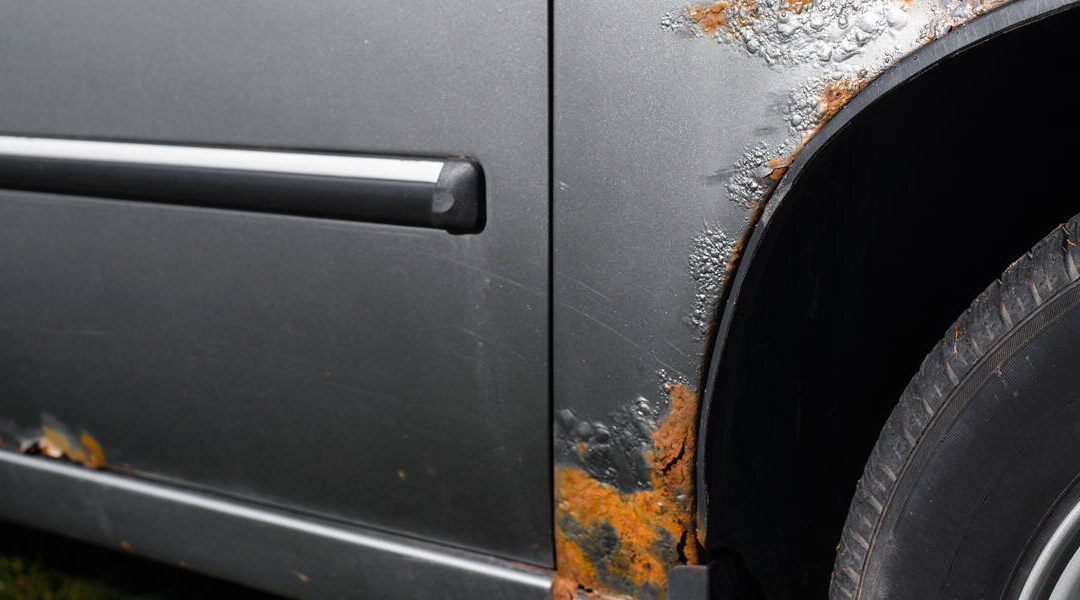
Rust, the bane of any car enthusiast's existence. It's a persistent problem that, if left unchecked, can significantly diminish your vehicle's value, structural integrity, and overall aesthetic appeal. While complete eradication might be a pipe dream for older vehicles, preventing rust from spreading is entirely achievable with the right knowledge and proactive measures. This article delves into the science behind rust, identifies common trouble spots, and outlines effective strategies to halt its insidious advance.
Understanding the Enemy: The Science of Rust
Rust, chemically known as iron oxide (Fe2O3), is the result of an electrochemical reaction. Iron, the primary component of steel car bodies, reacts with oxygen in the presence of moisture (water, humidity, road salt solutions). This process, known as oxidation, creates a flaky, reddish-brown layer that weakens the underlying metal. The key ingredients for rust formation are iron, oxygen, and an electrolyte, which accelerates the reaction. Road salt, particularly calcium chloride and sodium chloride used for de-icing, acts as a potent electrolyte, significantly speeding up the rusting process.
Identifying Common Rust Hotspots
Certain areas on a vehicle are inherently more susceptible to rust due to their design or exposure to the elements. Be particularly vigilant in these areas:
- Wheel wells and undercarriage: These areas are constantly bombarded with road debris, salt, and moisture. The complex geometries create pockets where these corrosive elements can linger.
- Rocker panels: Located below the doors, rocker panels are vulnerable to stone chips and salt spray. Their proximity to the road makes them prime candidates for rust.
- Door bottoms and seams: Water can accumulate inside doors, particularly at the seams, leading to internal rust that may not be immediately visible.
- Exhaust system: The constant heating and cooling cycles, combined with exposure to moisture and road salt, make exhaust systems particularly prone to rusting, although modern systems often use stainless steel or aluminized coatings.
- Areas around chips and scratches: Even minor paint damage exposes the underlying metal to the elements, providing an entry point for rust formation.
Prevention is Key: Proactive Measures Against Rust
The most effective approach to combating rust is prevention. Implement these strategies to minimize your vehicle's vulnerability:
- Regular washing and waxing: Frequent washing, especially during winter months in areas with road salt, is crucial. Use a car wash soap specifically designed to remove salt and grime. Waxing provides a protective barrier against moisture and other environmental contaminants.
- Undercoating: Consider applying a rust-inhibiting undercoating, particularly to vehicles frequently driven in harsh climates. Options include rubberized undercoatings, asphalt-based coatings, and oil-based sprays. Research the pros and cons of each before making a decision. Pay attention to proper application, as improperly applied undercoating can trap moisture and worsen the problem.
- Touch-up paint: Promptly repair any paint chips or scratches with touch-up paint. Clean the affected area thoroughly, apply a rust inhibitor primer, and then apply the touch-up paint according to the manufacturer's instructions.
- Drainage hole maintenance: Ensure that all drainage holes in doors, rocker panels, and other susceptible areas are clear of debris. Blocked drainage holes trap water and accelerate rust formation.
- Rustproofing sprays: Apply rustproofing sprays to vulnerable areas, particularly inside doors, rocker panels, and other enclosed spaces. These sprays typically contain penetrating oils or waxes that displace moisture and create a protective barrier. Fluid Film and Woolwax are popular choices.
- Garage storage: When possible, park your vehicle in a garage to protect it from the elements.
Stopping the Spread: Addressing Existing Rust
Even with the best preventative measures, rust may still appear. Here's how to address it and prevent it from spreading:
- Surface rust removal: For minor surface rust, use a wire brush or sandpaper to remove the rust. Clean the area thoroughly, apply a rust converter (which chemically neutralizes the rust), and then apply a primer and touch-up paint.
- Cutting and welding: For more severe rust, particularly if it has compromised the structural integrity of the metal, cutting out the rusted section and welding in a new patch panel may be necessary. This is a more involved process best left to a professional mechanic.
- Rust converters: These chemical treatments convert existing rust into a stable compound, preventing further oxidation. They are most effective on surface rust and should be followed by a primer and topcoat.
- Professional rust repair: For significant rust damage, consult a qualified auto body repair shop. They have the expertise and equipment to properly assess the damage, remove the rust, and repair the affected area.
Conclusion
Preventing rust from spreading on your car requires a proactive approach, combining preventative measures with timely intervention when rust does appear. By understanding the science of rust, identifying vulnerable areas, and implementing the strategies outlined in this article, you can significantly extend the lifespan of your vehicle and maintain its value. Regular inspection, maintenance, and prompt attention to even minor rust spots are key to keeping your car looking its best and preventing costly repairs down the road. Remember, a little prevention goes a long way in the fight against rust.