
How To Program Hyundai Key Fob Push Start
The process of programming a Hyundai key fob for a push-start system is a task that automotive professionals frequently encounter. While seemingly straightforward, understanding the underlying technology and potential pitfalls is crucial for efficient and accurate service. This article delves into the intricacies of Hyundai key fob programming, exploring the technical specifications, engineering choices, real-world performance, alternative methods, reliability aspects, maintenance tips, and future trends.
Technical Specifications and Engineering Choices
Modern Hyundai vehicles utilize a rolling code system for key fob communication, designed to prevent replay attacks and enhance security. This system involves a cryptographic algorithm, often Advanced Encryption Standard (AES), that generates a unique code for each transmission. The vehicle's immobilizer control module (IMMO) must recognize this code to authorize engine start. The key fob contains a microchip that stores a unique identification number and the cryptographic key. The IMMO stores the identification numbers of authorized key fobs.
The frequency band used for communication varies depending on the region. In North America, 315 MHz is common, while Europe typically uses 433.92 MHz. The transmission protocol can vary, but often involves a proprietary protocol built on top of a standard like FSK (Frequency-Shift Keying) or ASK (Amplitude-Shift Keying). The choice of modulation technique impacts range, power consumption, and resistance to interference. Hyundai engineers prioritize a balance between security, reliability, and user experience.
Programming Procedure
Programming a Hyundai key fob typically involves the use of a diagnostic scan tool. The procedure generally follows these steps:
- Connect the scan tool to the vehicle's OBD-II port.
- Navigate to the immobilizer or key programming function within the scan tool's software.
- Follow the on-screen instructions, which may involve entering a PIN code or security code. This code is typically provided by Hyundai based on the vehicle's VIN.
- The scan tool will then prompt you to add or erase key fobs.
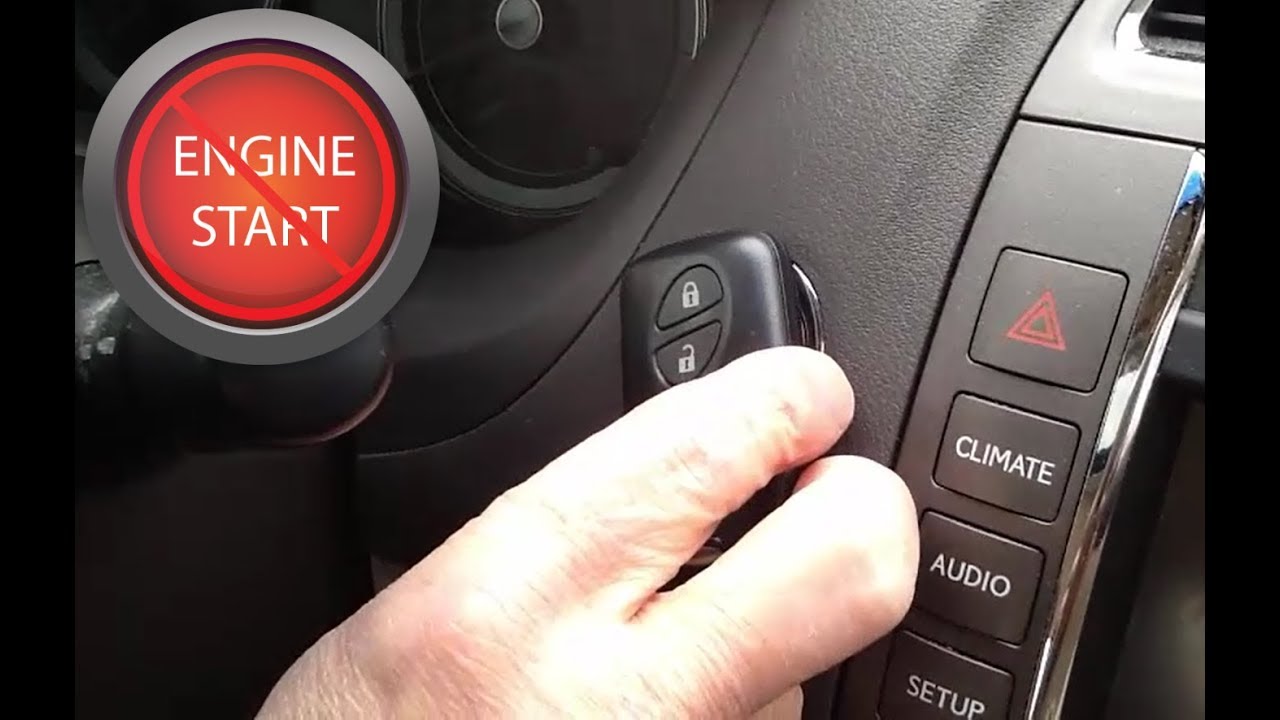
- Place the new key fob near the start/stop button (or according to the scan tool's instructions).
- The scan tool will attempt to communicate with and program the key fob.
- Repeat for any additional key fobs.
- Verify that the programmed key fobs can start the engine and operate remote functions.
Note: Improper programming can result in a non-functional key fob, a disabled immobilizer, or even damage to the vehicle's electronic control units (ECUs). Always follow the scan tool manufacturer's instructions carefully.
Real-World Performance and Alternatives
In practice, the programming process is usually reliable, but issues can arise. Common problems include incorrect PIN codes, faulty key fobs, low battery voltage in the key fob or vehicle, and communication errors between the scan tool and the vehicle. Some aftermarket scan tools may not have complete or accurate programming capabilities, leading to unsuccessful programming attempts.
Alternatives to using a diagnostic scan tool exist, but they are generally not recommended for professional use. Some locksmiths utilize specialized equipment to clone key fobs, but this approach can compromise security and may not be compatible with all Hyundai models. Furthermore, cloning bypasses the rolling code system, making the vehicle more vulnerable to theft. Dealerships are equipped with the necessary tools and access to Hyundai's proprietary software and databases, ensuring the most reliable and secure programming process.
Pros and Cons
Programming with a Diagnostic Scan Tool
Pros:
- Secure and reliable.
- Maintains the integrity of the rolling code system.
- Allows for erasing lost or stolen key fobs.
- Provides access to vehicle-specific diagnostic information.
Cons:
- Requires a compatible diagnostic scan tool and software.
- May require a PIN code or security code from Hyundai.
- Can be time-consuming if issues arise.
Key Fob Cloning
Pros:
- Potentially faster and cheaper than using a scan tool.
Cons:
- Compromises security.
- May not be compatible with all vehicles.
- Bypasses the rolling code system.
- Raises ethical and legal concerns regarding vehicle security.
Reliability Aspects and Maintenance Tips
Key fob reliability is crucial for customer satisfaction. Low battery voltage is a common cause of key fob malfunction. Replacing the battery regularly (typically every 1-2 years) is recommended. Avoid exposing the key fob to extreme temperatures or moisture. Dropping the key fob can damage the internal components. Regularly inspect the key fob for physical damage.
The IMMO system itself is generally reliable, but issues can occur due to electrical problems or software glitches. Keeping the vehicle's battery in good condition is essential for proper IMMO operation. Regular diagnostic scans can help identify potential issues before they become critical. If experiencing persistent key fob or IMMO problems, consult a qualified Hyundai technician.
Future Trends
The automotive industry is moving towards more sophisticated keyless entry and start systems. Technologies like Bluetooth Low Energy (BLE) and Near-Field Communication (NFC) are being integrated into key fobs and smartphones, allowing for more convenient and secure vehicle access. Over-the-air (OTA) updates will become more common, allowing manufacturers to remotely update key fob software and security protocols.
Biometric authentication, such as fingerprint scanning or facial recognition, is also being explored as a way to enhance vehicle security. The future keyless entry systems will likely be more integrated with cloud-based services, enabling features like remote vehicle monitoring, geofencing, and personalized driver profiles.
As vehicle technology evolves, automotive professionals must stay informed about the latest advancements in keyless entry and security systems. Continuous training and access to up-to-date diagnostic tools and software are essential for providing reliable and efficient service.
The automotive industry is rapidly evolving, and understanding the intricacies of modern key fob programming is crucial for automotive professionals. By staying informed about the latest technologies and best practices, professionals can provide reliable and secure services to their customers.