
How To Put A Hitch On A Truck
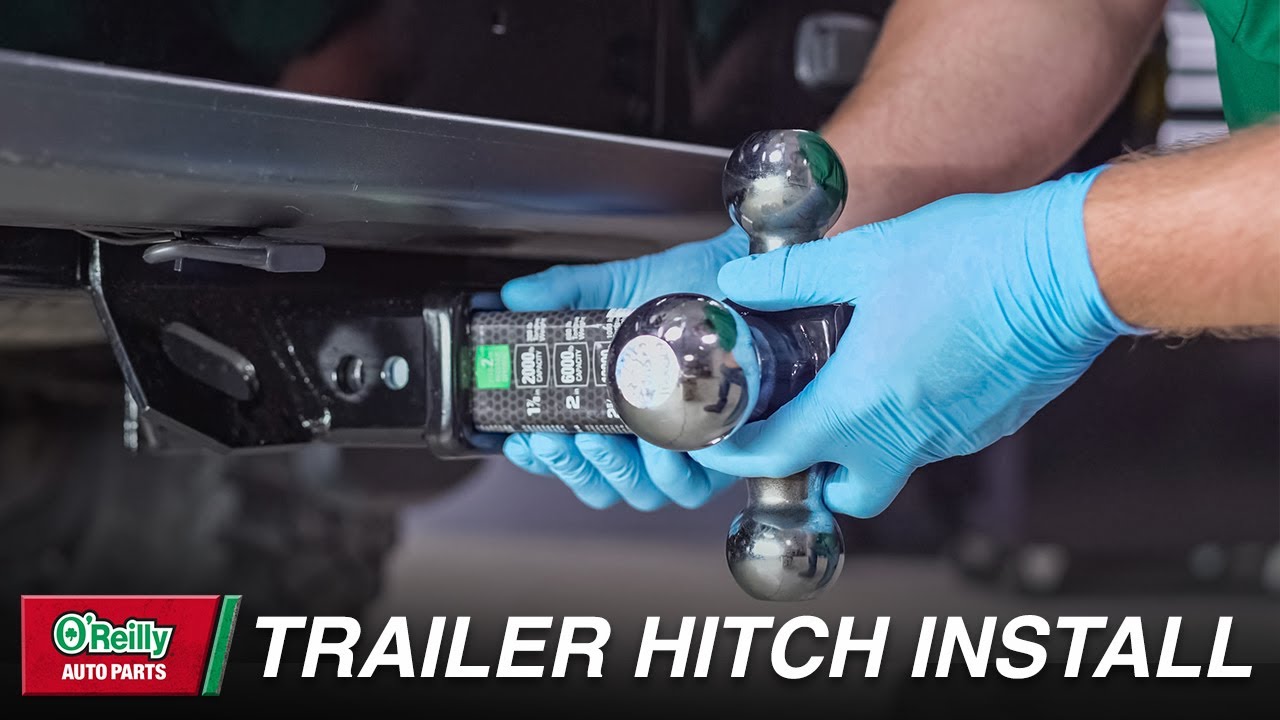
Adding a trailer hitch to a truck significantly expands its utility, transforming it from a basic hauler to a versatile towing machine. However, the process isn't simply bolting on a piece of metal. It involves understanding technical specifications, engineering considerations, and the impact on the truck's overall performance and longevity. This article provides an in-depth look at installing a truck hitch, targeting automotive professionals and enthusiasts seeking comprehensive knowledge.
Hitch Classes and Selection Criteria
The first step is understanding hitch classes. The SAE J684 standard defines hitch classes based on their weight carrying (WC) and weight distributing (WD) capacities. These classes range from Class I (light-duty) to Class V (heavy-duty). Selecting the correct class is paramount for safety and optimal performance. Exceeding the hitch's rated capacity can lead to catastrophic failure, damage to the truck, and severe accidents. Always consult the truck manufacturer's specifications and the hitch manufacturer's guidelines. Consider the Gross Vehicle Weight Rating (GVWR), Gross Combined Weight Rating (GCWR), and the intended towing application. For example, towing a small utility trailer might require a Class II or III hitch, while a large boat or travel trailer necessitates a Class IV or V.
Beyond class, consider the hitch style. Common types include:
- Receiver Hitches: The most common type, featuring a square receiver tube that accepts various ball mounts and accessories. They offer versatility and ease of use.
- Bumper Hitches: Typically found on older trucks or used for light-duty applications. They have lower weight ratings and are generally less desirable due to reduced safety margins.
- Fifth-Wheel Hitches: Designed for heavy-duty towing, primarily for gooseneck trailers and large RVs. They mount in the truck bed and require significant modification.
- Gooseneck Hitches: Similar to fifth-wheel hitches, but use a ball-and-coupler system. They also require in-bed mounting.
For most applications involving trucks, a receiver hitch is the preferred choice. Within receiver hitches, options include:
- Frame-mounted hitches: These are the most robust and are bolted directly to the truck's frame.
- Hidden hitches: These are designed to be less visible when not in use. They typically have a lower weight capacity than frame-mounted hitches.
Installation Process: A Step-by-Step Guide
While professional installation is recommended, a mechanically inclined individual can install a hitch with the proper tools and knowledge. The following steps outline the general process:
- Preparation: Gather necessary tools including sockets, wrenches, a torque wrench, safety glasses, gloves, and potentially a drill with appropriate drill bits. Consult the hitch manufacturer's instructions for specific tool requirements. Ensure the truck is parked on a level surface, the parking brake is engaged, and the wheels are chocked.
- Inspection: Inspect the truck's frame for rust, damage, or pre-existing conditions that could compromise the hitch's mounting. Address any issues before proceeding.
- Mounting the Hitch: Align the hitch with the pre-drilled holes in the truck's frame (or the designated mounting locations). Some hitches may require drilling new holes, which demands precision and careful measurement. Use the provided hardware to secure the hitch to the frame.
- Torquing Bolts: Crucially, tighten all bolts to the manufacturer's specified torque values using a calibrated torque wrench. Under-torquing can lead to loose connections and potential failure, while over-torquing can damage the bolts or frame. Double-check all torque values before moving on.
- Wiring: Install the necessary wiring harness for trailer lights. This often involves tapping into the truck's existing wiring system. Use appropriate connectors and follow the wiring diagram provided with the harness. Consider using a plug-and-play harness for simpler installation. Verify all lights are functioning correctly (running lights, brake lights, turn signals).
- Finishing Touches: Inspect the installation for any loose connections or potential problems. Apply rust-preventative coating to any exposed metal surfaces. Test the trailer lights with a trailer connected.
Engineering Choices and Technical Specifications
Hitch design involves careful consideration of material selection, weld quality, and stress distribution. High-strength steel is the typical material, chosen for its ability to withstand significant tensile and shear forces. Welding must be performed by certified welders to ensure proper penetration and strength. Finite element analysis (FEA) is often used to optimize the hitch's design and identify potential stress concentration points. The thickness and shape of the steel are carefully calculated to provide the necessary strength while minimizing weight.
Technical specifications beyond hitch class include:
- Tongue Weight Capacity (TW): The maximum vertical force that the hitch can withstand at the ball mount. Typically 10-15% of the trailer's gross weight.
- Gross Trailer Weight (GTW): The maximum allowable weight of the trailer and its cargo.
- Receiver Tube Size: Standard sizes are 1 1/4", 2", and 2 1/2". Larger receiver tubes generally indicate higher weight capacities.
Alternatives to Traditional Hitches
While standard receiver hitches are the most common, alternative towing solutions exist, each with its own set of pros and cons:
- Weight Distribution Systems: These systems distribute the trailer's weight more evenly across the truck's axles, improving handling and stability, especially when towing heavy loads. They reduce rear-end sag and improve steering control. However, they add complexity and cost to the towing setup.
- Airbag Suspension: While not a direct alternative to a hitch, adding airbags to the truck's rear suspension can help level the vehicle when towing, improving ride quality and handling. They do not increase the hitch's weight capacity.
- Towing Packages: Some trucks come with factory-installed towing packages that include a hitch, wiring harness, transmission cooler, and upgraded suspension. These packages offer a convenient and integrated towing solution, but they may not be suitable for all towing needs.
Pros and Cons of common receiver hitches:
Pros:
-Versatile and adaptable.
-Easy to install.
-Wide range of accessories available.
-Relatively inexpensive.Cons:
-Can reduce ground clearance.
-May require drilling for installation on some vehicles.
-Visible when not in use (unless a hidden hitch is chosen).
Reliability Aspects and Maintenance Tips
A properly installed and maintained hitch can provide years of reliable service. Regular inspections are crucial to identify potential problems before they escalate. Check for rust, cracks, loose bolts, and damaged wiring. Clean the hitch periodically to remove dirt and debris. Apply a rust-preventative coating to protect exposed metal surfaces. Re-torque the mounting bolts after the first few tows to ensure they remain properly tightened. Regularly inspect the wiring harness for damage and replace any worn or frayed wires.
Avoid exceeding the hitch's rated weight capacity. Overloading the hitch can lead to premature failure and potentially dangerous situations. When towing, drive cautiously and avoid sudden acceleration or braking. Maintain a safe following distance and be aware of the trailer's movements.
Future Trends in Truck Hitches
The automotive industry is constantly evolving, and truck hitches are no exception. Future trends include:
- Smart Hitches: Hitches equipped with sensors that monitor towing parameters such as weight, speed, and braking force. These systems can provide real-time feedback to the driver and potentially adjust the truck's settings to optimize towing performance.
- Electric Vehicle (EV) Hitches: Designing hitches specifically for EVs presents unique challenges due to the different weight distribution and torque characteristics of electric powertrains. These hitches will need to be lightweight and aerodynamic to minimize the impact on range.
- Advanced Materials: The use of lightweight, high-strength materials such as aluminum and composites to reduce the hitch's weight without compromising its strength.
- Integrated Towing Systems: Truck manufacturers are increasingly offering integrated towing systems that seamlessly integrate the hitch, wiring harness, and vehicle's electronic systems. These systems offer a more convenient and user-friendly towing experience.
Conclusion
Installing a truck hitch is a significant undertaking that requires careful planning, attention to detail, and a thorough understanding of technical specifications and engineering principles. By selecting the appropriate hitch class, following proper installation procedures, and performing regular maintenance, automotive professionals can ensure safe and reliable towing performance. As the automotive industry continues to evolve, truck hitches will become more sophisticated and integrated, offering improved safety, convenience, and efficiency. Embracing these advancements is crucial for staying ahead in this dynamic field and providing customers with the best possible towing solutions.