
How To Recharge A Refrigerator With R134a
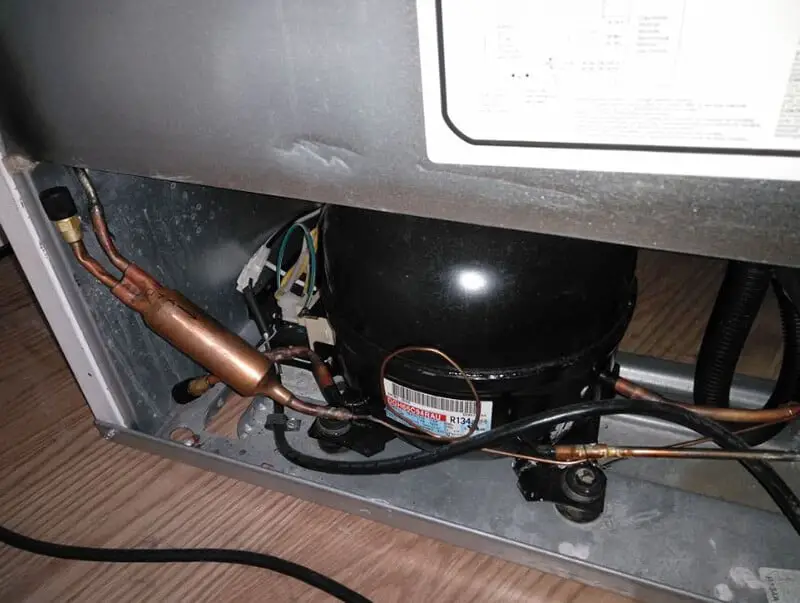
Refrigerators, the unsung heroes of our kitchens, rely on a precise dance of thermodynamics to keep our food chilled. At the heart of this ballet is the refrigerant, a substance that cycles between liquid and gas, absorbing heat from the inside of the fridge and releasing it to the outside. When a refrigerator loses its cooling power, a common culprit is a refrigerant leak. While professional repair is always the recommended path, understanding the process of recharging a refrigerator with R134a (a common refrigerant) can be a fascinating peek behind the curtain of appliance engineering. This article aims to provide an in-depth, analytical look at the procedure, focusing on the principles involved and the potential pitfalls. Safety is paramount, and working with refrigerants requires specialized knowledge and equipment. This guide is for informational purposes only and should not be taken as an endorsement of self-repair without proper training and certification.
Understanding the Refrigeration Cycle and R134a
Before diving into the recharge process, it's crucial to grasp the basic principles of the refrigeration cycle. This cycle consists of four main components: the compressor, the condenser, the expansion valve (or capillary tube), and the evaporator.
- Compression: The compressor, driven by an electric motor, increases the pressure and temperature of the refrigerant vapor. This high-pressure, high-temperature vapor then flows to the condenser.
- Condensation: In the condenser, the refrigerant vapor releases heat to the surrounding air and condenses into a high-pressure liquid. The condenser is typically located at the back of the refrigerator and often has coils or fins to maximize heat transfer.
- Expansion: The high-pressure liquid refrigerant then passes through an expansion valve (or a capillary tube, a long, narrow tube acting as a restriction). This expansion causes a sudden drop in pressure, resulting in a significant decrease in temperature.
- Evaporation: The low-pressure, low-temperature refrigerant enters the evaporator, located inside the refrigerator compartment. Here, it absorbs heat from the air inside the fridge, causing it to evaporate into a low-pressure vapor. This heat absorption cools the interior of the refrigerator. The low-pressure vapor then returns to the compressor, and the cycle repeats.
R134a is a hydrofluorocarbon (HFC) refrigerant that was widely adopted as a replacement for ozone-depleting refrigerants like R-12. It possesses favorable thermodynamic properties for refrigeration applications, including a good latent heat of vaporization and a reasonable operating pressure. However, R134a is a potent greenhouse gas, and its use is increasingly being regulated as newer, more environmentally friendly refrigerants are developed. Proper handling and disposal are critical.
Identifying a Refrigerant Leak
The most common symptom of a refrigerant leak is a refrigerator that is not cooling effectively. Other telltale signs include:
- Reduced Cooling Performance: The refrigerator may not reach its set temperature, and food may spoil prematurely.
- Compressor Running Constantly: The compressor may run continuously in an attempt to maintain the desired temperature, leading to increased energy consumption and premature wear.
- Frost Buildup: Excessive frost buildup on the evaporator coils can indicate a refrigerant leak, as the reduced refrigerant flow can disrupt the defrost cycle.
- Visible Oil Residue: Refrigerant leaks often carry traces of compressor oil, which can appear as oily residue around refrigerant lines and connections.
Pinpointing the exact location of a refrigerant leak can be challenging. Specialized tools like electronic leak detectors and UV leak detection dyes are often used by professionals. Electronic leak detectors sense the presence of refrigerant in the air, while UV dyes are added to the refrigerant and can be seen with a UV light if a leak is present. Without these tools, accurately locating the leak is difficult.
The R134a Recharge Process (Simplified Overview)
Warning: This is a simplified overview. Recharging a refrigerator with refrigerant requires specialized knowledge, equipment, and adherence to strict safety procedures. Improper handling of refrigerants can be dangerous and illegal. Always consult a qualified technician.
The recharge process generally involves the following steps:
- Evacuation: First, the system must be thoroughly evacuated to remove any remaining refrigerant, air, and moisture. This is accomplished using a vacuum pump, which creates a deep vacuum within the refrigerant lines and components. This is crucial because the presence of air or moisture can significantly reduce the efficiency of the refrigeration system and potentially damage the compressor. The vacuum is typically held for a period of time (e.g., 30 minutes to an hour) to ensure that all contaminants have been removed and to check for leaks. If the vacuum cannot be held, it indicates a leak that must be repaired before proceeding.
- Leak Repair: Any identified leaks must be repaired before recharging the system. This may involve brazing (welding) leaking connections or replacing damaged refrigerant lines. Proper brazing techniques are essential to create a leak-free seal.
- Charging: After evacuation and leak repair, the system is ready to be charged with R134a. This is done using a refrigerant manifold gauge set, which allows the technician to monitor the pressure in the system during the charging process. The refrigerant is typically added as a liquid, but the exact charging procedure will depend on the refrigerator model and manufacturer's specifications. The correct amount of refrigerant is critical; overcharging or undercharging can both negatively impact performance and potentially damage the compressor. Many modern refrigerators have a sticker with the amount of R134a in grams that the appliance needs.
- Monitoring: After charging, the refrigerator's performance must be monitored to ensure that it is cooling properly. This involves checking the compressor's operating pressure and temperature, as well as the temperature inside the refrigerator compartment.
Equipment Required
Recharging a refrigerator with R134a requires a significant investment in specialized equipment:
- Refrigerant Manifold Gauge Set: Used to monitor the pressure in the system during evacuation and charging.
- Vacuum Pump: Used to evacuate the system and remove air and moisture.
- Refrigerant Recovery Machine: Used to recover any remaining refrigerant from the system before repairs are made (essential for environmental compliance).
- Refrigerant Scale: Used to accurately measure the amount of refrigerant being added.
- R134a Refrigerant: The refrigerant itself, in a sealed container.
- Leak Detector: To find and identify the source of any leaks.
- Brazing Equipment (if needed): Includes a torch, brazing rods, and flux for repairing leaks.
- Safety Glasses and Gloves: Essential personal protective equipment when working with refrigerants.
Potential Pitfalls and Safety Considerations
Recharging a refrigerator with R134a is not without its risks. Some potential pitfalls include:
- Improper Evacuation: Failure to thoroughly evacuate the system can lead to reduced cooling performance and compressor damage.
- Overcharging or Undercharging: Adding too much or too little refrigerant can negatively impact performance and potentially damage the compressor.
- Leak Detection Difficulties: Finding the exact location of a refrigerant leak can be challenging, and patching the leak incorrectly can lead to a larger problem.
- Contamination: Introducing contaminants into the system, such as moisture or incompatible oils, can damage the compressor and other components.
Safety is paramount when working with refrigerants. R134a is a compressed gas that can cause frostbite if it comes into contact with skin or eyes. It is also flammable under certain conditions. Proper ventilation is essential when working with refrigerants, and safety glasses and gloves should always be worn. Improper handling of refrigerants can also violate environmental regulations and lead to fines.
In conclusion, while understanding the process of recharging a refrigerator with R134a can be intellectually stimulating, it's a task best left to qualified technicians with the proper training, equipment, and experience. The risks involved are significant, and improper handling can lead to equipment damage, personal injury, and environmental harm.
This guide serves as an educational overview and should not be interpreted as encouragement to attempt self-repair without appropriate certification and expertise.Always prioritize safety and consult a professional for any refrigerator repair needs.