
How To Release Emergency Brake When Stuck
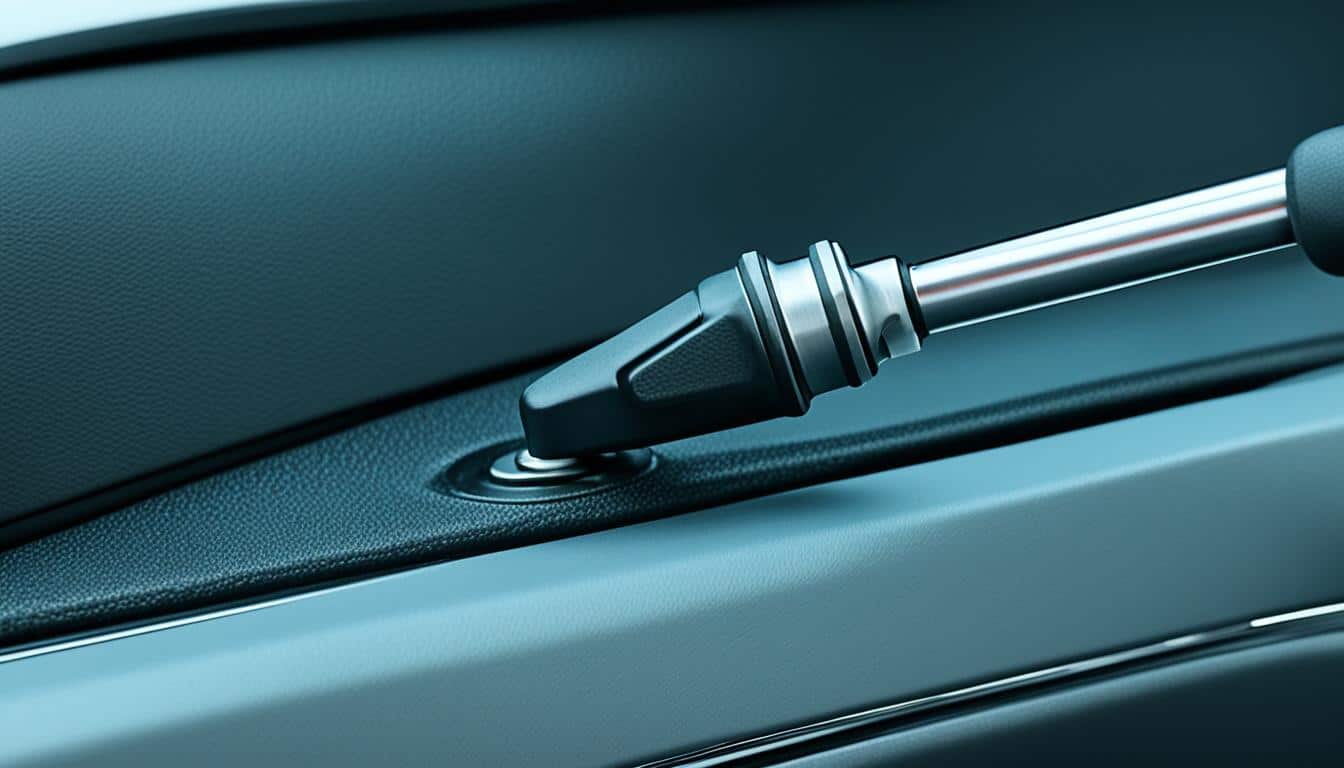
Ah, the dreaded stuck emergency brake. We've all been there, staring at the dash, feeling that sinking feeling as you realize your meticulously planned Sunday drive is about to become an impromptu wrenching session. But fear not, fellow gearheads! This isn't necessarily a death sentence for your weekend. Understanding why it's stuck and how to unstick it depends heavily on your chariot of choice. Let's dive in, separating the cable-actuated classics from the electronically engaged modernity.
Cable-Actuated Emergency Brakes: The Old School Standby
The most common type, especially in older vehicles (think pre-2010), is the good ol' cable-actuated emergency brake. These systems use a hand lever, foot pedal, or center console pull to physically tighten cables connected to the rear brakes, applying pressure and preventing movement. While robust in their simplicity, they're also susceptible to rust, corrosion, and stretching cables.
Common Culprits:
- Rust and Corrosion: This is the big one, especially in salty climates. Corrosion can seize the cables within their sheaths or the actuating mechanism at the wheels.
- Stretched Cables: Over time, cables can stretch, reducing the effectiveness of the brake and potentially causing it to bind.
- Frozen Brake Pads: If the brake was engaged in wet or freezing conditions, the pads can literally freeze to the rotors.
- Physical Obstruction: Debris or a bent cable can obstruct the mechanism.
Release Techniques:
- The Gentle Rock: Try rocking the car gently forward and backward. This can sometimes break the stiction between the pads and rotors.
- Cable Inspection: Visually inspect the cable routing for any obvious kinks, bends, or obstructions.
- The Hammer Tap: (Use with caution!) Lightly tap the brake calipers with a rubber mallet. Never use a metal hammer directly on the caliper. This might dislodge frozen pads.
- Cable Lubrication: If possible, apply penetrating oil (like WD-40 or PB Blaster) to the cable entry points and linkages. Let it soak for a while.
- Manual Adjustment: Many cable-actuated systems have an adjustment mechanism, often near the hand lever or foot pedal. Consult your owner's manual for the location and procedure. Loosening this adjustment can sometimes free the brake.
Driving Impressions (and Lack Thereof):
Let's be honest, if your cable-actuated emergency brake is stuck, you're not driving anywhere! Trying to force it will likely damage the brakes and potentially the drivetrain. However, once freed, pay attention to the "feel" of the brake. Does it engage too high or too low? Does it feel weak? These are signs of a potential need for adjustment or cable replacement.
Spec Table: Cable-Actuated Emergency Brakes
| Feature | Description |
|---|---|
| Actuation Method | Mechanical cables linked to a hand lever, foot pedal, or pull handle. |
| Complexity | Relatively simple; fewer electronic components. |
| Maintenance | Requires periodic inspection, lubrication, and cable adjustment. |
| Reliability | Generally reliable, but susceptible to rust, corrosion, and cable stretching. |
| Vehicles | Predominantly found in older vehicles (pre-2010) and some modern trucks/SUVs. |
Pros & Cons:
- Pros: Simple, relatively inexpensive to repair, provides a direct mechanical connection.
- Cons: Susceptible to rust and corrosion, requires regular maintenance, can be difficult to adjust properly.
Electronic Parking Brakes (EPB): The Modern Marvel (and Sometimes Mystery)
Enter the era of electronic parking brakes (EPB). These systems use an electronic switch to activate motors that clamp the rear brakes. While convenient and often integrated with features like hill-hold assist, they introduce a layer of complexity that can be baffling when things go wrong. Found on many post-2010 vehicles, EPBs offer smoother operation and often automatically engage when the vehicle is parked on an incline. However, a dead battery or a faulty sensor can leave you stranded.
Common Culprits:
- Low Battery: A weak battery is a common cause of EPB malfunction. The system may not have enough power to release the brakes.
- Faulty Sensors: Wheel speed sensors, brake pad wear sensors, or other sensors can trigger the EPB to remain engaged.
- Motor Failure: The motors that actuate the brakes can fail, leaving the system stuck.
- Software Glitches: Electronic systems are susceptible to software glitches, which can cause the EPB to malfunction.
Release Techniques:
- Battery Boost/Replacement: Try jump-starting the car or replacing the battery if it's weak.
- EPB Reset Procedure: Consult your owner's manual for the specific EPB reset procedure for your vehicle. This often involves a sequence of button presses and key turns.
- OBD-II Scanner: An OBD-II scanner can read fault codes and potentially reset the EPB system. Some scanners have EPB-specific functions.
- Manual Release (if equipped): Some EPB systems have a manual release mechanism, often hidden under the rear seat or in the trunk. Consult your owner's manual for the location and procedure. This is not a universal feature.
- Professional Diagnosis: If all else fails, take the vehicle to a qualified mechanic. EPB systems often require specialized diagnostic tools and expertise.
Driving Impressions (Potentially Catastrophic):
Attempting to drive with a stuck EPB is highly discouraged. The electronic nature of the system can make it difficult to diagnose the problem without specialized equipment. Forcing the issue can cause significant damage to the brake system and potentially other components. Don't do it!
Spec Table: Electronic Parking Brakes
| Feature | Description |
|---|---|
| Actuation Method | Electric motors connected to the rear brakes, controlled by an electronic switch. |
| Complexity | More complex than cable-actuated systems; relies heavily on electronic components and software. |
| Maintenance | Requires less physical maintenance, but potential issues with sensors, motors, and software. |
| Reliability | Generally reliable, but susceptible to electrical issues, sensor failures, and software glitches. |
| Vehicles | Commonly found in modern vehicles (post-2010), especially luxury and performance models. |
Pros & Cons:
- Pros: Convenient, smoother operation, often integrated with other features like hill-hold assist, can be automatically engaged.
- Cons: More complex, requires specialized diagnostic tools for repair, susceptible to electrical issues, can be more expensive to repair.
A Note on Engine Type and Drivetrain:
While the fundamental operation of the emergency brake doesn't change drastically based on engine type (gasoline, diesel, electric), certain configurations can present unique challenges. For instance, the regenerative braking systems in electric vehicles and some hybrids are often integrated with the EPB. A malfunction in the regenerative braking system can sometimes affect the EPB's operation. Similarly, all-wheel-drive systems may require a slightly different procedure for releasing a stuck emergency brake, especially if the system uses electronic limited-slip differentials.
Final Thoughts:
Releasing a stuck emergency brake can range from a simple lubrication job to a full-blown diagnostic session. Knowing your vehicle's system is key. Always consult your owner's manual and proceed with caution. Remember, safety first!
Now for the fun part: What's the most ridiculous reason your emergency brake has ever gotten stuck? Did a squirrel build a nest in the mechanism? Did your toddler try to use the handbrake as a toy? Let's hear your stories in the comments!