
How To Remove A Bolt With A Stripped Head
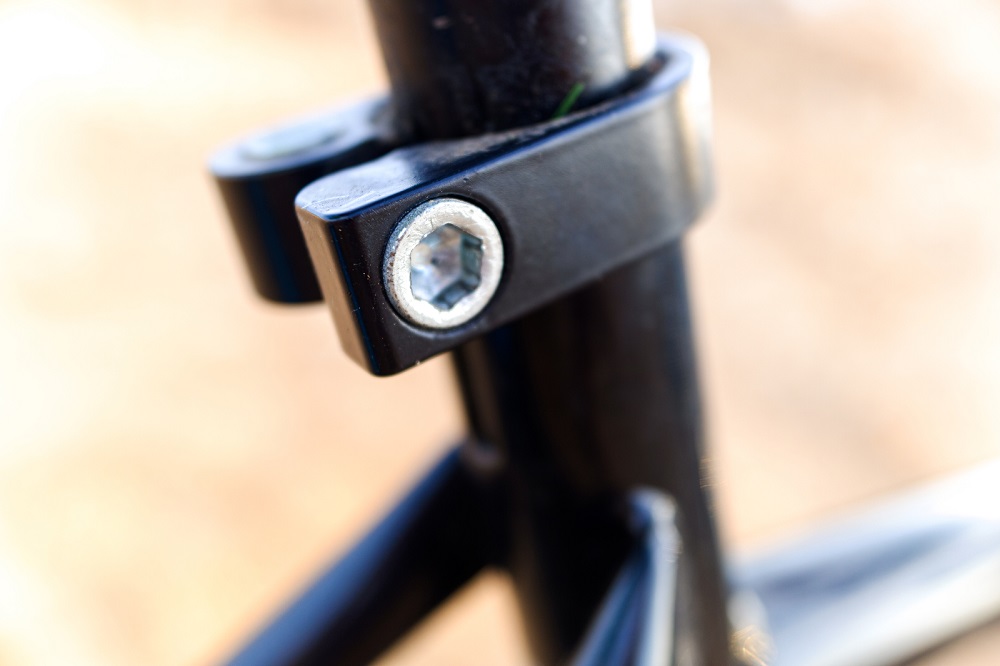
Alright, you've got a stripped bolt head. We've all been there. It's frustrating, but don't panic. Before you start contemplating cutting the entire assembly apart, let's walk through some tried-and-true methods to get that stubborn fastener out. Remember, patience and the right tools are key. We'll cover everything from basic tricks to more aggressive techniques.
Understanding the Problem
First, let's quickly diagnose what happened. A stripped bolt head usually means the driving surfaces – the flats of the hex or Torx head – have been rounded or damaged, preventing your wrench or socket from gaining a good grip. This typically happens from using the wrong size tool, applying too much force at an angle, or simply from corrosion weakening the metal. Sometimes, even a high-quality impact wrench can round off a head if the bolt is severely seized.
Identifying the severity of the stripping is crucial. Is it just slightly rounded, or is it completely smooth? This will determine which method is most likely to succeed. A slightly rounded bolt might respond to a simple trick, while a completely mangled head will require more forceful intervention.
Easy Fixes: When Luck is on Your Side
1. The Rubber Band/Steel Wool Trick
This is a long shot, but worth a try before moving on to more involved methods. The idea is to increase friction between the tool and the bolt head.
- Rubber Band: Fold a thick rubber band (like one from broccoli) over the bolt head, filling the gap between the stripped head and your socket. Press the socket firmly onto the rubber band and try to unscrew the bolt.
- Steel Wool: Similarly, pack some fine steel wool into the void. This can provide a surprising amount of grip.
Why it (Sometimes) Works: The rubber band or steel wool essentially acts as a temporary shim, filling the gaps and allowing the socket to "bite" into something other than the stripped metal. Don't expect miracles, but it's quick and easy.
2. Using a Tighter-Fitting Socket or Wrench
Sometimes, the problem isn't that the bolt is completely stripped, but rather that your socket or wrench is slightly worn or too loose. Try the following:
- Metric vs. SAE: Make absolutely sure you're using the correct measurement system. Mixing metric and SAE tools on a fastener is a recipe for stripping.
- Six-Point Socket: Always prefer a six-point (hex) socket over a twelve-point (bi-hex) socket. Six-point sockets grip the flats of the bolt head, while twelve-point sockets grip the corners, which are more prone to rounding.
- Impact Socket: An impact socket, while designed for impact wrenches, often has slightly tighter tolerances than a standard socket, providing a better grip.
- Slightly Smaller Size: In some cases, a slightly smaller socket (metric or SAE, depending on the bolt) can wedge itself onto the stripped head and provide enough grip to turn it. Use caution here! Forcing a smaller socket can damage the bolt head further if the fit isn't right.
Important Note: When using a tighter-fitting socket, apply firm, even pressure and try to break the bolt loose slowly. Avoid jerking or sudden movements, as this can cause the socket to slip and make the problem worse.
More Aggressive Techniques
1. Bolt Extractor Sockets
This is usually the next best step. Bolt extractor sockets are specifically designed to grip stripped or rounded bolt heads. They feature a reverse spiral or tapered design that "bites" into the bolt head as you turn.
- Choose the Right Size: Select an extractor socket that is slightly smaller than the original bolt head size.
- Hammer it On: Use a hammer to firmly seat the extractor socket onto the stripped bolt head. This is crucial for ensuring a good grip.
- Use a Breaker Bar: Attach a breaker bar to the extractor socket and apply steady, consistent pressure in the loosening direction. Avoid using an impact wrench initially, as the sudden torque can sometimes cause the extractor to slip.
Technical Tip: A little heat from a propane torch (applied carefully and localized to the bolt head) can help loosen the bolt by expanding the metal around it. This works even better when combined with a penetrating oil like PB Blaster.
2. Using a Cold Chisel and Hammer
This method requires a bit more skill and precision, but it can be effective for severely stripped bolts. The idea is to use the chisel to create a new "flat" on the bolt head that you can then use to turn it.
- Safety First: Wear safety glasses and gloves. Metal chips will be flying.
- Create a Notch: Position the cold chisel at an angle on the bolt head, aiming to create a notch or "flat" on one side.
- Hammer Firmly: Strike the chisel with the hammer, creating a groove or indentation.
- Angle for Rotation: Reposition the chisel and continue hammering to create a series of notches that allow you to effectively "chisel" the bolt in the loosening direction. This is key: you're essentially using the chisel as a makeshift wrench.
Important Considerations: This method can be tricky, especially in tight spaces. Be careful not to damage the surrounding parts. Also, avoid hitting the chisel too hard, as this can damage the bolt head or even break the chisel.
3. Welding a Nut to the Bolt Head
This is a more advanced technique that requires a welder. The idea is to weld a new nut onto the stripped bolt head, giving you a fresh, undamaged surface to grip.
- Clean the Area: Thoroughly clean the bolt head and the surrounding area to remove any rust, dirt, or grease. This is essential for a good weld.
- Choose the Right Nut: Select a nut that is slightly larger than the original bolt head.
- Tack Weld: Tack weld the nut to the bolt head in several spots to secure it in place.
- Full Weld: Complete the weld around the entire perimeter of the nut, creating a strong and solid connection.
- Let it Cool: Allow the weld to cool completely before attempting to turn the nut. The heat from the welding can actually help to loosen the bolt.
- Use a Wrench: Use a wrench to turn the newly welded nut and remove the bolt.
Professional Tip: When welding, use a low-heat setting to avoid damaging the bolt or surrounding components. Also, make sure to use proper safety equipment, including a welding helmet, gloves, and a respirator.
4. As a Last Resort: Drilling and Extraction
When all else fails, you may have to resort to drilling out the bolt head and using a screw extractor (also sometimes called an "easy out"). This is destructive, and should only be attempted as a last resort, especially if the bolt is deeply recessed.
- Center Punch: Use a center punch to create a small indentation in the center of the bolt head. This will help to prevent the drill bit from wandering.
- Pilot Hole: Drill a small pilot hole through the center of the bolt head.
- Larger Drill Bit: Gradually increase the size of the drill bit until you have drilled through the bolt head, but do not drill into the threads of the mating component.
- Screw Extractor: Insert a screw extractor into the drilled hole. These are reverse-threaded, so as you try to unscrew them, they bite into the bolt shaft.
- Turn Carefully: Using a wrench, carefully turn the screw extractor in the loosening direction. The extractor should grip the bolt shaft and allow you to unscrew it.
Potential Problems: This method can be risky. If the screw extractor breaks off inside the bolt shaft, you're in serious trouble, as hardened steel extractors are extremely difficult to drill out. Furthermore, drilling too deep can damage the threads in the surrounding material. Use extreme caution and plenty of cutting oil to keep the drill bit cool.
Prevention is Key
The best way to deal with a stripped bolt head is to prevent it from happening in the first place. Here are a few tips:
- Use the Right Tools: Always use the correct size and type of socket or wrench. Avoid using worn or damaged tools.
- Apply Even Pressure: Apply even pressure when tightening or loosening bolts. Avoid jerking or sudden movements.
- Use Penetrating Oil: Apply penetrating oil to rusty or corroded bolts before attempting to loosen them.
- Don't Overtighten: Overtightening bolts is a common cause of stripping. Use a torque wrench to tighten bolts to the manufacturer's specifications.
- Inspect Fasteners Regularly: Inspect bolts and nuts regularly for signs of wear or corrosion. Replace damaged fasteners as needed.
By following these tips, you can minimize the risk of stripping bolt heads and avoid the frustration and hassle of dealing with a stuck fastener. Good luck, and remember to stay safe!