
How To Remove A Rusted Screw License Plate
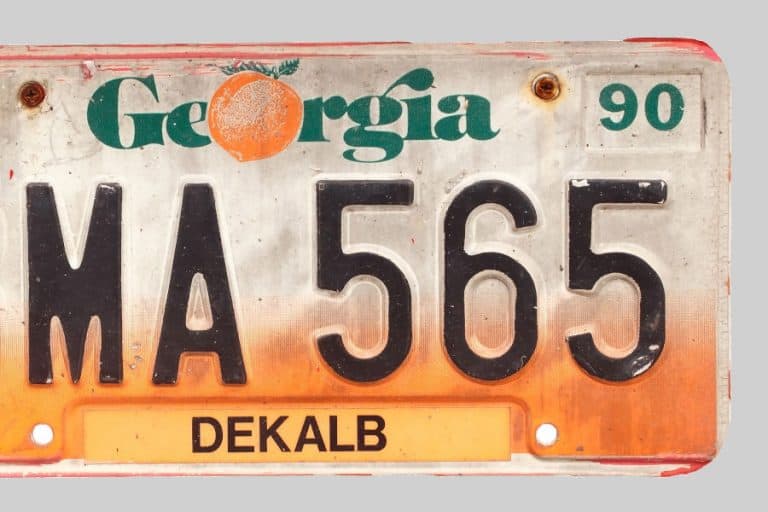
Removing a rusted license plate screw can be a frustrating experience, but with the right tools and techniques, you can often avoid damaging your vehicle or having to resort to drilling and extraction. This guide will walk you through several methods, from the gentlest to the more aggressive, for successfully removing stubborn, rusted license plate screws.
Understanding the Problem: Corrosion and Galvanic Action
Before diving into the solutions, it’s important to understand why these screws seize up in the first place. The primary culprit is corrosion, specifically rust (iron oxide). Steel screws, particularly those not made of stainless steel, are vulnerable to oxidation when exposed to moisture and oxygen. The rust expands, creating a tight grip between the screw threads and the receiving nut or threaded hole in the vehicle's body or license plate bracket.
Another contributing factor is galvanic action, also known as dissimilar metal corrosion. This occurs when two different metals (e.g., steel screws and an aluminum license plate bracket) are in contact in the presence of an electrolyte (like water, especially saltwater containing road salt). A small electrical current flows between the metals, accelerating the corrosion of the more active metal (typically the steel screw).
Tools You'll Need
Having the right tools on hand will significantly increase your chances of success. Here's a basic list:
- Penetrating Oil: A good quality penetrating oil like PB Blaster, Liquid Wrench, or Kroil is essential. These oils are designed to creep into tight spaces and break down rust.
- Screwdriver(s): Use the correct type and size screwdriver for the screw head (usually Phillips or flathead). Having a variety of sizes is beneficial.
- Impact Driver: This tool delivers a rotational force combined with a hammering action, which can help break the rust's hold.
- Heat Gun or Torch (optional): Applying heat can expand the metal, loosening the rust's grip. Use caution!
- Vice Grips or Locking Pliers: For gripping stripped or severely corroded screw heads.
- Drill with Extractor Bits (optional): As a last resort, for drilling out the screw.
- WD-40 (for cleaning): Use WD-40 to clean residual rust after.
- Wire Brush: Use a wire brush to clean the screw head.
- Gloves & Eye Protection: Safety first!
Step-by-Step Removal Techniques
We'll start with the least aggressive methods and gradually move towards more forceful options.
1. Penetrating Oil and Patience
This is often the first and most effective approach. Liberally apply penetrating oil to the screw head and the surrounding area. Allow the oil to soak in for at least 15-30 minutes, or even better, overnight. Repeat the application several times during the soaking period. The oil needs time to work its way into the threads and dissolve the rust.
After soaking, try to remove the screw with a properly sized screwdriver. Apply firm, even pressure while turning. Avoid stripping the screw head. If it doesn't budge, repeat the oil soaking process.
2. Tapping and Vibration
Sometimes, gentle tapping can help break the rust's hold. After applying penetrating oil, use a hammer to gently tap the screw head multiple times. The vibrations can help the oil penetrate deeper and loosen the rust.
3. Impact Driver
An impact driver is a valuable tool for stubborn screws. Select the appropriate driver bit and insert it into the impact driver. Position the bit firmly in the screw head and apply forward pressure. Strike the impact driver with a hammer, and it will deliver a rotational force combined with a hammering action. This can often break the screw free. Be sure to use the correct direction of rotation – loosening (counter-clockwise) for removal.
Important: Wear eye protection when using an impact driver!
4. Heat Application (Use with Extreme Caution!)
Applying heat can expand the metal around the screw, potentially loosening the rust. Use a heat gun or a small propane torch. Heat the area around the screw head for a short period (a few seconds). Do not overheat! Excessive heat can damage the surrounding paint or melt plastic components. After heating, immediately try to remove the screw with a screwdriver or impact driver. This should only be attempted if you are confident in your ability to control the heat and avoid damage.
WARNING: Exercise extreme caution when using heat. Be aware of flammable materials in the vicinity and wear appropriate safety gear (gloves and eye protection).
5. Vice Grips or Locking Pliers
If the screw head is stripped or severely corroded, you may not be able to get a good grip with a screwdriver. In this case, use vice grips or locking pliers to clamp onto the screw head. Grip the head as tightly as possible and try to turn the screw. This method is more likely to damage the screw head further, but it can be effective in removing a stuck screw.
6. Screw Extractor (Drilling and Extraction)
This is usually a last resort, as it involves drilling into the screw. Use a screw extractor kit. These kits typically include a drill bit and an extractor bit. Here's the general process:
- Use a center punch to create a small indentation in the center of the screw head. This will help guide the drill bit.
- Select the appropriate size drill bit from the extractor kit and drill a pilot hole into the screw head. Follow the manufacturer's instructions for the correct drill bit size.
- Insert the extractor bit into the drilled hole. Use a tap wrench or a similar tool to turn the extractor bit counter-clockwise. The extractor bit has a reverse thread that will grip the inside of the screw and hopefully allow you to unscrew it.
Important: Use slow speeds and gentle pressure when drilling. Avoid breaking the extractor bit, as it can be very difficult to remove.
7. Cutting the Screw Head
If other methods fail, and you need to remove the license plate urgently, you might consider carefully cutting the screw head off. This can be done with a rotary tool (like a Dremel) with a cutting disc or a hacksaw. Be extremely careful not to damage the license plate or the vehicle. Once the head is removed, you can detach the license plate. You'll still need to deal with the remaining screw shank later.
Prevention is Key
To prevent future problems with rusted license plate screws, take these preventative measures:
- Use Stainless Steel Screws: Replace the original steel screws with stainless steel screws. Stainless steel is highly resistant to corrosion.
- Apply Anti-Seize Compound: Coat the threads of the new screws with an anti-seize compound before installing them. This will prevent the screws from seizing up in the future.
- Grease the Screw Threads: Even regular grease can help prevent corrosion.
- Inspect Regularly: Check your license plate screws periodically for signs of rust. If you notice any corrosion, address it promptly.
By understanding the causes of rusted license plate screws and following these removal techniques, you can successfully tackle even the most stubborn screws and protect your vehicle from damage. Remember to always prioritize safety and use the appropriate tools for the job.