
How To Remove Car Relay
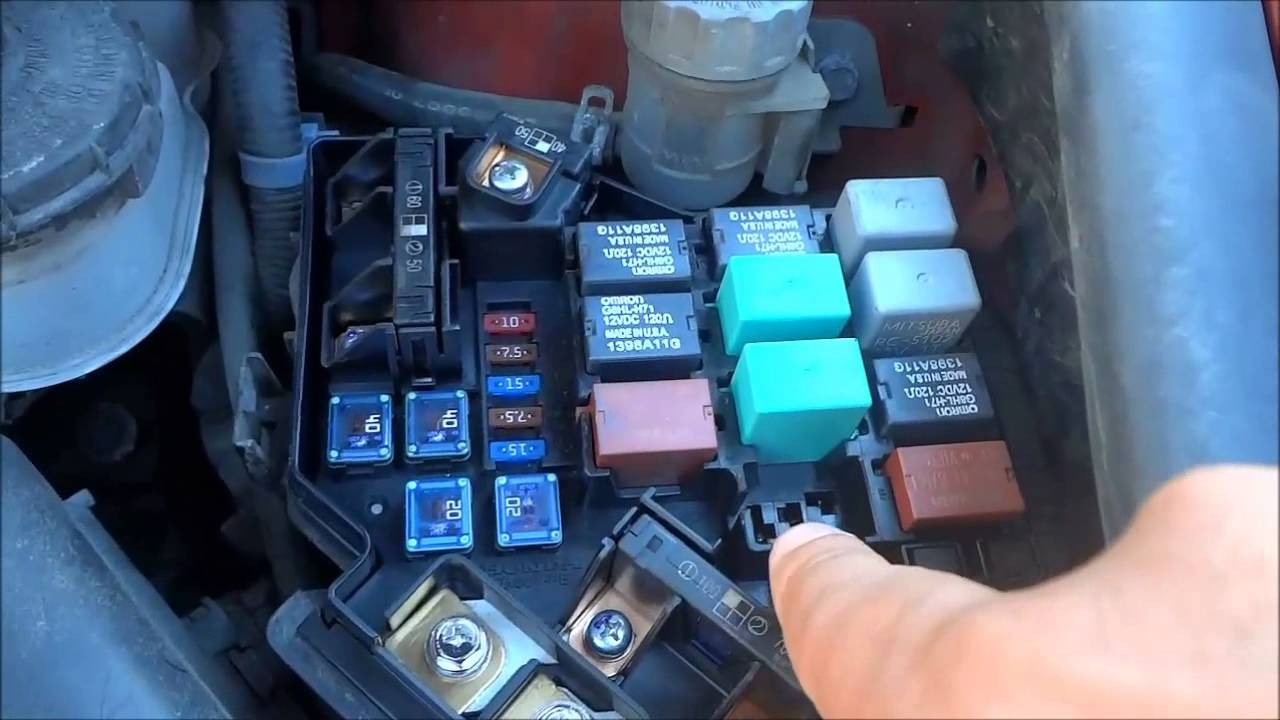
The humble car relay. Often overlooked, tucked away in fuse boxes, yet absolutely critical for a multitude of functions, from starting the engine to powering the headlights. But as automotive technology undergoes a radical transformation, the methods – and even the *need* – to remove and replace these components are evolving. This isn't just about swapping out a faulty relay; it's about understanding the changing landscape of automotive electrical systems and preparing for the future of mobility.
The Relay in a Changing Automotive World
For decades, electromechanical relays have been the workhorses of automotive electrical systems. They're simple, reliable, and relatively inexpensive. They act as remote switches, allowing a low-current circuit to control a high-current circuit. However, the rise of electric vehicles (EVs), hybrid systems, and sophisticated driver-assistance systems (ADAS) is challenging their dominance. EVs, in particular, are pushing the boundaries of voltage and current requirements, demanding more efficient and robust switching solutions. Consider the high-voltage battery system in an EV – standard relays simply aren't up to the task.
The Rise of Solid-State Relays and Power Semiconductors
One of the key replacements for traditional relays is the solid-state relay (SSR). SSRs offer several advantages: faster switching speeds, longer lifespan, and greater resistance to vibration and shock. They also generate less electromagnetic interference (EMI), which is crucial in the increasingly complex electronic environment of modern vehicles. Furthermore, they are more compact and reliable.
Beyond SSRs, power semiconductors like MOSFETs (Metal-Oxide-Semiconductor Field-Effect Transistors) and IGBTs (Insulated-Gate Bipolar Transistors) are playing a vital role, especially in controlling high-power components such as electric motors and inverters. These devices offer even greater efficiency and control capabilities.
This shift has significant implications for diagnostics and maintenance. While understanding how to remove a traditional relay remains relevant for older vehicles, technicians will increasingly need expertise in troubleshooting and replacing SSRs and power semiconductors. This requires a deeper understanding of electronics and circuit analysis.
Removing the Traditional Car Relay: A Still-Relevant Skill
Despite the advancements, traditional electromechanical relays will continue to be present in vehicles for the foreseeable future, particularly in older models and for specific functions. Understanding how to safely remove and replace them is a crucial skill. Here's a general overview:
- Identify the Relay: Consult your vehicle's owner's manual or a wiring diagram to locate the correct relay. Fuse boxes are often labeled, but double-checking is essential.
- Disconnect the Battery: This is a critical safety step to prevent electrical shocks and damage to the vehicle's electrical system.
- Locate and Remove the Relay: Relays are typically plugged into sockets within the fuse box. They might be held in place by clips or retainers. Use a relay puller (a specialized tool) or gently pry the relay upwards with a small screwdriver, being careful not to damage the surrounding components or the relay socket.
- Inspect the Socket: Check for corrosion or damage in the socket. Clean any corrosion with a wire brush and electrical contact cleaner.
- Install the New Relay: Align the new relay with the socket and press it firmly into place. Ensure it is fully seated and secure.
- Reconnect the Battery: Reconnect the negative battery cable.
- Test the Circuit: Start the vehicle and test the function controlled by the relay to ensure it is working correctly.
Important Considerations:
- Safety First: Always disconnect the battery before working on electrical components.
- Correct Replacement: Ensure you are using the correct replacement relay with the same voltage and current ratings. Using the wrong relay can damage the circuit or create a fire hazard.
- Fuse Box Location: Familiarize yourself with the location of the fuse boxes in your vehicle. They are typically located under the dashboard, in the engine compartment, or in the trunk.
The Challenges and Opportunities of New Technologies
The transition to SSRs and power semiconductors isn't without its challenges. These components are generally more expensive than traditional relays. Furthermore, their failure modes can be more complex to diagnose, often requiring specialized equipment and training. Thermal management is also crucial, as these devices can generate significant heat. Proper heat sinking and cooling solutions are essential for reliable operation.
However, these challenges also present opportunities. The demand for skilled technicians with expertise in electronics and diagnostics will increase significantly. Training programs and educational resources will need to adapt to provide the necessary skills. Furthermore, the development of more robust and reliable SSRs and power semiconductors will drive innovation and reduce costs over time.
"The future of automotive electrical systems lies in embracing solid-state technology and developing sophisticated diagnostic tools to support these advancements," says Dr. Anya Sharma, a leading expert in automotive electronics. "This requires a collaborative effort between manufacturers, technicians, and educators."
Smart Automotive Solutions and the "Relay-less" Future
Beyond SSRs and power semiconductors, the integration of smart automotive solutions is further blurring the lines of traditional relay functionality. Centralized control units, vehicle control modules (VCMs), and body control modules (BCMs) are increasingly managing electrical functions through software and electronic control. This allows for more precise control, advanced diagnostics, and the ability to implement complex features such as adaptive lighting and predictive maintenance.
Imagine a future where many traditional relay functions are virtualized, controlled entirely by software algorithms. This would require ultra-reliable and fast communication networks within the vehicle, such as Ethernet or CAN (Controller Area Network) bus systems. Redundancy and fail-safe mechanisms would be paramount to ensure safety and reliability.
The emergence of zone-based architectures in vehicles is a significant step in this direction. Instead of distributing individual control units throughout the vehicle, zone controllers manage specific areas, such as the chassis, body, or powertrain. This simplifies wiring, reduces complexity, and enables more efficient communication and control.
Preparing for the Future of Mobility
The automotive industry is undergoing a period of unprecedented change. Electric vehicles, autonomous driving, and connected car technologies are reshaping the way we think about mobility. As these technologies evolve, the role of the traditional car relay will diminish, replaced by more sophisticated and integrated electronic systems.
For automotive technicians, this means embracing lifelong learning and acquiring new skills. Proficiency in electronics, software diagnostics, and network communication will be essential. Furthermore, understanding the principles of thermal management and power electronics will be crucial for working with EVs and hybrid systems.
For manufacturers, it means investing in research and development to create more robust and reliable solid-state components. Standardizing communication protocols and diagnostic interfaces will also be crucial to facilitate repair and maintenance.
The Transition is Gradual, But Inevitable: The internal combustion engine (ICE) vehicle is not going away tomorrow, nor are all the technologies, skills, and services that support it. The relay, a simple electromechanical device, will be a part of that for the foreseeable future. But as new technology advances, technicians will need to adapt with the changes.
A Visionary Note
Imagine a future where vehicles are seamlessly integrated into a smart infrastructure, communicating with each other and with the environment to optimize traffic flow, enhance safety, and minimize energy consumption. In this future, the concept of a "relay" as we know it today might seem quaint and outdated. Instead, sophisticated software algorithms and intelligent control systems will manage every aspect of vehicle operation, ensuring a safe, efficient, and sustainable future for mobility. The journey towards this future is underway, driven by innovation, collaboration, and a commitment to transforming the way we move.