
How To Remove Hard Water From Car Windows
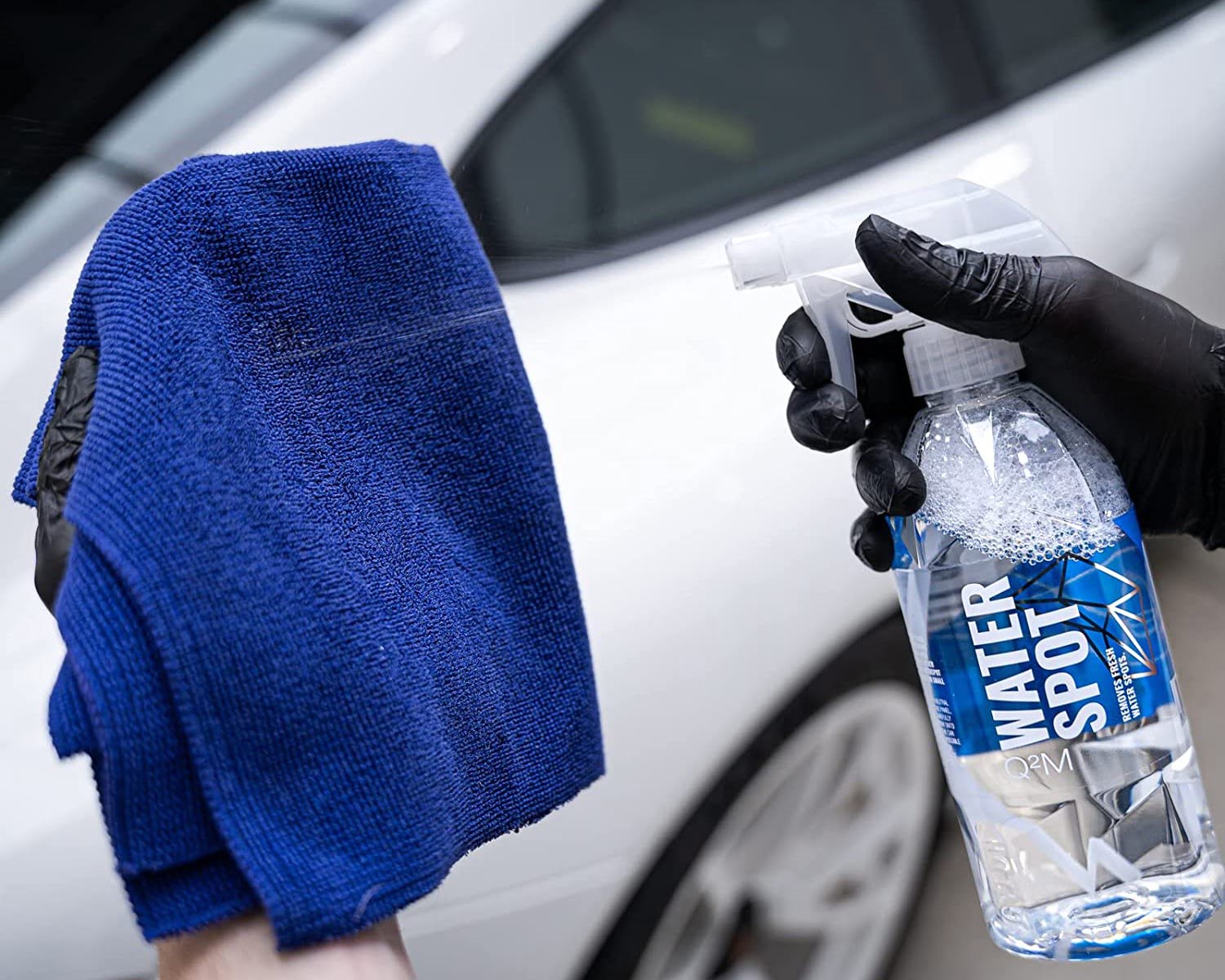
Hard water stains on car windows, a common nuisance for automotive detailers and enthusiasts alike, are more than just an aesthetic problem. They represent mineral deposits, primarily calcium and magnesium carbonates, left behind after water evaporates. Understanding the chemistry and mechanics of these deposits is crucial for selecting the most effective removal method. This article will delve into the science behind hard water stains, explore various removal techniques, compare their effectiveness and drawbacks, and offer insights into maintaining a pristine finish.
Understanding the Enemy: Hard Water Chemistry
The hardness of water is determined by the concentration of dissolved minerals, specifically calcium (Ca2+) and magnesium (Mg2+) ions. These ions originate from the erosion of limestone, chalk, dolomite, and other mineral-rich geological formations. When hard water evaporates on a car's glass surface, these ions react with carbonates (CO32-) in the water and atmosphere, forming insoluble calcium carbonate (CaCO3) and magnesium carbonate (MgCO3) crystals. These crystals adhere tenaciously to the glass, creating the visible "stains." The strength of the bond is dependent on factors like water temperature, mineral concentration, and the glass surface's existing contamination.
The Arsenal: Hard Water Stain Removal Techniques
Several methods exist for removing hard water stains, each with its own set of advantages and disadvantages:
- Vinegar Solutions: Diluted white vinegar (typically a 50/50 solution with water) is a readily available and relatively mild acidic cleaner. The acetic acid (CH3COOH) in vinegar reacts with the calcium and magnesium carbonates, converting them into soluble acetates that can be easily rinsed away.
- Pros: Inexpensive, readily available, relatively safe for untrained users.
- Cons: Less effective on heavy, long-standing deposits. Requires repeated applications and scrubbing. The low pH can potentially damage certain types of window tint if exposure is prolonged.
- Commercial Hard Water Stain Removers: These products often contain stronger acids, such as citric acid or phosphoric acid, along with detergents and chelating agents. Chelating agents bind to the calcium and magnesium ions, preventing them from redepositing on the glass.
- Pros: More effective than vinegar on stubborn stains, often faster acting.
- Cons: Can be more expensive. Requires careful application and adherence to manufacturer instructions. Some formulations can etch glass or damage paint if not used properly. Proper personal protective equipment (PPE) is essential.
- Polishing Compounds: Automotive glass polishing compounds contain mild abrasives, such as cerium oxide, designed to physically remove the mineral deposits by gently abrading the glass surface. These compounds are typically used with a machine polisher.
- Pros: Highly effective on even the most stubborn stains. Can restore clarity to severely damaged glass.
- Cons: Requires specialized equipment and training. Incorrect technique can result in swirl marks or scratches. Can be time-consuming. Over-polishing can weaken the glass.
- Clay Bar Treatment: An automotive clay bar can lift embedded contaminants, including some light hard water deposits, from the surface. Best used as a preventative measure or for very mild staining.
- Pros: Safe for use on most surfaces, relatively inexpensive. Can improve the overall clarity of the glass.
- Cons: Ineffective on moderate to severe hard water stains. Requires lubrication to prevent scratching.
Engineering Choices: Formulation and Application
The effectiveness of commercial hard water stain removers hinges on the choice of acid, its concentration, and the inclusion of additives. Phosphoric acid is a popular choice due to its relatively strong etching ability, while citric acid offers a gentler, more environmentally friendly alternative. Detergents are added to help break down surface tension and improve the cleaner's ability to penetrate the mineral deposits. Chelating agents, such as EDTA, are crucial for preventing redeposition and enhancing the cleaner's overall performance.
The application method also plays a critical role. Spray-on application is convenient but can lead to uneven coverage. Applying the cleaner with a microfiber cloth or sponge ensures more uniform distribution and allows for targeted scrubbing. Dwell time is crucial; allowing the cleaner to sit on the surface for a few minutes allows the acid to effectively dissolve the mineral deposits. Thorough rinsing with clean water is essential to remove all traces of the cleaner and dissolved minerals.
Real-World Performance and Reliability
In real-world testing, polishing compounds consistently outperform other methods on severely stained glass. However, they require a higher level of skill and carry a greater risk of damage. Commercial hard water stain removers offer a good balance of effectiveness and ease of use, but their performance can vary significantly depending on the specific formulation and the severity of the staining. Vinegar solutions are a cost-effective option for light stains but may not be sufficient for heavily mineralized deposits.
The reliability of each method also depends on the underlying glass quality and any existing coatings. Tempered glass, commonly used in automotive windows, is generally resistant to mild abrasion, but laminated glass can be more susceptible to scratching. Aftermarket window tints can be damaged by acidic cleaners or aggressive polishing. Proper testing in an inconspicuous area is always recommended before applying any cleaning product to the entire window.
Maintenance and Prevention
Preventing hard water stains is far more effective than trying to remove them. Regular washing with soft water and the use of a hydrophobic sealant can significantly reduce the accumulation of mineral deposits. Consider using a water softener for washing vehicles, especially in areas with high water hardness. Drying the vehicle immediately after washing prevents water spots from forming. Applying a ceramic coating provides a durable, hydrophobic layer that repels water and makes it easier to remove any remaining water spots.
Future Trends
The future of hard water stain removal may involve the development of more environmentally friendly and biodegradable cleaning solutions. Nanotechnology could play a role in creating coatings that are even more resistant to mineral adhesion. Self-cleaning glass, incorporating photocatalytic properties, could become more prevalent in automotive applications, further reducing the need for manual cleaning. Improved water filtration systems in car washes will minimize the amount of hard water used in the cleaning process. The integration of smart sensors in vehicles, capable of detecting hard water buildup and triggering automated cleaning cycles, is also a potential future development.
The automotive industry's ongoing focus on sustainability and improved user experience will continue to drive innovation in the field of vehicle maintenance and detailing, including more efficient and environmentally sound solutions for addressing the persistent challenge of hard water stains.