
How To Remove Ignition Barrel Without Key
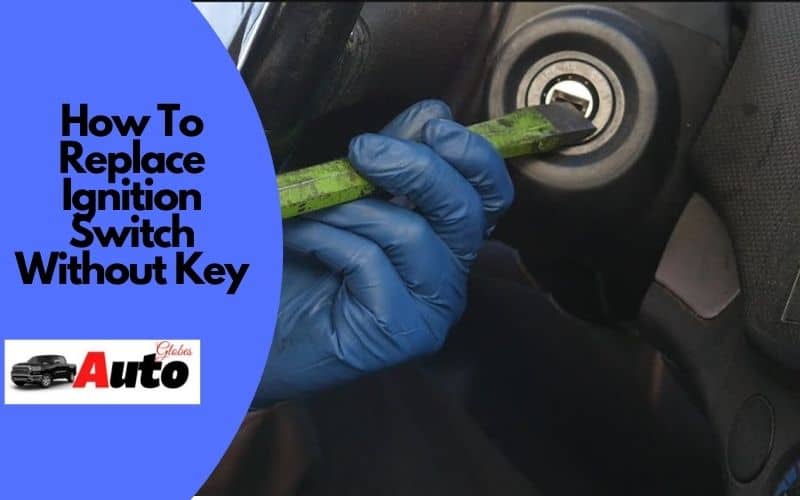
Gaining access to a vehicle's ignition system without the original key is a complex task, often encountered by automotive professionals dealing with lost keys, damaged locks, or theft recovery. While straightforward methods are preferable, circumstances often necessitate more invasive approaches. This article delves into the technical aspects of removing an ignition barrel without a key, exploring various techniques, their pros and cons, and considerations for reliability, maintenance, and future trends.
Understanding the Ignition Barrel Mechanism
The ignition barrel, or ignition lock cylinder, is a precision-engineered component designed to provide secure access and control over the vehicle's electrical system. It houses a series of precisely cut wafers or tumblers that align with the key's unique profile. When the correct key is inserted, these wafers align, allowing the cylinder to rotate and engage the electrical switch. Modern systems often incorporate immobilizer transponders within the key, adding another layer of security that requires electronic verification before engine start.
Methods for Ignition Barrel Removal Without a Key
Several methods exist for removing an ignition barrel without the key, each with varying degrees of complexity and potential for damage. The choice of method depends on the vehicle's make, model, and security features, as well as the tools and expertise available.
1. Lock Picking
Lock picking is a skilled technique involving manipulating the internal mechanisms of the lock to mimic the effect of the correct key. Specialized tools, such as lock picks and tension wrenches, are used to individually lift and set each wafer into the correct position. This method requires significant practice and understanding of lock mechanics. Pros: Minimal damage to the ignition system if performed correctly. Cons: High skill requirement, time-consuming, may not be effective on high-security locks, potential for damage if forced.
2. Wafer Impressioning
Wafer impressioning involves using a blank key to create an impression of the wafers inside the lock cylinder. The blank key is inserted and manipulated, leaving slight marks on the key's surface where the wafers make contact. These marks are then filed down, gradually shaping the key to match the lock's internal configuration. Pros: Can create a working key. Cons: Requires specialized tools and skill, time-consuming, may not work on all locks.
3. Drilling
Drilling involves strategically drilling into the ignition barrel to bypass the locking mechanism. This is a more destructive method that should only be considered when other options have failed. The drilling process typically targets the shear line or the area where the wafers interact with the cylinder housing. Pros: Relatively quick, can bypass most locks. Cons: Destructive, requires replacement of the ignition barrel, potential for damage to surrounding components, creates metal shavings that can damage the electrical switch.
Technical Considerations for Drilling: Use progressively larger drill bits to avoid excessive heat and binding. Lubricate the drill bit frequently. Drill slowly and carefully to avoid damaging the steering column or other components. Wear safety glasses to protect your eyes from metal shavings.
4. Slide Hammer Extraction
This method involves damaging the lock cylinder in such a way that a slide hammer can be used to forcefully extract it from the steering column. It's typically used as a last resort. Pros: Relatively quick. Cons: Highly destructive, requires replacement of the ignition barrel and possibly the steering column, significant risk of damage to surrounding components.
Comparison with Alternatives
Alternatives to removing the ignition barrel without a key include:
- Key Replacement Services: Contacting a locksmith or automotive dealership to create a replacement key based on the vehicle's VIN. This is the preferred method if ownership can be verified. Pros: Creates a working key, avoids damage to the ignition system. Cons: Requires proof of ownership, can be expensive, may require waiting for the key to be manufactured.
- ECU Reprogramming: In some cases, the immobilizer system can be bypassed or reprogrammed to accept a new key. This requires specialized diagnostic equipment and expertise. Pros: Avoids physical damage to the ignition system. Cons: Requires specialized equipment and expertise, can be expensive, may not be possible on all vehicles.
Reliability and Maintenance
Regardless of the method used, proper care should be taken to avoid damaging the vehicle's electrical system. After removing the ignition barrel, the electrical switch should be carefully inspected for damage. Any damaged components should be replaced before installing a new ignition barrel. Regular lubrication of the ignition barrel with a graphite-based lubricant can help prevent future problems. Always disconnect the battery before working on the ignition system to prevent electrical shorts.
Future Trends
The automotive industry is moving towards more sophisticated security systems, including biometrics and advanced encryption. These systems will make it increasingly difficult to bypass the ignition system without the key. Keyless ignition systems, which rely on electronic key fobs and push-button start, are also becoming more common. These systems offer improved security and convenience but also present new challenges for automotive professionals dealing with lost or damaged key fobs.
Forward-Looking Note
The ongoing evolution of automotive security technology requires automotive professionals to continuously update their skills and knowledge. Understanding the latest security systems and diagnostic tools is essential for providing effective and reliable service. As vehicles become more complex, the importance of specialized training and expertise will only continue to grow. The future of automotive service will depend on the ability to adapt to these technological advancements and provide innovative solutions to meet the evolving needs of vehicle owners.