
How To Remove Locking Gas Cap Without Key
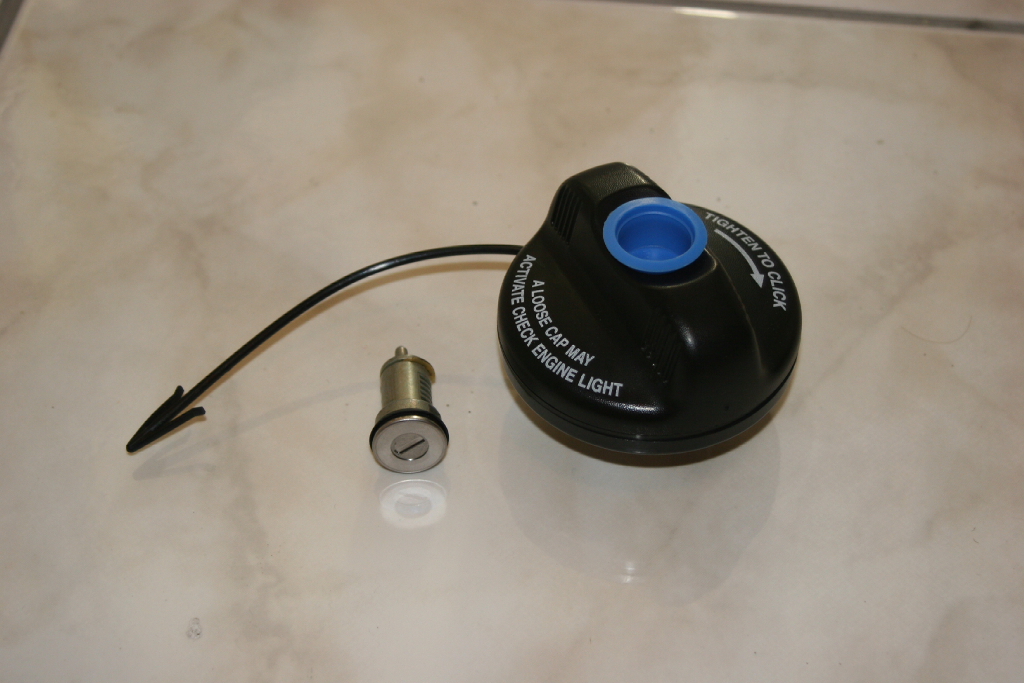
Alright, so you've managed to misplace the key to your locking gas cap. It happens to the best of us. While the ideal solution is always to find the original key (or a spare), there are situations where you need that gas cap off *now*. Before we dive in, a crucial disclaimer: Tampering with a locking gas cap, especially forcefully, could potentially damage the fuel filler neck, the cap itself, or even the paint around the fuel door. Proceed with caution and understand the risks involved. This guide is for emergency situations only. Consider purchasing a replacement gas cap immediately after removal. And, of course, always prioritize safety – work in a well-ventilated area, away from open flames, and disconnect the negative terminal of your battery if you're using any electrical tools.
Understanding the Locking Mechanism
First, it's beneficial to understand how these locking gas caps typically work. They usually feature a ratcheting mechanism and a locking cylinder. The ratchet allows the cap to tighten without endlessly spinning, while the lock prevents the cap from being unscrewed freely. The key engages tumblers inside the cylinder, allowing it to rotate and disengage the locking mechanism.
There are variations in locking gas cap designs. Some are more robust than others, and the success of these methods depends heavily on the specific cap you're dealing with. Simpler, aftermarket locking caps are generally easier to bypass than those installed by the manufacturer (OEM) as original equipment. Also, keep in mind that depending on your car's year, make, and model, the gas cap may also be tethered to the fuel door, so be mindful of the tether when manipulating the cap.
Methods for Removal (Proceed with Caution!)
Here are a few methods you can attempt, ordered roughly from least to most invasive:
1. The "Wiggle and Jiggle" Technique
This is the least destructive method and works best on caps with simpler locking mechanisms that might be slightly worn or binding. The idea is to apply gentle pressure while simultaneously wiggling the cap back and forth. Here's how:
- Apply firm, downward pressure on the gas cap as if you were trying to tighten it.
- While maintaining the pressure, gently rock the cap back and forth, trying to turn it counterclockwise.
- Vary the amount of pressure and the intensity of the wiggle. The goal is to try and catch the locking mechanism at a point where it will release.
- Patience is key. This might take several minutes of persistent effort.
This technique works because the wiggling action can sometimes dislodge a stuck or slightly worn tumbler in the locking cylinder. The pressure helps keep the ratchet engaged while you try to find the sweet spot.
2. The Lubrication Method
If the "Wiggle and Jiggle" fails, lubrication might help. Use a penetrating oil like PB Blaster or a similar product specifically designed to loosen rusted or seized parts. Do not use WD-40 as it is primarily a water displacer and not a very effective penetrant.
- Apply the penetrating oil liberally around the keyhole and the seam where the cap meets the fuel filler neck.
- Allow the oil to soak for at least 15-30 minutes. This gives it time to work its way into the locking mechanism and loosen any rust or debris.
- After soaking, repeat the "Wiggle and Jiggle" technique. The lubrication might make it easier for the tumblers to move freely.
Penetrating oils work by reducing friction and dissolving corrosion. They can be especially helpful if the locking mechanism is seized due to rust or buildup. Always clean up any excess oil after you've removed the cap to prevent dirt and debris from sticking to the area.
3. The Screwdriver Method (More Aggressive)
This method involves using a screwdriver to attempt to manually manipulate the locking mechanism. It's more invasive and carries a higher risk of damage. Use extreme caution.
- Select a small, flat-head screwdriver that fits snugly into the keyhole.
- Gently insert the screwdriver into the keyhole and try to feel for the tumblers.
- Attempt to mimic the action of the key by pushing and manipulating the tumblers. You're essentially trying to "pick" the lock.
- If you can feel the tumblers moving, try turning the screwdriver to unlock the cap.
- If this doesn't work, you can try applying gentle pressure to the base of the locking cylinder while manipulating the screwdriver.
This method requires some finesse and a feel for how locks work. You're essentially trying to replicate the function of the key. If you're not comfortable with this level of manipulation, it's best to move on to a different method.
4. The Drill Method (Most Destructive - Last Resort!)
This is the most destructive method and should only be used as a last resort when all other options have failed. It involves drilling out the locking cylinder. This will almost certainly destroy the gas cap, but it will allow you to remove it. Wear safety glasses and proceed with extreme caution to avoid damaging the fuel filler neck or the surrounding area.
- Start with a small drill bit (around 1/8 inch).
- Carefully drill into the center of the keyhole.
- Increase the size of the drill bit gradually, working your way up to a bit that is slightly larger than the diameter of the locking cylinder.
- As you drill, you'll eventually destroy the tumblers and the locking mechanism.
- Once the locking mechanism is sufficiently damaged, you should be able to turn the gas cap and remove it.
Drilling is a messy and potentially dangerous process. Be prepared for metal shavings and the possibility of damaging the fuel filler neck. After drilling, thoroughly clean the area around the fuel filler neck to remove any debris. And seriously, only do this if you're absolutely desperate and have exhausted all other options. A replacement gas cap is much cheaper than repairing a damaged fuel system.
After Removal
Once you've successfully removed the locking gas cap, the first thing you need to do is replace it with a new one. Driving without a gas cap can allow dirt and debris to enter the fuel tank, potentially damaging the fuel pump and injectors. It also allows fuel vapors to escape, which is both harmful to the environment and a fire hazard.
Consider purchasing a non-locking gas cap as a temporary solution if you're concerned about losing the key again. Alternatively, keep the spare key to your new locking gas cap in a safe and memorable location.
Finally, inspect the fuel filler neck for any damage. If you see any signs of cracks or distortion, have it inspected by a professional mechanic. A damaged fuel filler neck can leak fuel, which is a serious safety hazard. You might also need to clean around the fuel filler neck area to avoid debris getting in.
Remember, these methods are intended for emergency situations only. A professional locksmith may be able to remove the gas cap without causing damage. Always prioritize safety and consider the potential risks before attempting any of these methods.