
How To Remove Scratches From A Windshield
A scratched windshield is more than just an annoyance; it can significantly compromise your visibility, especially when driving into direct sunlight or at night. Those seemingly minor imperfections can scatter light, creating a distracting glare that increases the risk of accidents. Fortunately, depending on the severity of the scratch, you might be able to repair it yourself. This guide provides a comprehensive overview of how to remove scratches from a windshield, covering everything from identifying the type of scratch to choosing the right repair method.
Understanding Windshield Scratches
Before attempting any repairs, it's crucial to assess the type and severity of the scratch. Not all scratches are created equal, and the appropriate repair method will vary accordingly. Here's a breakdown:
- Surface Scratches: These are light, hairline scratches that only affect the very surface of the glass. You can often feel them faintly with your fingernail, but they won't catch on it.
- Moderate Scratches: These scratches are deeper than surface scratches and can be felt more easily with your fingernail. They might cause a slight distortion in your vision.
- Deep Scratches and Chips: These are significant damages that can compromise the structural integrity of the windshield. They are easily felt with your fingernail and may even catch on it. Deep scratches and chips often require professional repair or windshield replacement.
Attempting to repair deep scratches yourself can be risky and may lead to further damage or even windshield failure. If you're unsure about the severity of the scratch, it's always best to consult with a professional auto glass repair technician.
DIY Windshield Scratch Repair: Is It Right for You?
DIY repair is generally suitable for minor surface scratches. Attempting to repair moderate or deep scratches without the proper tools and expertise could make the problem worse. Consider these factors before proceeding:
- Your Skill Level: Are you comfortable working with automotive products and power tools?
- The Severity of the Scratch: Is it a light surface scratch, or is it deeper?
- The Cost of Professional Repair: Get a quote from a professional to compare with the cost of DIY supplies.
If you decide to proceed with DIY repair, be sure to follow the instructions carefully and take all necessary safety precautions.
Essential Tools and Materials
To effectively remove scratches from your windshield, you'll need the following tools and materials:
- Glass Polishing Compound: This is a specialized compound designed to remove imperfections from glass surfaces. Look for a product specifically formulated for automotive windshields. Cerium oxide is a common and effective ingredient.
- Polishing Pads: You'll need both a soft felt polishing pad and a microfiber cloth.
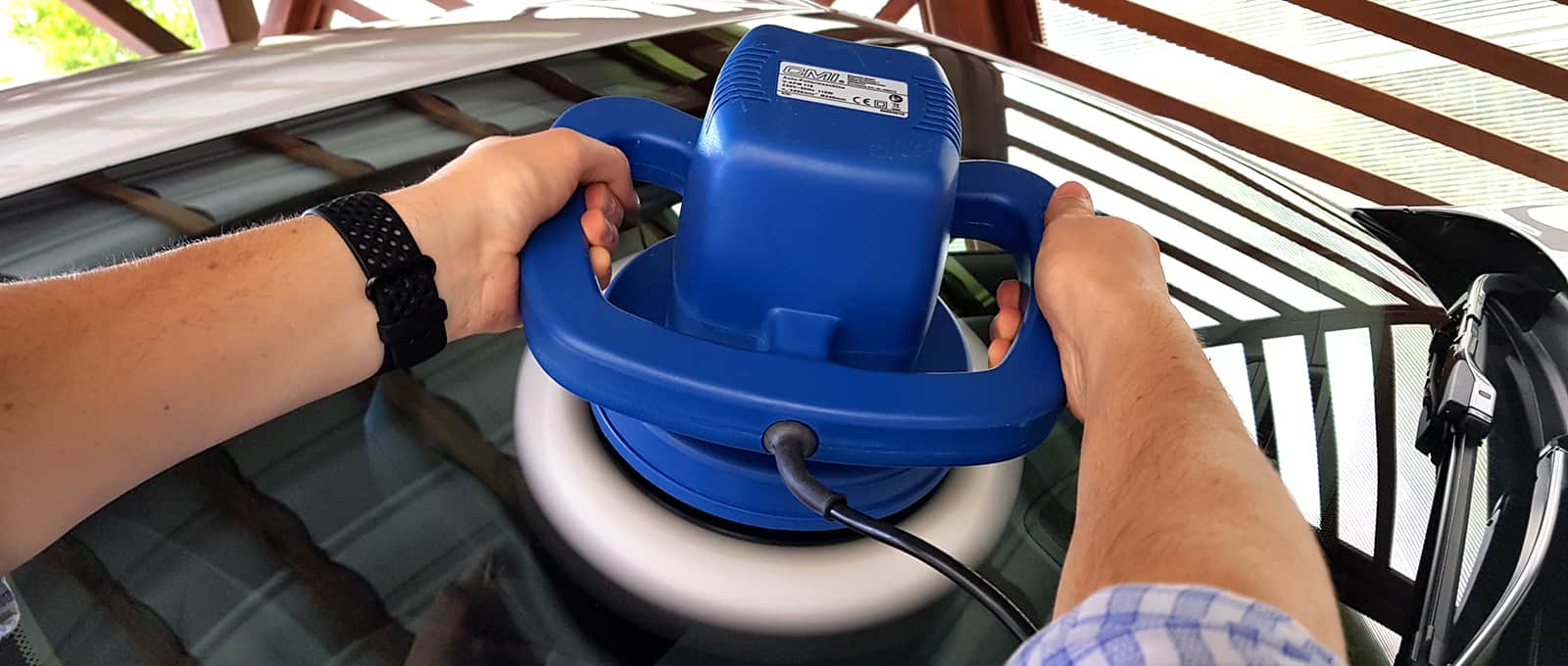
- Electric Polishing Tool: A rotary tool or orbital polisher will make the job much easier and more effective. If you don't have one, you can try polishing by hand, but it will require significantly more effort.
- Spray Bottle with Water: To keep the polishing pad and glass surface cool and lubricated.
- Masking Tape: To protect the surrounding areas of your windshield.
- Clean Microfiber Cloths: For cleaning and wiping the windshield.
- Safety Glasses: To protect your eyes from debris and polishing compound.
- Gloves: To protect your hands from the polishing compound.
Step-by-Step Guide to Removing Windshield Scratches
Follow these steps carefully to safely and effectively remove scratches from your windshield:
- Clean the Windshield: Thoroughly clean the windshield with a glass cleaner and microfiber cloth to remove any dirt, debris, or residue. Make sure the area around the scratch is completely clean.
- Mask Off the Area: Use masking tape to carefully mask off the area surrounding the scratch. This will protect the surrounding glass from being unintentionally polished.
- Apply Polishing Compound: Apply a small amount of glass polishing compound to the felt polishing pad. Don't apply the compound directly to the windshield.
- Begin Polishing: Using the electric polishing tool at a low speed (around 1000-1500 RPM), begin polishing the scratched area. Apply gentle, even pressure and work in small, overlapping circles. Keep the polishing pad and glass surface slightly damp by spraying them with water as needed. Avoid applying excessive pressure, as this could overheat the glass and cause further damage.
- Monitor Progress: Periodically stop polishing and wipe the area clean with a microfiber cloth to check your progress. You may need to repeat the polishing process several times to achieve the desired results. Be patient and persistent.
- Increase Speed (Optional): If the scratch is proving difficult to remove, you can gradually increase the speed of the polishing tool slightly. However, be cautious not to overheat the glass.
- Switch to Microfiber Cloth: Once the scratch is significantly reduced, switch to a clean microfiber cloth and apply a small amount of polishing compound. Polish the area by hand using small, circular motions. This will help to refine the finish and remove any remaining imperfections.
- Clean and Inspect: Thoroughly clean the windshield with a glass cleaner and microfiber cloth to remove all traces of polishing compound. Inspect the area carefully to ensure that the scratch has been adequately removed.
- Repeat if Necessary: If the scratch is still visible, repeat the polishing process as needed.
- Remove Masking Tape: Carefully remove the masking tape.
- Final Cleaning: Give the entire windshield a final cleaning with a glass cleaner and microfiber cloth.
Important Safety Precautions
When working with power tools and glass polishing compounds, it's essential to take the following safety precautions:
- Wear Safety Glasses: Always wear safety glasses to protect your eyes from debris and polishing compound.
- Wear Gloves: Wear gloves to protect your hands from the polishing compound.
- Work in a Well-Ventilated Area: Polishing compounds can release fumes, so work in a well-ventilated area.
- Avoid Overheating the Glass: Excessive heat can cause the glass to crack or shatter. Keep the polishing pad and glass surface cool and lubricated.
- Unplug the Polishing Tool When Not in Use: This will prevent accidental start-ups.
When to Seek Professional Help
While DIY windshield scratch repair can be effective for minor scratches, there are times when it's best to seek professional help:
- Deep Scratches or Chips: As mentioned earlier, deep scratches and chips can compromise the structural integrity of the windshield and should be repaired by a professional.
- Large or Complex Scratches: If the scratch is large or complex, it may be difficult to repair it effectively yourself.
- Distortion in Vision: If the scratch is causing a significant distortion in your vision, it's best to have it repaired by a professional.
- You're Not Comfortable with DIY Repair: If you're not comfortable working with automotive products or power tools, it's best to leave the repair to a professional.
- The Scratch is in the Driver's Line of Sight: Any scratch that interferes with the driver's vision requires professional attention.
A professional auto glass repair technician has the expertise, tools, and materials to repair windshield scratches safely and effectively. They can also assess the damage and determine whether repair or replacement is the best option.
Preventing Windshield Scratches
Prevention is always better than cure. Here are some tips to help prevent windshield scratches:
- Use High-Quality Windshield Wipers: Replace your windshield wipers regularly, especially if they are worn or damaged. Use high-quality wipers that are designed to clean the windshield effectively without scratching it.
- Keep Your Windshield Clean: Regularly clean your windshield with a glass cleaner and microfiber cloth to remove dirt, debris, and road grime.
- Avoid Parking Under Trees: Trees can drop sap, leaves, and twigs onto your windshield, which can scratch the glass.
- Be Careful When Using Ice Scrapers: If you need to use an ice scraper, use one that is made of plastic and has a smooth edge. Avoid using metal scrapers, as they can easily scratch the windshield.
- Follow Vehicles at a Safe Distance: Following vehicles too closely can increase your risk of getting hit by rocks or debris kicked up from the road.
By following these tips, you can help to keep your windshield clean and scratch-free, ensuring clear visibility and safe driving.
Conclusion
Removing scratches from a windshield can be a rewarding DIY project, but it's essential to assess the damage carefully and proceed with caution. By following the steps outlined in this guide and taking the necessary safety precautions, you can often repair minor surface scratches yourself. However, for deep scratches or chips, or if you're unsure about your ability to perform the repair safely and effectively, it's always best to seek professional help. A clear, scratch-free windshield is essential for safe driving, so don't hesitate to take action if you notice any damage.