
How To Remove Stains From Cloth Car Seats
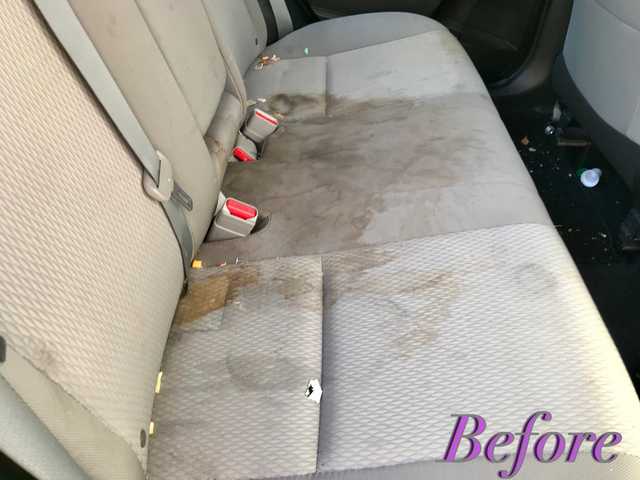
Maintaining a clean interior is crucial for any vehicle, not just for aesthetics, but also for preserving its value and creating a pleasant driving environment. Cloth car seats, while comfortable, are notorious for absorbing spills and accumulating stains. Fear not, fellow gearheads, as with the right techniques and products, even the most stubborn blemishes can be eradicated. This guide will walk you through the process of removing stains from cloth car seats, from preparation to the final touches.
Preparation is Key
Before you even think about attacking the stain, proper preparation is essential. This involves a thorough vacuuming of the entire seating area. Use a brush attachment to loosen dirt and debris embedded in the fabric fibers. Pay particular attention to seams, crevices, and areas around the edges of the seat where dirt tends to accumulate. A powerful shop vacuum is your best friend here, but a regular household vacuum with the appropriate attachments will also suffice.
Next, identify the type of stain you're dealing with. Is it oil-based (grease, food), water-based (juice, coffee), or something else entirely (ink, blood)? Knowing the stain's nature will dictate the type of cleaning solution and technique you should employ. Always test any cleaning solution on an inconspicuous area of the seat first, such as under the seat or on a rear panel, to ensure it doesn't discolor or damage the fabric. Let the test area dry completely before proceeding.
Essential Tools and Cleaning Agents
Having the right tools and cleaning agents on hand will make the stain removal process significantly easier. Here's a list of essentials:
- Microfiber cloths: These are essential for wiping and absorbing liquids.
- Soft-bristled brush: A brush for gently scrubbing the affected area. An old toothbrush can work well for small stains.
- Spray bottle: For applying cleaning solutions.
- Vacuum cleaner: As mentioned earlier, a shop vacuum is ideal.
- Upholstery cleaner: Choose a dedicated upholstery cleaner that's safe for automotive fabrics. Brands like Chemical Guys and Meguiar's offer excellent options.
- Dish soap (mild): For some stains, a diluted solution of mild dish soap can be effective.
- White vinegar: A natural cleaning agent that works well on many types of stains.
- Baking soda: Excellent for absorbing odors and loosening stains.
- Enzyme cleaner: Specifically designed for organic stains like blood, urine, and vomit.
Tackling Different Types of Stains
The approach to stain removal will vary depending on the type of stain. Here are some common stains and how to address them:
- Water-based stains (coffee, juice, soda): Blot the stain immediately with a clean microfiber cloth. Avoid rubbing, as this can spread the stain. Mix a solution of warm water and a small amount of mild dish soap. Apply the solution to the stain with a spray bottle or a damp cloth. Gently blot the area with a clean cloth, working from the outside in. Repeat until the stain is gone. Rinse the area with clean water and blot dry.
- Oil-based stains (grease, food): Sprinkle baking soda on the stain to absorb the oil. Let it sit for at least 30 minutes, or preferably overnight. Vacuum up the baking soda. Apply a dedicated upholstery cleaner designed for oil-based stains. Follow the manufacturer's instructions.
- Blood stains: Act quickly! Blot the stain with a clean, damp cloth. Avoid using hot water, as it can set the stain. Apply a solution of cold water and a small amount of hydrogen peroxide (3%). Test this solution in an inconspicuous area first to ensure it doesn't discolor the fabric. Gently blot the stain with the solution. Rinse with cold water and blot dry. If the stain persists, consider using an enzyme cleaner.
- Ink stains: Dab the stain with rubbing alcohol (isopropyl alcohol) on a clean cloth. Be careful not to saturate the fabric. Blot the area with a clean cloth to absorb the ink. Repeat until the stain is gone. Rinse with water and blot dry.
- Vomit or urine stains: Clean up any solids immediately. Blot the stain with a clean, damp cloth. Apply an enzyme cleaner specifically designed for pet stains. Follow the manufacturer's instructions. These cleaners contain enzymes that break down the organic compounds causing the stain and odor. Allow the cleaner to sit for the recommended time, then blot dry. Consider using a wet/dry vacuum to extract the remaining cleaner and moisture.
Final Steps and Prevention
Once you've removed the stain, it's crucial to dry the area thoroughly. Use a clean, dry microfiber cloth to blot up any remaining moisture. You can also use a fan or a hair dryer (on a low setting) to speed up the drying process. Avoid direct sunlight, as it can cause fading. Once the area is completely dry, vacuum it again to restore the fabric's texture.
Prevention is always better than cure. Consider using seat covers to protect your cloth seats from spills and stains. Regularly vacuuming your car's interior will also help prevent dirt and grime from accumulating and setting into the fabric. And of course, be mindful of what you're bringing into your car – avoid eating messy foods and secure drinks properly.
With a little elbow grease and the right techniques, you can keep your cloth car seats looking their best for years to come. Happy detailing!