
How To Remove The Smell Of Vomit From Car
Ah, the dreaded aroma of vomit in your car. Whether it's a kid with motion sickness on a road trip, a post-party passenger, or even a pet having a bad day, the lingering smell can make driving an unbearable experience. Thankfully, with the right knowledge and tools, you can banish that unpleasant scent and restore your car's interior to its former glory. This guide will walk you through the process, breaking down the science behind the smell and the techniques to eliminate it.
Understanding the Enemy: The Science of Vomit Smell
Vomit isn't just one thing; it's a complex mixture of stomach acid, partially digested food, and bile. The pungent odor comes from the volatile organic compounds (VOCs) released as these substances decompose. These VOCs latch onto porous surfaces like fabric, carpets, and even the microscopic pores in plastic. This is why simply wiping up the visible mess often isn't enough; the smell persists because the source is still present at a microscopic level.
Think of it like trying to get rid of the smell of spilled gasoline in your car, say a classic Mustang. Even after mopping up the gasoline, the smell sticks around because it has seeped into the carpet fibers and the padding underneath. Vomit is similar, but often even more aggressive in its penetration.
Phase 1: Immediate Action is Key
The sooner you address the problem, the better your chances of a complete recovery. Here's what to do immediately after a vomiting incident:
- Protect Yourself: Wear gloves and, if possible, a mask. This protects you from potential pathogens and minimizes exposure to the unpleasant odor.
- Remove Solid Matter: Use paper towels or a spatula to carefully scoop up as much solid material as possible. Be gentle to avoid pushing the mess further into the upholstery or carpet.
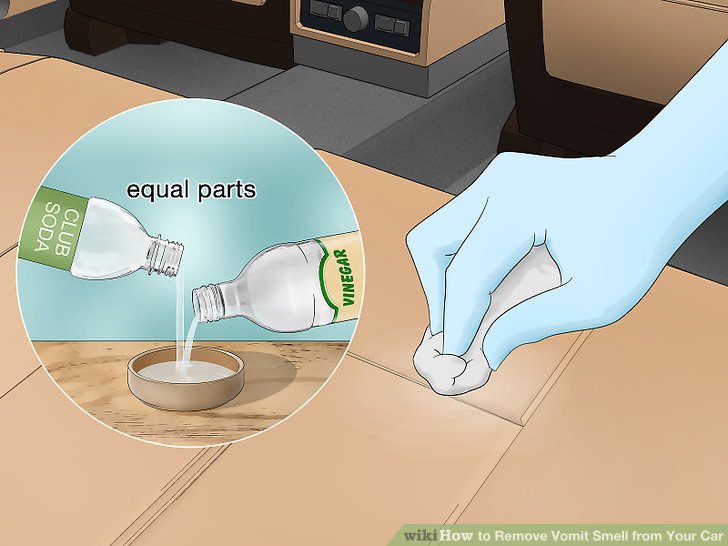
- Blot, Don't Rub: Use clean cloths or paper towels to blot up any remaining liquid. Rubbing will only spread the mess and force it deeper into the fibers. Imagine blotting a stain on the leather seats of a luxury sedan like a BMW 7 Series; you wouldn't want to rub and damage the delicate leather.
- Ventilate: Open all the car doors and windows to allow fresh air to circulate. This will help to dissipate some of the initial odor. If you have a sunroof, open that too.
Phase 2: Deep Cleaning and Deodorizing
Once you've removed the initial mess, it's time for a more thorough cleaning. This involves targeting the embedded residue and neutralizing the odor-causing compounds.
Option 1: DIY Cleaning Solutions
Several readily available household ingredients can be surprisingly effective at combating vomit odors:
- Baking Soda: This is a natural deodorizer and absorbent. Sprinkle a generous amount of baking soda over the affected area and let it sit for several hours, or even overnight. The baking soda will absorb the remaining moisture and odor. Vacuum thoroughly afterwards. This is similar to how you might use baking soda to absorb odors in your refrigerator, just on a larger scale and for a different type of unpleasant smell.
- Vinegar and Water Solution: Mix equal parts white vinegar and water in a spray bottle. Lightly spray the affected area and blot with a clean cloth. Vinegar is a natural disinfectant and odor neutralizer. Test this on an inconspicuous area first to ensure it doesn't discolor your upholstery, especially on sensitive materials like Alcantara found in some high-performance cars like the Porsche 911 GT3.
- Enzyme Cleaner: These cleaners contain enzymes that break down the organic compounds responsible for the odor. They are particularly effective at targeting the proteins and fats found in vomit. Follow the product instructions carefully. You can find enzyme cleaners specifically designed for pet stains, which are often effective on vomit as well.
Option 2: Professional Cleaning Products
If DIY solutions aren't cutting it, consider using professional-grade cleaning products designed for car interiors. These products often contain stronger detergents and deodorizers that can tackle stubborn odors.
- Upholstery Cleaner: Choose an upholstery cleaner that is specifically formulated for the type of material in your car's interior. Some cleaners are designed for fabric, while others are better suited for leather or vinyl. Always test the cleaner on an inconspicuous area first to ensure it doesn't cause discoloration or damage. Think of the delicate leather in a vintage Jaguar E-Type; you'd want to be extra careful with your choice of cleaner.
- Carpet Cleaner: A dedicated carpet cleaner with a built-in brush can help to loosen embedded dirt and grime. Use the cleaner according to the product instructions and be sure to vacuum thoroughly afterwards. Consider a carpet cleaner designed for automotive use; these often have attachments for getting into tight spaces.
- Ozone Generator (Use with Extreme Caution): Ozone generators produce ozone gas, which can neutralize odors and kill bacteria. However, ozone is also harmful to humans and pets, so it's crucial to use an ozone generator safely and according to the manufacturer's instructions. Never use an ozone generator in an occupied vehicle. After treatment, ventilate the car thoroughly before driving it. Professionals often use ozone generators to eliminate stubborn odors in used cars, like removing the cigarette smell from a previously smoked-in vehicle.
Detailed Cleaning Steps
- Vacuum Thoroughly: Before applying any cleaning solutions, vacuum the affected area to remove any loose debris. Use a crevice tool to get into tight spaces.
- Apply Cleaning Solution: Apply your chosen cleaning solution according to the product instructions. Avoid over-saturating the area, as this can lead to mold growth.
- Agitate the Surface: Use a brush or sponge to gently agitate the surface, working the cleaning solution into the fibers.
- Blot and Extract: Use a clean cloth or a wet/dry vacuum to blot up the cleaning solution and any remaining residue. Repeat this process until the cloth or vacuum is coming up clean.
- Dry Thoroughly: Allow the area to dry completely. You can use a fan or a dehumidifier to speed up the drying process. Leaving moisture behind can lead to mold growth and a return of the odor.
Phase 3: Long-Term Odor Control
Even after a thorough cleaning, lingering odors can sometimes persist. Here are some tips for preventing the smell from returning:
- Air Fresheners: Use air fresheners to mask any lingering odors. Choose a scent that you find pleasant and that isn't overpowering. Consider natural air fresheners, such as essential oil diffusers, which can provide a subtle and refreshing scent.
- Activated Charcoal Bags: Activated charcoal is a natural odor absorber. Place a few activated charcoal bags in your car to help absorb any lingering odors. These are particularly useful in enclosed spaces.
- Regular Cleaning: Regularly clean your car's interior to prevent the buildup of dirt, grime, and odors. Vacuum the carpets and upholstery regularly, and wipe down surfaces with a damp cloth.
Practical Takeaways
- Act Fast: The sooner you address the vomit, the easier it will be to remove the smell.
- Blot, Don't Rub: Rubbing will only spread the mess and force it deeper into the fibers.
- Choose the Right Cleaning Solution: Select a cleaning solution that is appropriate for the type of material in your car's interior.
- Dry Thoroughly: Allowing the area to dry completely is crucial to prevent mold growth and a return of the odor.
- Consider Professional Help: If you've tried everything and the smell persists, consider hiring a professional detailing service. They have the equipment and expertise to tackle even the most stubborn odors.
By following these steps, you can successfully remove the smell of vomit from your car and restore a fresh and clean driving environment. Remember that patience and persistence are key, and with the right approach, you can conquer even the most unpleasant odors.