
How To Remove Wheel Lock Nuts Without Key
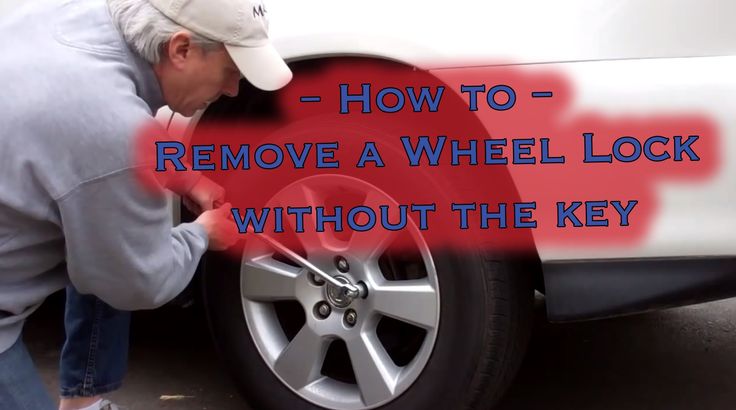
Wheel lock nuts, those seemingly small but crucial pieces of hardware, are designed to prevent theft. However, they can become a major headache when the corresponding key is lost, broken, or misplaced. While your first recourse should always be to locate the original key or contact the manufacturer for a replacement, sometimes time is of the essence or those options aren't feasible. In these situations, understanding the various methods for removing wheel lock nuts without the key becomes invaluable. This article will detail some of the most common and effective techniques, emphasizing safety and potential risks involved.
Impact Socket Method
This method is generally considered one of the safest and most reliable ways to remove a wheel lock nut without the key, provided you exercise caution and possess the right tools. It leverages the brute force of an impact wrench combined with a slightly smaller, sacrificial impact socket. Here's the breakdown:
- Preparation: Gather your tools. You'll need a high-quality impact wrench (preferably a powerful cordless model), a set of impact sockets (metric or SAE, depending on your vehicle), a hammer, safety glasses, and gloves. It's also a good idea to have some penetrating oil on hand.
- Socket Selection: Choose an impact socket that is *slightly* smaller than the outer diameter of the wheel lock nut. This is crucial for the socket to grip the nut aggressively. Trying several sockets might be necessary to find the best fit.
- Forcing the Fit: Place the selected socket over the wheel lock nut. If it doesn't quite fit, gently tap the socket onto the nut using a hammer. The goal is to create a tight, forced fit that will allow the impact wrench to grip. Be careful not to damage the surrounding wheel.
- Applying the Impact Wrench: Connect the impact socket to the impact wrench and set the wrench to the highest torque setting. Carefully position the socket squarely onto the wheel lock nut and apply consistent pressure.
- Loosening the Nut: Activate the impact wrench in short bursts. The impact action, combined with the forced fit of the socket, should gradually loosen the lock nut. If it doesn't budge after a few attempts, try applying penetrating oil around the nut and letting it soak for a few minutes before trying again.
- Final Removal: Once the lock nut is loose, you can typically unscrew it the rest of the way by hand or with a regular wrench.
Important Considerations: This method works best on relatively undamaged lock nuts. Severely damaged or rounded-off nuts may require more aggressive techniques. Always wear safety glasses to protect your eyes from flying debris. Using excessive force can damage the wheel, so proceed with caution.
Wheel Lock Removal Tools
Several specialized tools are available specifically for removing wheel lock nuts without the key. These tools generally feature hardened steel construction and a reverse-threaded design that bites into the lock nut as you turn. Here's a general overview of how they work:
- Selection: Choose a wheel lock removal tool that is compatible with the size and type of your wheel lock nut. Several different types exist, so research is key.
- Preparation: Clean the area around the wheel lock nut and apply penetrating oil.
- Installation: Follow the manufacturer's instructions for installing the removal tool onto the wheel lock nut. This typically involves hammering or pressing the tool onto the nut to create a secure grip.
- Removal: Use a wrench or socket to turn the removal tool counterclockwise. The reverse threads will bite into the lock nut, allowing you to unscrew it.
Pros: These tools are specifically designed for the job and often provide a more reliable grip than using a standard impact socket. Cons: They can be more expensive than other methods, and the quality varies significantly between brands. Choosing a high-quality tool is crucial to avoid damaging the wheel or the removal tool itself.
Welding Method (Use with Extreme Caution)
This method involves welding a standard nut or bolt to the wheel lock nut to create a new point of leverage. This is generally considered a last resort due to the high risk of damaging the wheel and potentially creating a fire hazard. Only attempt this if you have extensive welding experience and access to appropriate safety equipment.
Procedure: Clean the area around the wheel lock nut thoroughly. Carefully position a sacrificial nut or bolt (slightly larger than the lock nut) over the lock nut. Weld the two together using a high-quality welder. Ensure a strong and complete weld to avoid the weld breaking during removal. Allow the weld to cool completely before attempting to remove the assembly. Use a wrench to turn the welded nut or bolt counterclockwise, unscrewing the lock nut from the wheel stud.
Dangers: This method poses a significant risk of damaging the wheel with weld spatter or excessive heat. It also carries the risk of fire if flammable materials are nearby. Only attempt this if you are a skilled welder and can take all necessary safety precautions.
Professional Assistance
If you're uncomfortable attempting any of these methods yourself, the best course of action is to seek professional assistance. Automotive mechanics and tire shops often have specialized tools and experience in removing wheel lock nuts without the key. They can typically remove the nuts quickly and safely, minimizing the risk of damage to your vehicle. While there is a cost involved, this is often the most prudent approach, especially if you lack the necessary tools or expertise.