
How To Remove Wiper Marks From Windshield
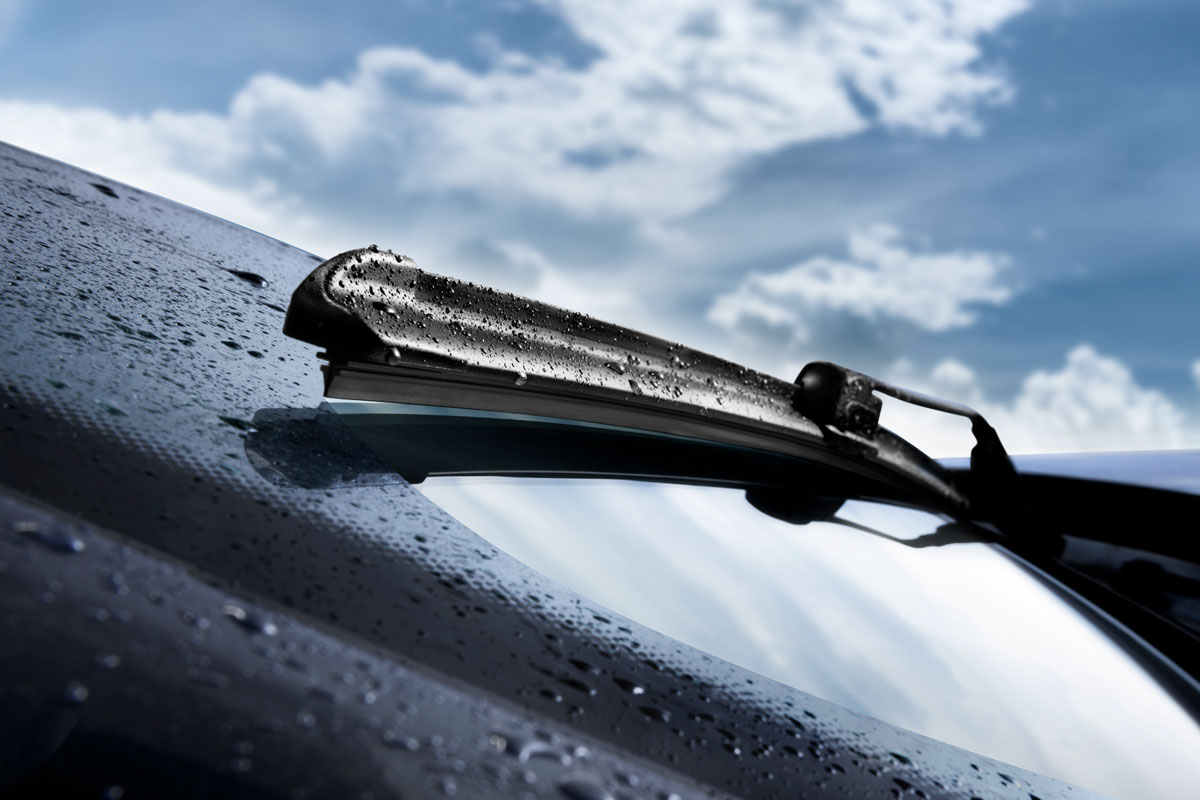
Streaky, smeared, and scratched windshields are a common annoyance for drivers. Often, these imperfections are caused by worn or damaged windshield wipers, leaving behind unsightly wiper marks that can obstruct your view and compromise safety. But don't despair! You don't always need a professional detailer or a costly windshield replacement. This guide will walk you through effective methods for how to remove wiper marks from your windshield and restore its clarity.
Understanding Wiper Marks and Their Causes
Before diving into the solutions, it's crucial to understand what causes these frustrating marks in the first place. Knowing the root cause can help you prevent future occurrences.
- Dirty or Worn Wiper Blades: This is the most common culprit. Over time, wiper blades accumulate dirt, debris, and road grime. The rubber also deteriorates from sun exposure and constant use, causing it to harden, crack, or become uneven. These imperfections then scratch the windshield as the wipers move across the glass.
- Debris on the Windshield: Sand, grit, tree sap, and other debris can act like sandpaper when caught between the wiper blades and the windshield.
- Dry Wiping: Operating your wipers on a dry windshield is a surefire way to create scratches. Always use windshield washer fluid.
- Improper Wiper Blade Installation: If the wiper blades aren't properly installed or are the wrong size, they can exert uneven pressure on the windshield, leading to streaks and scratches.
- Hard Water Stains: While not technically wiper marks, hard water deposits can create a film that resembles streaks, especially after using the windshield wipers.
Assessing the Severity of the Damage
The method you choose for removing wiper marks will depend on the severity of the damage. Light streaks and water spots are relatively easy to address, while deeper scratches may require more aggressive techniques or professional intervention.
- Light Streaks: These are superficial marks that appear as faint lines across the windshield. They're often caused by dirt or a light film.
- Hazing: A general cloudiness or dullness across the windshield, often exacerbated by nighttime glare.
- Water Spots: Circular or irregular spots caused by mineral deposits from hard water.
- Scratches: Visible grooves in the glass that you can often feel with your fingernail. Deep scratches typically require professional attention.
DIY Methods for Removing Wiper Marks
Here are several DIY methods you can try to remove wiper marks from your windshield, starting with the least abrasive options:
1. Cleaning with Vinegar and Baking Soda Paste
This gentle abrasive can help remove light streaks and water spots.
- Clean the windshield thoroughly with glass cleaner and a microfiber cloth.
- Mix equal parts baking soda and white vinegar to create a paste.
- Apply the paste to the affected areas using a clean, damp cloth.
- Gently rub the paste in a circular motion for a few minutes.
- Rinse the windshield thoroughly with clean water.
- Dry with a clean microfiber cloth.
2. Using a Glass Polishing Compound
Glass polishing compounds are designed to remove minor imperfections from glass surfaces. Look for a product specifically formulated for automotive glass.
- Clean the windshield thoroughly.
- Apply a small amount of glass polishing compound to a microfiber applicator pad.
- Using a circular motion and moderate pressure, polish the affected areas.
- Follow the manufacturer's instructions regarding polishing time.
- Remove any residue with a clean, damp microfiber cloth.
- Dry the windshield.
3. Cerium Oxide Polish
Cerium oxide is a more abrasive polishing compound and should be used with caution. It's effective for removing slightly deeper scratches but can damage the glass if used incorrectly.
- Clean the windshield thoroughly.
- Mix cerium oxide powder with water to create a slurry (follow product instructions).
- Apply the slurry to a polishing pad attached to a rotary polisher. (Caution: a rotary polisher is recommended for even application and to prevent damage).
- Polish the affected area at a low speed, using even pressure.
- Periodically check the windshield to avoid overheating and damaging the glass.
- Rinse the windshield thoroughly.
- Dry with a clean microfiber cloth.
4. Using a Razor Blade (For Superficial Debris ONLY)
Only attempt this method for removing stubborn, stuck-on debris like tree sap or bird droppings. **Never use a razor blade on a dry windshield or for removing scratches.**
- Thoroughly wet the affected area with glass cleaner.
- Hold the razor blade at a very shallow angle (almost flat) against the glass.
- Gently scrape the debris away, using short, overlapping strokes.
- Wipe away the debris with a clean microfiber cloth.
- Clean the windshield again to remove any residue.
When to Seek Professional Help
While DIY methods can be effective for addressing minor wiper marks, some situations require professional attention.
- Deep Scratches: If you can easily feel the scratches with your fingernail, they are likely too deep for DIY repair. Attempting to remove them yourself could worsen the damage.
- Extensive Damage: If a large portion of your windshield is covered in wiper marks, it's best to consult a professional.
- Distorted Vision: If the wiper marks are significantly impairing your vision, especially at night or in wet conditions, prioritize your safety and seek professional help immediately.
Preventing Future Wiper Marks
Prevention is always better than cure. Here's how to minimize the risk of future wiper marks:
- Replace Wiper Blades Regularly: As a general rule, replace your wiper blades every 6-12 months, or sooner if you notice signs of wear and tear.
- Clean Wiper Blades Regularly: Use a damp cloth to wipe down your wiper blades every few weeks to remove dirt and debris.
- Use Quality Windshield Washer Fluid: Avoid using plain water or soap solutions, as they can leave streaks and promote corrosion. Choose a reputable windshield washer fluid that contains cleaning agents and antifreeze.
- Clear Debris Before Using Wipers: Before using your wipers, remove any loose debris from the windshield, such as leaves, twigs, or ice.
- Avoid Dry Wiping: Always use windshield washer fluid when operating your wipers.
- Consider a Windshield Coating: Applying a hydrophobic windshield coating can help repel water, dirt, and debris, making it easier to keep your windshield clean and reducing the need for frequent wiper use.
- Park in Shaded Areas: Prolonged exposure to sunlight can accelerate the deterioration of wiper blades. Parking in shaded areas can help extend their lifespan.
Conclusion
Removing wiper marks from your windshield is achievable with the right techniques and products. By understanding the causes of these marks and implementing preventative measures, you can maintain a clear and safe view of the road. Remember to assess the severity of the damage before attempting any DIY repairs, and don't hesitate to seek professional help when needed. A clean and clear windshield is essential for safe driving, so take the time to address those pesky wiper marks and enjoy a better driving experience.