
How To Repair Peeling Clear Coat On A Car
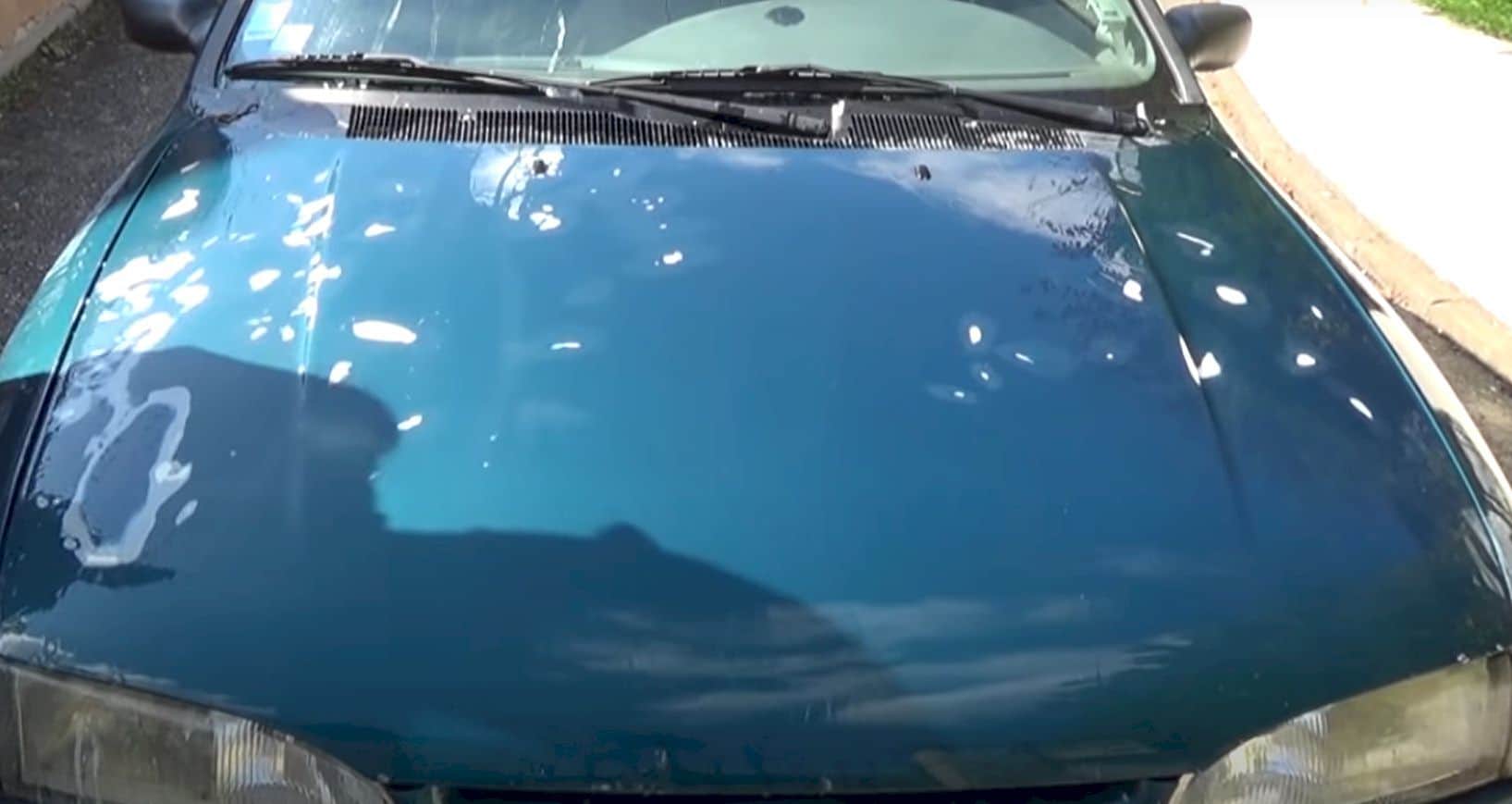
Peeling clear coat is a common affliction for vehicles, particularly those exposed to harsh environments and prolonged sunlight. For automotive professionals, understanding the causes, repair methods, and preventive measures is crucial for providing quality service and ensuring customer satisfaction. This article delves into the technical aspects of clear coat failure, explores various repair techniques, compares their pros and cons, and touches upon future trends in automotive coatings.
Understanding Clear Coat Failure
Clear coat, the outermost layer of a vehicle's paint system, is designed to protect the base coat from UV radiation, oxidation, and physical damage. It's typically a 2K (two-component) polyurethane or acrylic urethane formulation. Failure occurs when the clear coat loses adhesion to the base coat or degrades internally. The primary culprit is UV radiation, which breaks down the polymer chains within the clear coat, causing it to become brittle and eventually crack. This is often accelerated by environmental factors such as acid rain, bird droppings, and industrial fallout. Inadequate surface preparation during the original paint application, or using incompatible materials, can also lead to premature clear coat failure.
From an engineering standpoint, the choice of resin, hardener, and additives in the clear coat formulation significantly impacts its durability and resistance to degradation. Polyurethane clear coats, generally considered more durable and UV-resistant than acrylic urethanes, are often preferred for high-performance applications. However, they can be more difficult to apply and may require specialized equipment.
Repair Options: A Comparative Analysis
Several options exist for repairing peeling clear coat, each with its own set of advantages and disadvantages:
1. Spot Repair/Blending
Description: This involves sanding down the affected area, blending the new clear coat into the existing finish, and polishing to a seamless transition. Pros: Least expensive option, suitable for small areas of damage, faster turnaround time. Cons: Difficult to achieve a perfect match, especially with metallic paints, may not be a long-term solution if the underlying issue is widespread, potential for "haloing" if the blending isn't executed properly. Requires a high degree of skill and a precise understanding of color matching techniques. Consider the Viscosity of the clear coat as it blends. Thicker clear coats may require more aggressive blending. Real-world performance: Best suited for minor damage and experienced technicians. Longevity depends heavily on the quality of the materials and the skill of the applicator.
2. Full Panel Repaint
Description: Sanding the entire panel down to bare metal (or primer, depending on the extent of damage), applying a new base coat and clear coat. Pros: Provides a uniform and durable finish, addresses underlying issues, allows for correction of imperfections in the original paint. Cons: More expensive and time-consuming than spot repair, requires careful color matching, potential for inconsistencies with adjacent panels if not blended properly. OEM paint codes are critical for achieving a correct color match. Real-world performance: Offers superior durability and aesthetic appeal compared to spot repair, provided it's done correctly. Long-term reliability is high when using quality materials and following proper application procedures.
3. Full Vehicle Repaint
Description: Stripping the entire vehicle down to bare metal (or existing primer), applying a new base coat and clear coat to the entire vehicle. Pros: Restores the vehicle to a like-new appearance, provides a uniform finish across the entire vehicle, allows for color changes (if desired). Cons: Most expensive and time-consuming option, requires extensive disassembly and reassembly, potential for damage to other components during the process. Surface preparation is absolutely vital to ensure proper adhesion of the new paint system. Real-world performance: Delivers the best possible results in terms of appearance and durability, but the cost and complexity make it a less common choice for simply repairing peeling clear coat.
4. Clear Coat Recoat (Sanding and Clear Coating)
Description: Carefully sanding the existing clear coat to provide a mechanical key for the new clear coat to adhere to. Application of new clear coat layers follows.
Pros: Addresses clear coat failure without necessarily disturbing the base coat, potentially less expensive than a full repaint, good option if the base coat is still in good condition.
Cons: Requires meticulous sanding to ensure proper adhesion, potential for clear coat failure if sanding is insufficient, may not address underlying issues if the initial clear coat failure was due to base coat contamination. Sanding grit selection is critical to avoid excessive material removal. Real-world performance: A cost-effective solution when executed correctly, but requires experience and attention to detail to prevent future problems. Adhesion promoters may be helpful.
Reliability and Maintenance
Regardless of the chosen repair method, several factors contribute to the long-term reliability of the clear coat: * Proper surface preparation: This includes thorough cleaning, degreasing, and sanding to ensure proper adhesion. * Using high-quality materials: Opting for reputable brands of clear coat, hardeners, and thinners will result in a more durable and UV-resistant finish. * Following manufacturer's instructions: Adhering to the recommended mixing ratios, application techniques, and curing times is essential.
Maintenance plays a crucial role in preserving the integrity of the clear coat. Regular washing, waxing, and polishing can help remove contaminants and protect the paint from UV radiation. Applying a ceramic coating can provide an extra layer of protection and enhance the gloss of the finish. Encourage clients to avoid parking their cars in direct sunlight for extended periods.
Future Trends
The automotive coatings industry is constantly evolving. We're seeing a shift towards more environmentally friendly, water-based coatings that offer comparable performance to solvent-based products. Self-healing clear coats, which can repair minor scratches and swirl marks, are also gaining traction. Additionally, advancements in nanotechnology are leading to coatings with enhanced UV resistance, scratch resistance, and hydrophobic properties. The use of AI-powered color matching systems is improving accuracy and efficiency in paint repair shops.
Conclusion
Repairing peeling clear coat requires a thorough understanding of the underlying causes, available repair methods, and proper maintenance techniques. By staying informed about the latest advancements in automotive coatings and adhering to best practices, automotive professionals can deliver high-quality repairs that enhance the appearance and longevity of their customers' vehicles. The future points towards even more durable, environmentally-friendly, and technologically advanced coatings, necessitating continuous learning and adaptation within the automotive repair industry. The integration of smart coatings that can detect and report damage could also revolutionize maintenance practices in the future, allowing for proactive repairs and preventing more extensive damage.