
How To Replace An Expansion Valve
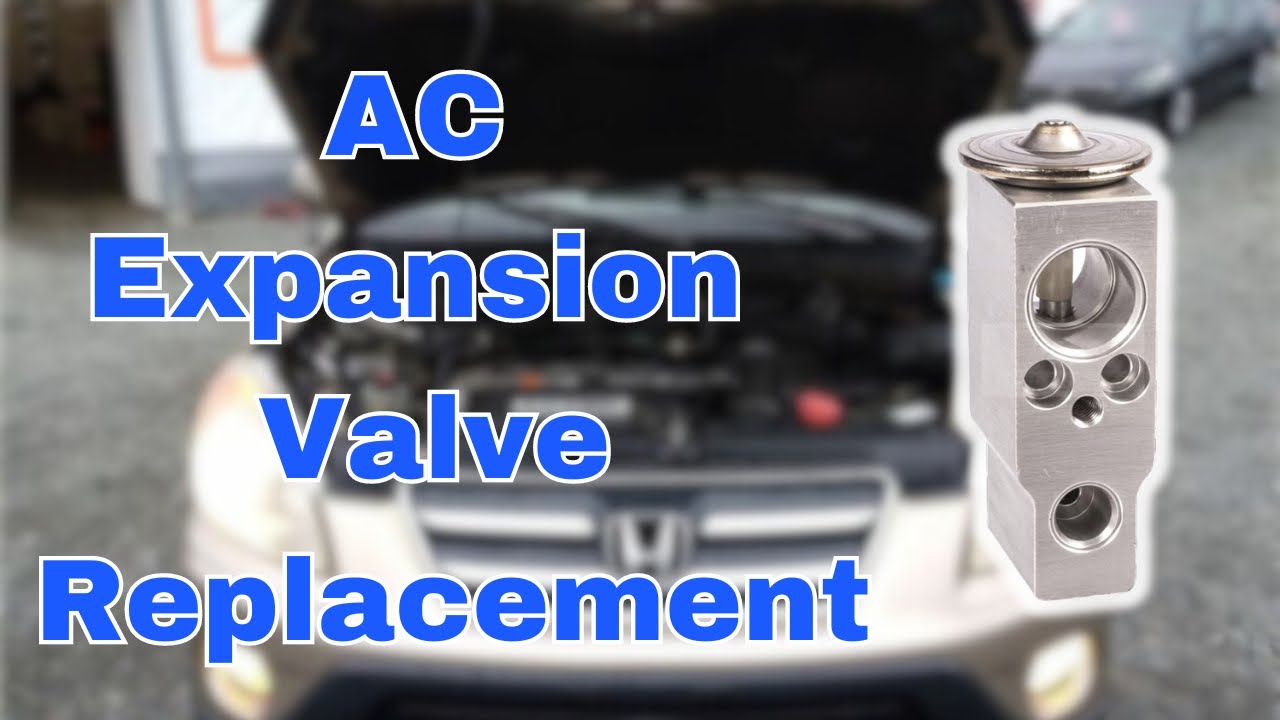
The expansion valve is a crucial component in your vehicle's air conditioning system. Its primary function is to regulate the flow of refrigerant into the evaporator, where it expands and cools the air. A faulty expansion valve can lead to a variety of AC problems, including insufficient cooling, fluctuating temperatures, or even a complete loss of AC function. While it's always best to consult a qualified mechanic, understanding the replacement process can empower you to make informed decisions and potentially save money on repairs. This article provides a step-by-step guide on how to replace an expansion valve. However, please note that working with refrigerants requires specialized tools and knowledge. If you are not comfortable working with refrigerants, it is highly recommended to seek professional assistance.
Identifying a Bad Expansion Valve
Before diving into the replacement process, it's important to accurately diagnose whether the expansion valve is indeed the culprit. Here are some common symptoms of a failing expansion valve:
- Insufficient Cooling: The most obvious sign. The AC system simply doesn't blow cold air, or the air isn't as cold as it used to be.
- Fluctuating AC Temperature: The air conditioner might blow cold air intermittently, followed by warm air.
- Icing on the Evaporator: A restricted or malfunctioning expansion valve can cause ice to form on the evaporator core.
- High or Low AC System Pressures: Using AC manifold gauges, you might observe abnormal high-side and low-side pressures. A blocked expansion valve typically causes a low low-side pressure and a high high-side pressure.
- Hissing Sound: You might hear a hissing sound coming from the expansion valve area, even when the AC is off. This can indicate a leak or a restriction within the valve.
It's crucial to rule out other potential causes before replacing the expansion valve. These include a low refrigerant charge, a faulty compressor, a clogged condenser, or a malfunctioning blend door actuator.
Tools and Materials Needed
To replace an expansion valve, you'll need the following tools and materials:
- New Expansion Valve: Make sure it's the correct part for your vehicle's make, model, and year.
- AC Manifold Gauge Set: Essential for measuring system pressures during evacuation and recharge.
- Vacuum Pump: Needed to evacuate the AC system of air and moisture.
- Refrigerant: The correct type and amount specified for your vehicle.
- Refrigerant Recovery Machine (Optional, but highly recommended): A much safer and environmentally responsible way to remove old refrigerant.
- Wrench Set: For disconnecting and reconnecting refrigerant lines.
- Screwdrivers (various sizes): For removing trim panels and accessing the expansion valve.
- O-ring Removal Tool: To safely remove and replace O-rings on refrigerant lines.
- New O-rings: Always replace O-rings when disconnecting refrigerant lines.
- Safety Glasses and Gloves: Protect your eyes and skin from refrigerant.
- Penetrating Oil: To loosen stubborn fittings.
- Torque Wrench: To tighten fittings to the correct torque specifications.
- Service Manual: Contains specific instructions and torque specifications for your vehicle.
Step-by-Step Guide to Replacing an Expansion Valve
Safety First: Work in a well-ventilated area and wear safety glasses and gloves to protect yourself from refrigerant. Remember that refrigerant can cause frostbite. If you are not comfortable working with refrigerant, seek professional assistance.
Step 1: Recover the Refrigerant
This is the most important step. Never vent refrigerant into the atmosphere. It's illegal and harmful to the environment.
Using a refrigerant recovery machine, recover the refrigerant from the AC system. Follow the machine's instructions carefully. If you don't have access to a recovery machine, take your vehicle to a qualified mechanic to have the refrigerant professionally recovered.
Step 2: Disconnect the Battery
Disconnect the negative terminal of the battery to prevent electrical shorts during the repair process.
Step 3: Locate the Expansion Valve
The expansion valve is typically located near the evaporator core, often inside the HVAC housing under the dashboard. Consult your vehicle's service manual to find the exact location of the expansion valve. Access may require removing trim panels, the glove box, or other components.
Step 4: Disconnect Refrigerant Lines
Carefully disconnect the refrigerant lines from the expansion valve. Use a wrench to loosen the fittings. Be prepared for a small amount of residual refrigerant or oil to escape, even after recovery. Use penetrating oil if the fittings are stubborn. Use an O-ring removal tool to remove the old O-rings from the fittings. Immediately cap the open lines to prevent contamination from moisture and debris.
Step 5: Remove the Old Expansion Valve
Once the refrigerant lines are disconnected, remove any mounting bolts or screws that secure the expansion valve. Carefully remove the old expansion valve from its housing.
Step 6: Install the New Expansion Valve
Install the new expansion valve in the reverse order of removal. Make sure to use new O-rings on all refrigerant line connections. Lightly lubricate the O-rings with refrigerant oil to ensure a good seal.
Step 7: Reconnect Refrigerant Lines
Reconnect the refrigerant lines to the new expansion valve. Tighten the fittings to the torque specifications specified in your vehicle's service manual. Do not overtighten.
Step 8: Evacuate the AC System
Connect a vacuum pump to the AC system and evacuate it for at least 30-45 minutes. This removes air and moisture from the system. Monitor the vacuum gauge to ensure there are no leaks. If the vacuum doesn't hold, check for leaks at the connections.
Step 9: Recharge the AC System
Recharge the AC system with the correct type and amount of refrigerant specified for your vehicle. Use an AC manifold gauge set to monitor the system pressures during the recharge process. Refer to your vehicle's service manual or a refrigerant chart for the correct charging procedure and pressure readings.
Step 10: Test the AC System
Start the engine and turn on the AC system. Check for proper cooling and airflow. Monitor the system pressures to ensure they are within the normal operating range. Listen for any unusual noises. If the AC system is working properly, you have successfully replaced the expansion valve.
Step 11: Reassemble and Clean Up
Reinstall any trim panels or components that were removed during the repair process. Clean up any spills or debris.
Important Considerations and Cautions
- Refrigerant Handling: Always handle refrigerant with care and follow all safety precautions. Refrigerant can cause frostbite and is harmful to the environment.
- Proper Tools: Using the correct tools is essential for a successful repair. Incorrect tools can damage components and lead to leaks.
- Torque Specifications: Tighten all fittings to the correct torque specifications to prevent leaks.
- Cleanliness: Keep all components clean during the repair process to prevent contamination.
- Vacuuming: Proper evacuation is crucial for removing air and moisture from the system. Insufficient evacuation can lead to poor cooling performance.
- Refrigerant Type and Amount: Use the correct type and amount of refrigerant specified for your vehicle. Using the wrong refrigerant or overcharging the system can damage the AC system.
- Leak Testing: After recharging the system, check for leaks at all connections.
- Professional Assistance: If you are not comfortable working with refrigerant or are unsure about any aspect of the repair process, seek professional assistance from a qualified mechanic.
Replacing an expansion valve can be a challenging task, but with the right tools, knowledge, and precautions, it's a repair that many DIYers can tackle. Remember to prioritize safety and always consult your vehicle's service manual for specific instructions. If you encounter any difficulties or are unsure about any step, don't hesitate to seek professional assistance.