
How To Replace Brake Shoes On Drum Brakes
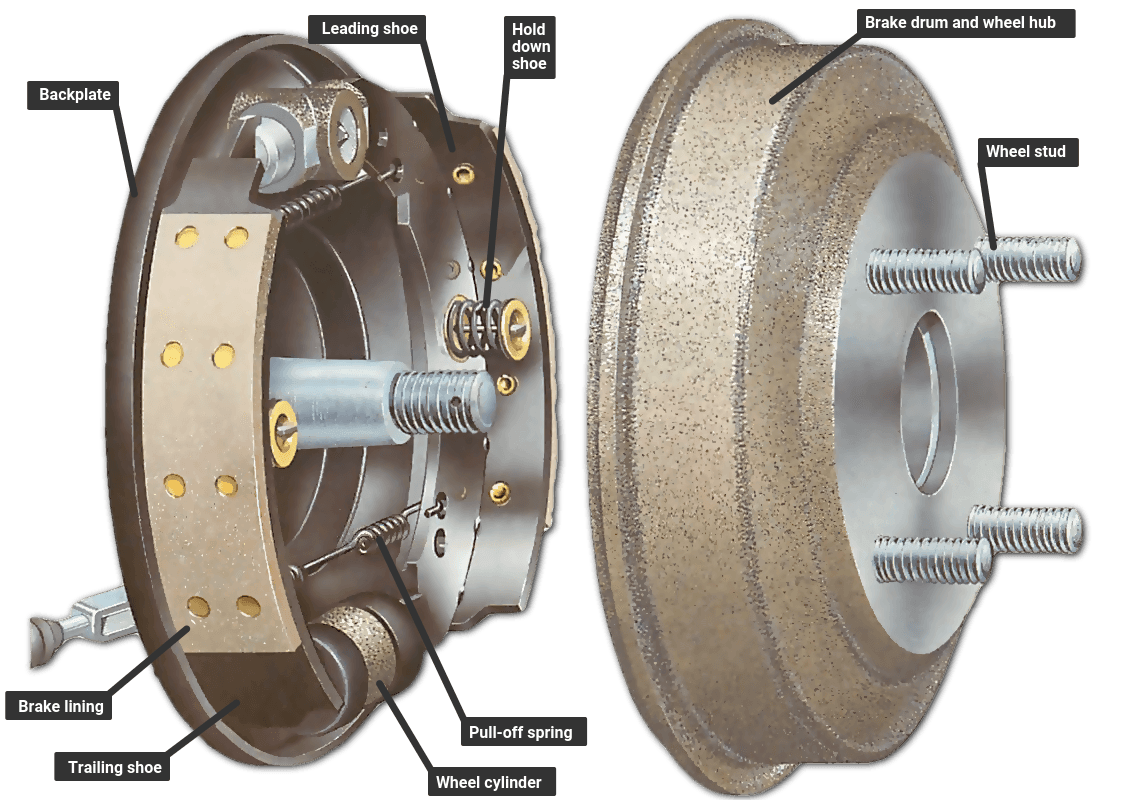
Replacing brake shoes on drum brakes is a fundamental skill for automotive technicians. While disc brakes have become more prevalent, drum brakes remain common, particularly on rear axles of smaller vehicles and older models due to their cost-effectiveness and inherent parking brake capability. This article delves into the procedure, engineering principles, alternative braking systems, and the future of drum brake technology.
Disassembly and Inspection
Before commencing, safety is paramount. Always disconnect the negative battery terminal and chock the wheels. Securely lift the vehicle using a jack and support it with jack stands placed at designated jacking points. Remove the wheel. The crucial first step is overcoming the drum. If the drum resists removal, it's likely due to rust or the brake shoes catching on the drum's inner lip created by wear. A specialized brake drum removal tool, or careful tapping around the drum's circumference, can often loosen it. Avoid excessive force, as this could damage the wheel studs or the drum itself.
Once the drum is off, a thorough inspection is essential. Examine the brake shoes for even wear, thickness, and contamination from brake fluid or grease. A minimum shoe thickness specification is typically stamped on the shoe or available in the vehicle's service manual. Look for cracks or delamination of the friction material. Inspect the drum's inner surface for scoring, cracks, or excessive wear. Measure the drum's inner diameter; exceeding the maximum diameter specification necessitates drum replacement. The backing plate should be free of cracks and excessive rust. Examine the wheel cylinder for leaks or damage. A leaking wheel cylinder must be replaced. The brake hardware, including springs, retainers, and adjusters, should be inspected for corrosion, breakage, and proper tension. Weak or broken springs compromise brake performance and longevity.
Replacement Procedure
Begin by disconnecting the parking brake cable, if equipped. Use brake spring pliers to safely remove the brake shoe return springs. These springs are under considerable tension, so eye protection is mandatory. Disconnect the shoe hold-down springs and remove the shoes, adjuster assembly, and any other hardware. Note the position of all components before removal to facilitate reassembly. A digital photograph can be an invaluable reference. Thoroughly clean the backing plate and inspect the wheel cylinder boots for tears or leaks. Lubricate the backing plate contact points with a high-temperature brake grease. Assemble the new brake shoes, hardware, and adjuster. Ensure the adjuster threads are clean and lightly lubricated. Install the parking brake lever onto the new brake shoe (if equipped). Carefully reassemble the brake shoes, ensuring the shoes are properly seated against the wheel cylinder pistons and the adjuster mechanism. Reinstall the shoe hold-down springs and the return springs. Reconnect the parking brake cable.
Adjustment and Final Steps
Correct brake shoe adjustment is critical for proper brake function. Adjust the brake shoes until they lightly drag against the drum when rotated by hand. Most drum brake systems feature a self-adjusting mechanism, typically activated when the parking brake is applied or when the brakes are applied in reverse. However, a manual initial adjustment is often necessary. Reinstall the brake drum and secure it with the wheel. Torque the wheel nuts to the manufacturer's specifications. Bleed the brake system to remove any air that may have entered during the wheel cylinder replacement. Finally, test the brakes at low speeds to ensure proper function and pedal feel. Verify the parking brake holds the vehicle securely on an incline.
Alternatives: Disc Brakes
Disc brakes offer superior stopping power, particularly in wet conditions, due to their open design that allows for better heat dissipation and water displacement. They also tend to be less prone to fade under heavy braking. However, disc brakes are generally more expensive to manufacture and maintain. The open design is also more susceptible to corrosion and damage from road debris. Drum brakes, on the other hand, are less expensive and offer better parking brake performance due to their self-energizing effect. This self-energizing action increases the friction force as the brake is applied, improving holding power.
Pros and Cons
Drum Brakes:
Pros: Lower cost, better parking brake performance, simpler design (historically). Cons: Lower stopping power, prone to brake fade, more difficult to service, susceptible to contamination, less effective in wet conditions.
Disc Brakes:
Pros: Higher stopping power, better heat dissipation, less prone to brake fade, easier to service, more effective in wet conditions. Cons: Higher cost, poorer parking brake performance without dedicated parking brake calipers, more susceptible to corrosion and road debris damage.
Reliability and Maintenance
Drum brake reliability hinges on regular maintenance. Periodic inspection and cleaning are crucial to prevent rust and corrosion. Brake fluid should be flushed every two to three years to remove moisture and contaminants. Self-adjusting mechanisms should be inspected and lubricated regularly to ensure proper function. Over-adjustment can cause premature wear and overheating. Under-adjustment can lead to reduced braking performance and excessive travel in the brake pedal. Avoid using abrasive cleaners on brake components, as these can damage the friction material. Use a dedicated brake cleaner.
Future Trends
While disc brakes are becoming increasingly dominant, drum brakes are likely to remain in use for the foreseeable future, particularly in budget-conscious vehicles and specific applications where parking brake performance is paramount. Future trends may include improved drum brake materials and designs to enhance heat dissipation and reduce weight. Electronic parking brake (EPB) systems are increasingly integrated with disc brakes, offering improved convenience and safety features. Advancements in friction materials aim to improve brake performance, reduce noise, and minimize brake dust.
The automotive industry is in constant evolution. Advancements in technology, such as autonomous driving and electric vehicles, may further impact braking system design and requirements. Regenerative braking, prevalent in hybrid and electric vehicles, helps reduce reliance on friction brakes, extending their lifespan. However, the need for reliable and effective braking systems, regardless of the underlying technology, will remain paramount.