
How To Replace Downstream O2 Sensor
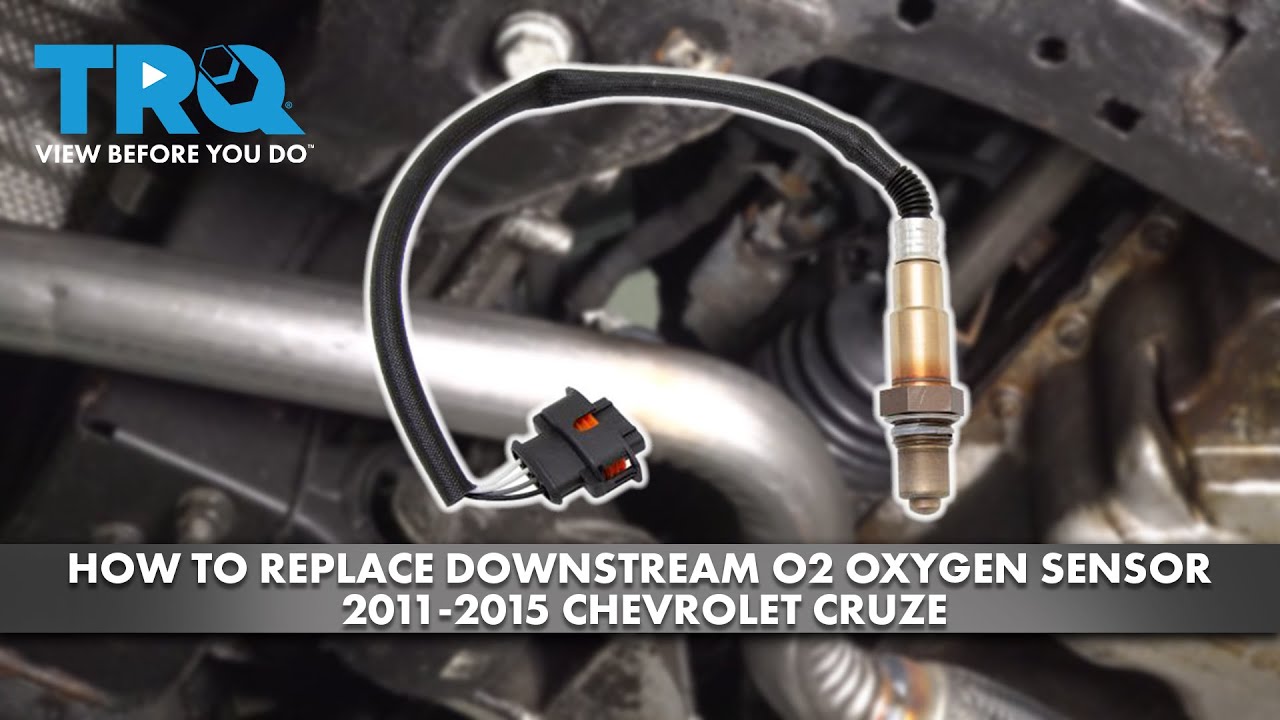
The downstream oxygen sensor, sometimes referred to as the post-catalytic converter O2 sensor, plays a vital role in your vehicle's emission control system. While the upstream sensor monitors exhaust gases before they enter the catalytic converter, the downstream sensor's primary function is to assess the efficiency of the converter itself. Replacing a faulty downstream O2 sensor is a task many experienced DIYers can tackle, saving both time and money compared to a trip to the mechanic. This comprehensive guide will walk you through the process, providing the knowledge and steps necessary for a successful replacement.
Understanding the Downstream O2 Sensor
Before diving into the replacement process, it's crucial to understand the sensor's function and why it might need replacing. The downstream O2 sensor monitors the oxygen content in the exhaust after it has passed through the catalytic converter. By comparing the oxygen levels before and after the converter, the engine control unit (ECU) can determine if the converter is effectively reducing harmful emissions. A failing or failed downstream O2 sensor will often trigger a check engine light and can lead to reduced fuel efficiency and, in some cases, failure to pass emissions testing.
Common symptoms of a failing downstream O2 sensor include:
- Check engine light illuminated (often accompanied by specific diagnostic trouble codes – DTCs – such as P0137, P0138, P0140, P0141, and similar codes indicating issues with Bank 1 Sensor 2 or Bank 2 Sensor 2).
- Decreased fuel economy (though this can be subtle).
- Failure to pass an emissions test.
- In some cases, rough idling or hesitation (less common than with a faulty upstream sensor).
While these symptoms can also indicate other problems, if they are accompanied by the relevant DTCs, the downstream O2 sensor is a prime suspect. Ignoring these symptoms can potentially lead to further damage to the catalytic converter itself, a far more expensive repair.
Tools and Materials Required
To successfully replace your downstream O2 sensor, you'll need the following tools and materials:
- New downstream O2 sensor (ensure it's the correct part for your vehicle's make, model, and engine – check your VIN).
- O2 sensor socket (a specialized socket with a slot for the sensor wires).
- Ratchet and socket set (various sizes, including those that fit the O2 sensor socket).
- Wrench set (various sizes for removing any heat shields or brackets).
- Penetrating oil (to loosen stubborn sensors).
- Torque wrench (for properly tightening the new sensor).
- Jack and jack stands (for safely lifting the vehicle).
- Wheel chocks (for safety).
- Gloves (to protect your hands).
- Safety glasses (to protect your eyes).
- Diagnostic scan tool (to clear the DTCs after replacement).
- Optional: Anti-seize compound (for the new sensor threads).
Important Safety Note: Always prioritize safety. Work in a well-ventilated area, wear safety glasses and gloves, and properly support the vehicle with jack stands before working underneath it. Never work under a vehicle supported only by a jack.
Step-by-Step Replacement Procedure
Follow these steps carefully to replace your downstream O2 sensor:
Step 1: Preparation and Safety
Engage the parking brake and chock the rear wheels. Loosen the lug nuts on the wheel(s) near the O2 sensor you'll be replacing. Use a jack to lift the vehicle and securely support it with jack stands. Remove the wheel(s) if necessary to gain better access to the sensor. Allow the exhaust system to cool completely before proceeding. Working on a hot exhaust system can cause burns.
Step 2: Locate the Downstream O2 Sensor
The downstream O2 sensor is located after the catalytic converter, typically on the exhaust pipe. It will have wires leading to a connector. Trace the wires to identify the connector and note its location for easy reconnection later. Depending on your vehicle, it may be more accessible from underneath or from the engine bay. Consult your vehicle's repair manual for specific location information.
Step 3: Disconnect the Electrical Connector
Carefully disconnect the electrical connector from the O2 sensor. Most connectors have a locking mechanism that needs to be disengaged before pulling them apart. Avoid pulling on the wires, as this can damage them. Use a small screwdriver or pick if necessary to release the locking tab.
Step 4: Remove the Old O2 Sensor
Apply penetrating oil to the threads of the O2 sensor where it screws into the exhaust pipe. Let it soak for at least 15-20 minutes to help loosen the sensor. Using the O2 sensor socket and ratchet, carefully loosen the sensor. It may require some force, especially if it's been in place for a long time. If the sensor is extremely stubborn, consider using a breaker bar for added leverage. Be careful not to round off the edges of the sensor. If it's completely seized, you may need to consult a professional mechanic to avoid damaging the exhaust pipe.
Step 5: Prepare the New O2 Sensor
Inspect the new O2 sensor to ensure it's the correct part and that the threads are clean. Some new O2 sensors come pre-coated with anti-seize compound. If yours doesn't, apply a small amount of anti-seize compound to the threads. Do not get any anti-seize compound on the sensor tip, as this can damage it and affect its performance.
Step 6: Install the New O2 Sensor
Carefully thread the new O2 sensor into the exhaust pipe by hand. Ensure it's properly aligned and doesn't cross-thread. Once it's hand-tight, use the O2 sensor socket and torque wrench to tighten it to the manufacturer's specified torque. Consult your vehicle's repair manual or the O2 sensor packaging for the correct torque specification. Overtightening can damage the sensor or the exhaust pipe.
Step 7: Reconnect the Electrical Connector
Reconnect the electrical connector to the new O2 sensor. Ensure the connector is fully seated and the locking mechanism is engaged. Double-check that the wires are routed correctly and won't be damaged by heat or moving parts.
Step 8: Final Steps and Testing
If you removed any heat shields or brackets, reinstall them. Reinstall the wheel(s) and torque the lug nuts to the manufacturer's specification. Lower the vehicle from the jack stands. Use a diagnostic scan tool to clear the DTCs related to the O2 sensor. Start the engine and let it idle for a few minutes. Check for any leaks around the O2 sensor. Monitor the engine performance and ensure the check engine light doesn't reappear.
Troubleshooting and Common Issues
Even with careful execution, some issues can arise during or after the O2 sensor replacement:
- Stubborn Sensor: If the old sensor is extremely difficult to remove, apply more penetrating oil and let it soak for a longer period. In extreme cases, you may need to use heat (with a propane torch, carefully applied) to loosen the threads. However, this is best left to a professional.
- Damaged Threads: If the threads in the exhaust pipe are damaged, you may need to have them repaired by a mechanic or, in severe cases, replace the exhaust pipe section.
- Check Engine Light Reappears: If the check engine light reappears after replacing the sensor, double-check the DTCs. It could indicate a problem with the new sensor, the wiring, or another component in the emission control system. Consider further diagnosis by a qualified mechanic.
- Incorrect Sensor: Ensure you've installed the correct O2 sensor for your vehicle. Using the wrong sensor can lead to inaccurate readings and performance issues.
Maintenance and Prevention
While O2 sensors are consumable parts, proper maintenance can help extend their lifespan. Ensure your engine is properly maintained, including regular oil changes, air filter replacements, and tune-ups. Avoid using leaded gasoline, as lead can damage O2 sensors. Regularly inspect your vehicle for exhaust leaks, as leaks can affect O2 sensor readings.
Cost Considerations
The cost of replacing a downstream O2 sensor can vary depending on the vehicle make, model, and the quality of the replacement sensor. A good quality aftermarket sensor can range from $50 to $150, while a genuine OEM sensor may cost more. Labor costs at a mechanic can add another $50 to $200 or more. By performing the replacement yourself, you can save significantly on labor costs. However, factor in the cost of the tools you may need to purchase.
Conclusion
Replacing a downstream O2 sensor is a manageable task for many DIYers with the right tools, knowledge, and a bit of patience. By following these detailed steps and taking necessary safety precautions, you can save money on repair costs and ensure your vehicle's emission control system is functioning properly. Remember to consult your vehicle's repair manual for specific instructions and torque specifications. If you're unsure about any step, it's always best to consult a qualified mechanic.