
How To Replace The Ac Compressor On A Car
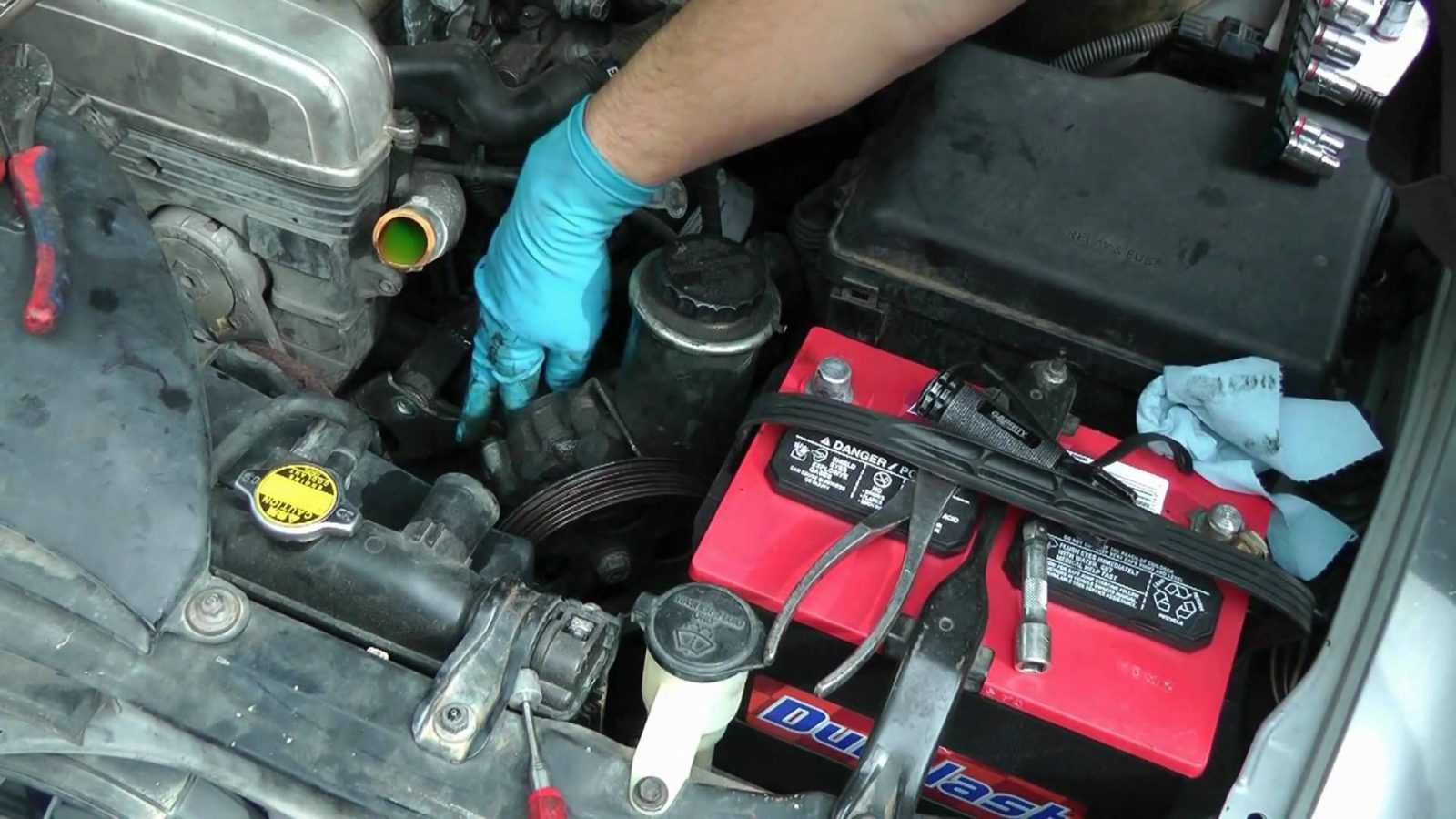
The familiar groan of a failing AC compressor on a sweltering summer day is a sound that still haunts many drivers, despite the rapid evolution of automotive technology. While the basic function of cooling a car's cabin remains the same, the methods, refrigerants, and overall system complexity are undergoing a radical transformation. Replacing an AC compressor, once a relatively straightforward task for a seasoned mechanic, is becoming increasingly nuanced, especially in the context of electric vehicles (EVs), hybrid systems, and advanced automotive solutions.
The Evolving Landscape of Automotive Cooling
The internal combustion engine (ICE) AC system, relying on a belt-driven compressor powered directly by the engine, is gradually being phased out. EVs and hybrids present entirely new challenges and opportunities for climate control. In an EV, the AC compressor is typically electrically driven, demanding a robust high-voltage system. This introduces a new level of complexity, requiring technicians to be trained in high-voltage safety protocols and diagnostics. The stakes are high; mishandling high-voltage components can be lethal.
Furthermore, the refrigerants themselves are changing. The shift away from older, ozone-depleting refrigerants like R-134a towards more environmentally friendly alternatives like R-1234yf is well underway. While R-1234yf has a significantly lower global warming potential, it is also mildly flammable, necessitating specialized equipment and training for its handling and recovery. The cost of this refrigerant is also considerably higher, making proper recovery and recycling even more crucial.
Replacing the AC Compressor in the Age of Electrification
The procedure for replacing an AC compressor varies significantly depending on the vehicle type. In a traditional ICE vehicle, the process generally involves: evacuating the refrigerant, disconnecting the lines, removing the old compressor, installing the new one, lubricating the system, and recharging the refrigerant. However, in an EV or hybrid, the process is far more involved. Here's a glimpse into the emerging best practices:
- High-Voltage Safety: The first and most crucial step is to properly disable the high-voltage system. This requires specialized tools and a thorough understanding of the vehicle's electrical architecture. Never attempt to work on an EV AC system without proper training and certification.
- Refrigerant Handling: Even with newer refrigerants, proper recovery and recycling are paramount. EV AC systems often use different types of refrigerant than ICE vehicles, so it's important to identify the correct refrigerant before servicing.
- Compressor Replacement: Removing and replacing the electric AC compressor requires disconnecting electrical connectors and refrigerant lines. These connectors are often complex and require specific tools to avoid damage.
- System Diagnostics: Modern vehicles rely heavily on sensors and electronic control units (ECUs) to manage the AC system. After replacing the compressor, it is essential to perform a thorough diagnostic scan to ensure all components are functioning correctly. This may involve clearing error codes, calibrating sensors, and performing system tests.
- Thermal Management: EVs utilize sophisticated thermal management systems to regulate the temperature of the battery pack, motor, and other components. The AC system is often integrated into this overall thermal management strategy. Technicians must understand how the AC system interacts with these other components to ensure proper cooling and heating performance.
Challenges and Opportunities
The increasing complexity of automotive AC systems presents both challenges and opportunities for the automotive service industry. Technicians must invest in ongoing training and acquire new skills to keep pace with technological advancements. Shops need to acquire specialized equipment, including high-voltage diagnostic tools, refrigerant recovery machines, and diagnostic software. However, this investment can pay off in the form of increased revenue and a reputation for expertise in EV and hybrid vehicle repair.
Furthermore, the rise of connected cars and smart automotive solutions offers new possibilities for AC system diagnostics and maintenance. Predictive maintenance algorithms can analyze sensor data to identify potential compressor failures before they occur, allowing for proactive repairs and minimizing downtime. Over-the-air (OTA) updates can also be used to improve the performance of the AC system and address software glitches.
The Future of Automotive Climate Control
Looking ahead, the future of automotive climate control is likely to be even more innovative. We can anticipate the development of more efficient and environmentally friendly refrigerants, such as CO2 (R-744), which is already being used in some European vehicles. Solid-state cooling technologies, such as thermoelectric coolers, are also being explored as potential replacements for traditional vapor-compression systems. These technologies could offer significant advantages in terms of efficiency, reliability, and environmental impact.
Ultimately, the goal is to create climate control systems that are not only comfortable and efficient but also seamlessly integrated into the overall vehicle experience. Imagine a future where the car anticipates your needs and automatically adjusts the temperature and humidity to create a perfect environment, regardless of the external conditions. This future is within reach, and the ongoing evolution of automotive technology is paving the way for a new era of personalized and sustainable mobility.