
How To Reset The Throttle Position Sensor
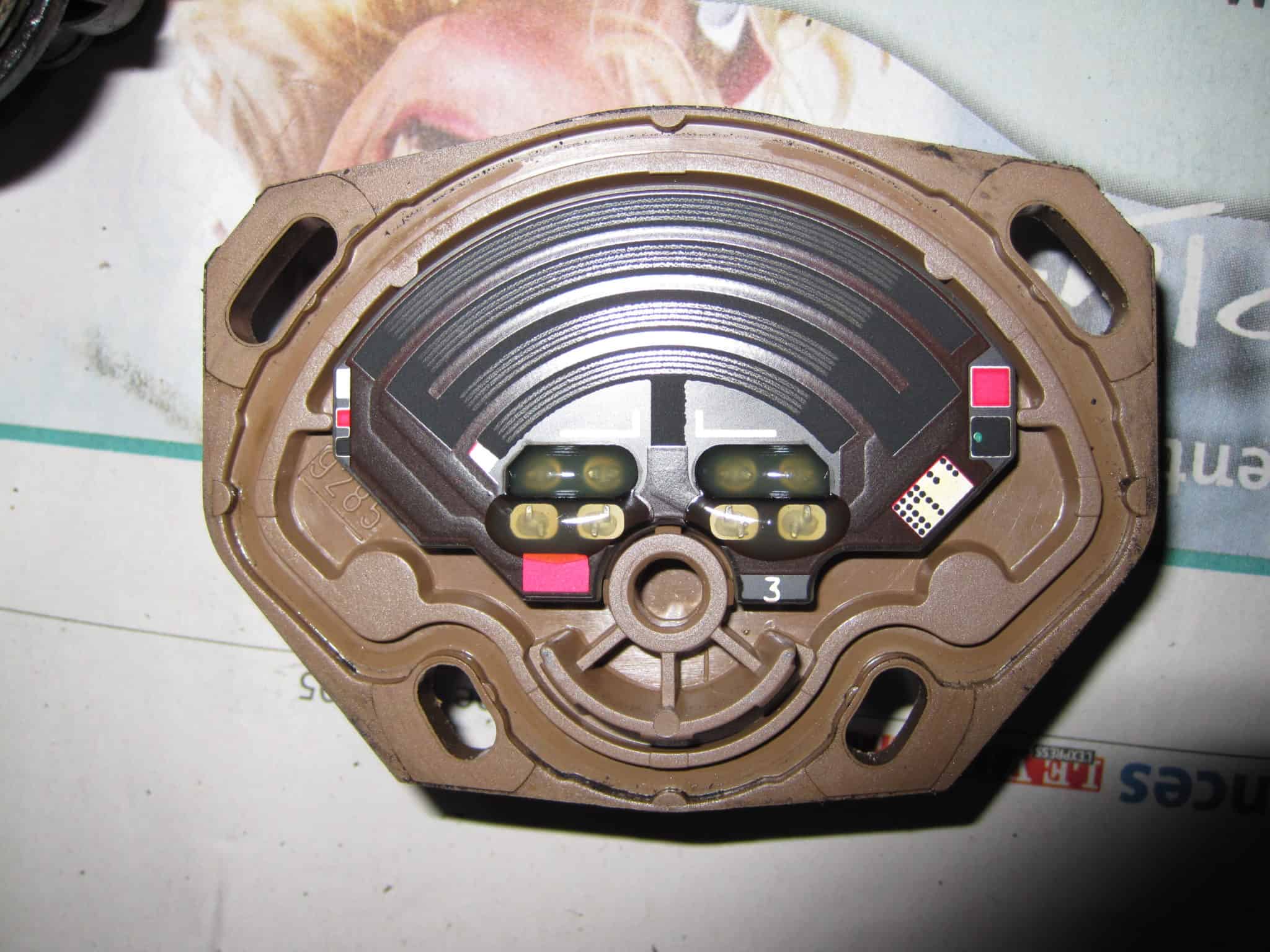
Experiencing a rough idle, poor fuel economy, or hesitation when accelerating? These symptoms can be frustrating, and one potential culprit often overlooked is the Throttle Position Sensor, or TPS. Think of it as the gas pedal's messenger – it tells your engine's computer (ECU) how much you're pressing down, allowing the engine to deliver the right amount of fuel. Over time, the TPS can become inaccurate, leading to performance issues. While sometimes replacement is necessary, often a simple reset can resolve the problem. This guide will walk you through the process of how to reset your Throttle Position Sensor, helping you diagnose and potentially fix your car's drivability issues.
Understanding the Throttle Position Sensor
Before we dive into the reset procedure, let's quickly recap what the TPS does and why it might need resetting. The TPS is a potentiometer that monitors the position of the throttle plate. As the throttle plate opens (when you press the accelerator), the TPS sends a corresponding voltage signal to the ECU. The ECU then uses this information to determine the appropriate air/fuel mixture and ignition timing for optimal performance.
Over time, a few things can cause the TPS to malfunction:
- Wear and Tear: Like any mechanical component, the TPS can wear out. The internal contacts can become corroded or damaged, leading to inaccurate readings.
- Carbon Buildup: Carbon deposits can accumulate around the throttle body and throttle plate, affecting the TPS's ability to accurately sense the throttle position.
- Voltage Fluctuations: Sudden changes in voltage within the electrical system can sometimes scramble the TPS's calibration.
- ECU Updates or Battery Disconnection: When you disconnect the battery or the ECU undergoes a software update, the TPS settings may be lost or revert to default, requiring a reset for optimal performance.
A reset helps the ECU relearn the TPS's range of motion and ensures it accurately interprets the signal, often resolving the issues mentioned above.
Is a TPS Reset Right for You? Recognizing the Symptoms
While a TPS reset can be a helpful solution, it's essential to accurately diagnose the problem first. Don't just assume a reset will magically fix everything. Look for these common symptoms:
- Rough or Unstable Idle: Your engine idles too high, too low, or fluctuates erratically.
- Hesitation or Stumbling During Acceleration: The engine feels sluggish or hesitates when you press the accelerator pedal.
- Poor Fuel Economy: You're noticing a significant decrease in your gas mileage.
- Difficulty Starting: The engine takes longer to start than usual, or cranks excessively.
- Check Engine Light: The "Check Engine" light is illuminated, and the diagnostic code may point to a TPS-related issue (e.g., P0121, P0122, P0123). Always read the diagnostic codes with an OBD-II scanner before proceeding.
- Stalling: The engine stalls unexpectedly, especially when coming to a stop.
Important Note: Before attempting a TPS reset, rule out other potential causes, such as vacuum leaks, dirty air filters, faulty spark plugs, or problems with the fuel system. If the symptoms persist after a reset, or if the diagnostic code indicates a faulty TPS sensor, you may need to replace the sensor entirely. A faulty TPS is also more likely if the check engine light is on.
Tools and Preparation
Fortunately, resetting a TPS is often a simple procedure that requires minimal tools. Here’s what you’ll typically need:
- OBD-II Scanner: This is crucial for reading and clearing diagnostic trouble codes (DTCs). A basic scanner is sufficient for this purpose.
- Vehicle Repair Manual (Optional): A repair manual specific to your car's make and model can provide detailed instructions and diagrams.
- Socket Set and Wrenches: You might need these to disconnect the battery or access the TPS, depending on your vehicle.
- Screwdrivers (Phillips and Flathead): Depending on your car's make and model, you may need these to remove covers or access components.
- Gloves: To protect your hands.
- Eye Protection: Safety glasses or goggles.
- Throttle Body Cleaner (Optional): Cleaning the throttle body can sometimes improve TPS performance and is a good idea to do along with the reset.
Approximate Repair Costs: The cost of a TPS reset is generally minimal, as it primarily involves your time. However, if you decide to replace the sensor, the cost can range from $50 to $200, depending on the vehicle and the quality of the replacement part. Labor costs for replacing the sensor can vary from $50 to $150, depending on the shop and the complexity of the job.
The TPS Reset Procedure: A Step-by-Step Guide
The exact procedure for resetting a TPS can vary depending on your vehicle's make and model. However, here's a general guideline that applies to many cars:
Method 1: The Battery Disconnect Method
- Turn Off the Ignition: Ensure the engine is completely off and the key is removed from the ignition.
- Locate the Negative Battery Terminal: Usually marked with a "-" symbol.
- Disconnect the Negative Battery Terminal: Use a wrench to loosen the nut securing the cable to the terminal and carefully disconnect the cable.
- Wait: This is crucial. Leave the negative battery cable disconnected for at least 15-30 minutes. This allows the ECU to fully reset. Some manufacturers recommend even longer wait times (up to an hour).
- Reconnect the Negative Battery Terminal: Carefully reattach the cable to the terminal and tighten the nut securely.
- Start the Engine: Start the engine and let it idle for a few minutes. The ECU will begin to relearn the TPS parameters.
- Test Drive: Take the car for a short test drive to see if the symptoms have improved.
Method 2: Using an OBD-II Scanner
- Turn Off the Ignition: Ensure the engine is completely off.
- Plug in the OBD-II Scanner: Connect the scanner to the OBD-II port, typically located under the dashboard near the steering column.
- Turn the Ignition On (Engine Off): Turn the ignition key to the "ON" position, but do not start the engine.
- Navigate the Scanner Menu: Use the scanner's menu to access the "Clear Codes" or "Erase Codes" function.
- Clear Diagnostic Trouble Codes (DTCs): Select the "Clear Codes" option and confirm your selection. This will erase any stored diagnostic codes, including those related to the TPS.
- Turn the Ignition Off: Turn the ignition key to the "OFF" position.
- Start the Engine: Start the engine and let it idle for a few minutes.
- Test Drive: Take the car for a test drive to assess the performance.
Method 3: The "Throttle Pedal Dance" (Specific to Some Manufacturers)
Some manufacturers, notably Nissan and Infiniti, have a specific procedure involving pressing the accelerator pedal in a certain sequence to reset the TPS. This is often called the "Throttle Pedal Dance." This process involves turning the ignition on, waiting a specific amount of time, pressing and releasing the accelerator pedal rapidly multiple times, and then waiting again. Warning: This method is very specific to particular vehicles and requires precise timing. Consult your vehicle's repair manual or reliable online resources to find the exact procedure for your make and model. Attempting this method incorrectly could potentially cause further issues.
Important Considerations and Troubleshooting
- Post-Reset Idle: After resetting the TPS, your car's idle may be slightly higher or lower than usual. This is normal as the ECU relearns the optimal idle settings. It should stabilize within a few driving cycles.
- Check Engine Light: If the "Check Engine" light reappears shortly after the reset, it indicates that the problem may not be resolved by a simple reset, or that there is another issue at play. Use the OBD-II scanner to read the new diagnostic codes and investigate further.
- Throttle Body Cleaning: As mentioned earlier, cleaning the throttle body can significantly improve TPS performance. Use a throttle body cleaner and a clean cloth to remove any carbon deposits from the throttle plate and surrounding areas. Be careful not to spray cleaner directly into the electronic components of the TPS.
- TPS Adjustment: On some older vehicles, the TPS is adjustable. However, adjusting the TPS without proper tools and knowledge can lead to further problems. If your vehicle has an adjustable TPS, consult a qualified mechanic for assistance.
When to Seek Professional Help
If you've tried resetting the TPS and the symptoms persist, or if you're uncomfortable performing the procedure yourself, it's best to consult a qualified mechanic. A professional mechanic can accurately diagnose the problem and recommend the appropriate solution, whether it's replacing the TPS, addressing other underlying issues, or performing more advanced diagnostic procedures.
Remember, taking care of your car is an investment. Regular maintenance and prompt attention to potential problems can save you time, money, and headaches in the long run. Good luck!