
How To Take Out A Car Dent With Hot Water
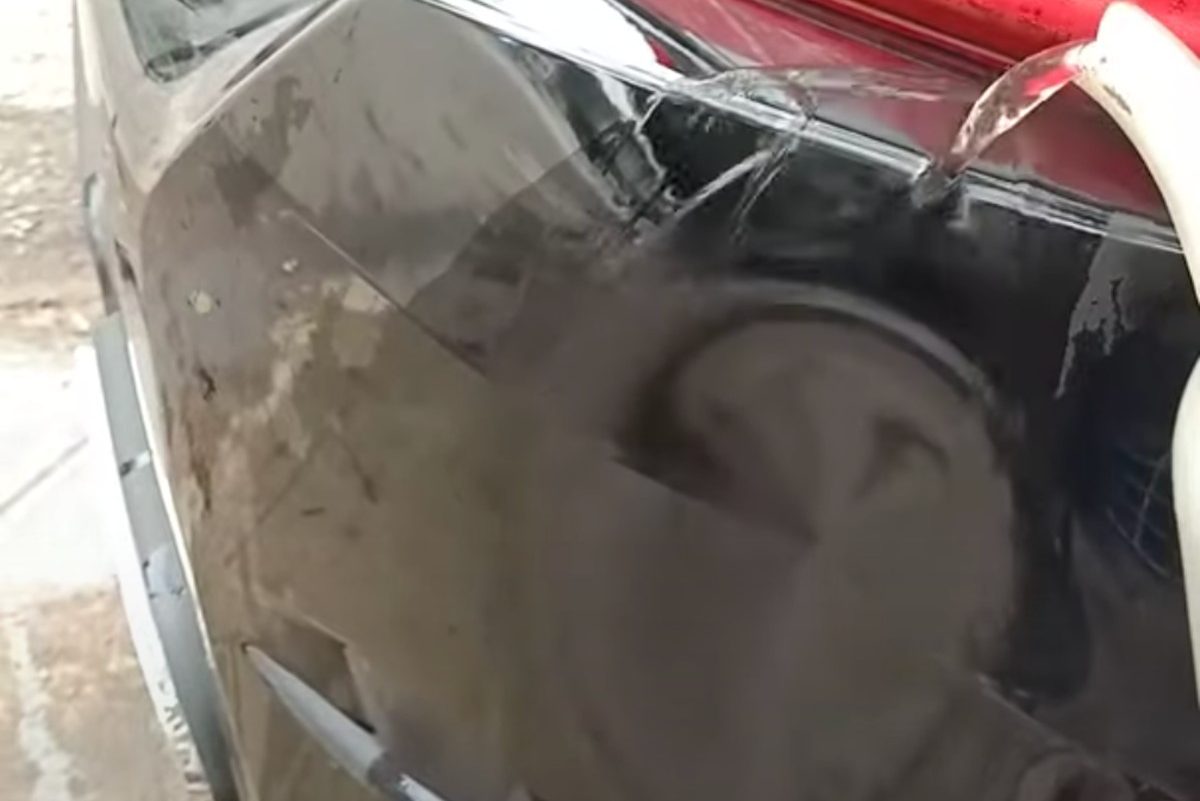
The automotive repair industry constantly seeks cost-effective and time-efficient solutions for vehicle bodywork. While sophisticated techniques like paintless dent repair (PDR) are prevalent, a seemingly simple method involving hot water is often discussed. This article delves into the technical aspects of using hot water to remove car dents, analyzes its effectiveness, and compares it with established alternatives.
The Science Behind Hot Water Dent Removal
The principle behind using hot water to remove dents relies on the thermal expansion and contraction properties of automotive materials, primarily the plastic or composite panels used in modern vehicles. When hot water is applied to a dented area, the material locally expands. This expansion, coupled with carefully applied pressure from the opposite side, can sometimes encourage the material to return to its original shape. This is not a guaranteed fix and is highly dependent on the type of material, the severity of the dent, and environmental conditions.
Specifically, many modern car bumpers and some body panels are constructed from polymers like polypropylene (PP) or acrylonitrile butadiene styrene (ABS). These materials have a relatively high coefficient of thermal expansion compared to metals. This means that a small temperature change can induce a significant dimensional change. While the heat from the water doesn’t make the plastic malleable enough to completely reform it, it introduces enough flex in the material to assist in pushing it back into shape. The expansion is temporary and the material will contract as it cools, ideally solidifying back to its original form.
Procedure and Considerations
The typical procedure involves heating water to just below boiling point (around 80-90°C or 176-194°F). Care must be taken to avoid burns. The hot water is then poured directly onto the dented area. Immediately after application, gentle pressure is applied from the inside of the panel, if accessible. A plunger or similar tool can be used to create suction and aid in the reshaping process. Some technicians also recommend alternating between hot water application and cold water to accelerate the contraction and further encourage the material to return to its original form.
Several factors influence the success of this method. Shallow, flexible dents are more likely to respond positively than deep, creased dents. Ambient temperature also plays a crucial role. In colder weather, the plastic is less pliable, reducing the effectiveness of the heat treatment. Furthermore, panels that have been previously repaired or repainted may not respond as well, as the paint layer can inhibit expansion and contraction.
Comparison with Alternatives
Compared to professional dent repair methods like PDR, hot water treatment has significant limitations. PDR uses specialized tools to manipulate the metal from behind the panel, restoring its original shape without damaging the paint. This method is generally more effective for a wider range of dents and offers a higher quality repair. However, PDR requires specialized training and equipment, making it a more expensive option.
Another alternative is traditional body filler and paint repair. This involves filling the dent with body filler, sanding it smooth, and repainting the area. This method is suitable for dents that are too severe for PDR or hot water treatment, but it requires skilled labor and can be time-consuming and costly. Additionally, a poorly executed filler repair can be prone to cracking and paint failure over time.
Here’s a concise comparison table:
| Method | Pros | Cons | Cost | Effectiveness |
|---|---|---|---|---|
| Hot Water | Low cost, simple, DIY-friendly | Limited effectiveness, risk of burns, not suitable for all dents | Very low | Low to Moderate |
| PDR | Excellent results, preserves original paint, eco-friendly | Requires specialized skills and equipment, can be expensive | Moderate to High | High |
| Body Filler and Paint | Suitable for severe dents, can restore original appearance | Time-consuming, requires skilled labor, can be prone to failure, paint matching can be difficult. | Moderate to High | High (if done correctly) |
Reliability and Maintenance
The reliability of hot water dent removal is low, as it is not a guaranteed fix. There's a risk of damaging the paint or surrounding areas if the water is too hot or if excessive pressure is applied. The method is best suited for temporary fixes or for improving the appearance of minor dents before pursuing more professional repairs. There are no specific maintenance requirements after attempting hot water dent removal, however, immediate drying is recommended to avoid water spots. In case of failure of this method, ensure that the surface is well-cleaned if a more permanent solution (PDR or Filler) is required later.
Future Trends
The automotive industry is continuously evolving, with new materials and manufacturing techniques emerging. The increasing use of carbon fiber and other advanced composites may necessitate new repair methods that are gentler and more precise than traditional techniques. While hot water treatment may remain a niche method for minor dent repair, advancements in materials science and repair technology will likely lead to more effective and efficient solutions for vehicle bodywork in the future. Self-healing polymers are also under development, which could revolutionize dent repair by allowing materials to automatically return to their original shape after impact.
Conclusion
Using hot water to remove car dents is a low-cost, DIY method that can be effective for minor, flexible dents on plastic or composite panels. However, its effectiveness is limited, and it carries a risk of damage. Compared to professional alternatives like PDR or body filler and paint repair, it offers lower reliability and quality. As the automotive industry continues to innovate with new materials and technologies, the future of dent repair will likely involve more sophisticated and precise methods that minimize damage and preserve the original integrity of the vehicle.