
How To Take Out The Key From The Ignition
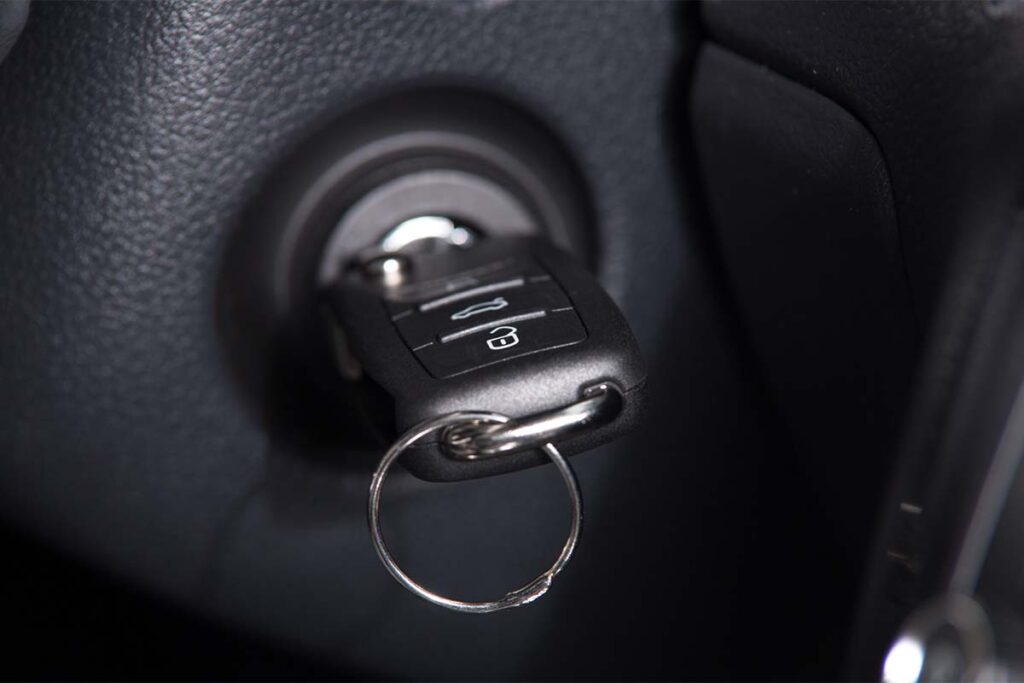
Removing the key from the ignition seems like the most basic of automotive tasks, yet it can become a source of frustration when things go wrong. This guide delves into the intricacies of ignition systems, common issues preventing key removal, and practical solutions to get you back on track. We’ll cover various ignition systems, from older mechanical designs to modern electronic setups, providing valuable insights for automotive enthusiasts, mechanics, and car owners alike.
Understanding Ignition Systems: A Quick Overview
The ignition system is the heart of your car's electrical system, responsible for starting and often controlling various accessory functions. Traditionally, it involved a mechanical system where the key physically engaged with tumblers and switches. However, modern vehicles increasingly utilize electronic ignition systems, sometimes referred to as **keyless ignition** or **push-button start**, that rely on sophisticated software and sensors. Even with these advancements, a physical key is often present, either as a backup or for specific vehicle functions.
The key engages with the ignition cylinder (or tumbler). When the correct key is inserted, the tumblers align, allowing the cylinder to rotate. This rotation activates electrical switches that power the starter motor and other essential components. Once the engine is running, the key is usually held in the "ON" position. Removing the key, in theory, is a simple reversal of this process, but complications can arise.
Common Reasons for Key Removal Problems
Several factors can prevent you from removing the key from the ignition. Here are some of the most common culprits:
- Steering Wheel Lock Engagement: Many vehicles have a steering wheel lock mechanism. If the steering wheel is turned too far after the ignition is off, the lock can engage, preventing the key from being turned to the "OFF" or "LOCK" position.
- Gear Selector Position: In automatic transmissions, the ignition is often interlocked with the gear selector. The key might not come out if the car isn't fully in "PARK" (P). Even a slight misalignment can cause this issue.
- Worn or Damaged Ignition Cylinder: Over time, the internal components of the ignition cylinder can wear down or become damaged. This can prevent the key from turning properly or from being released. Dirt and debris accumulating inside the cylinder can also contribute to this problem.
- Bent or Damaged Key: A bent or damaged key might not properly engage with the tumblers, making it difficult to turn the ignition cylinder.
- Electronic Ignition System Malfunctions: In vehicles with electronic ignition systems, sensor failures, software glitches, or communication errors between various modules can prevent the key from being released.
- Low Battery: Some modern vehicles rely on sufficient battery voltage to release the key. A low or dead battery can prevent the key from being removed.
Troubleshooting and Solutions
Here's a step-by-step guide to troubleshooting and resolving key removal issues:
- Check the Gear Selector: Ensure the car is completely in "PARK" (P). Try shifting to "NEUTRAL" (N) and then back to "PARK" to see if this releases the key.
- Jiggle the Steering Wheel: Gently rock the steering wheel back and forth while trying to turn the key to the "OFF" or "LOCK" position. This can disengage the steering wheel lock.
- Inspect the Key: Examine the key for any signs of bending, damage, or excessive wear. Try using a spare key if available.
- Lubricate the Ignition Cylinder: Use a small amount of graphite-based lubricant specifically designed for locks and ignition cylinders. Avoid using oil-based lubricants, as they can attract dirt and grime. Spray a small amount into the cylinder and insert and remove the key several times.
- Check the Battery: If you suspect a low battery, try jump-starting the car or charging the battery.
- Consult the Owner's Manual: Your car's owner's manual may provide specific instructions or troubleshooting tips for key removal issues.
- Professional Assistance: If none of the above solutions work, it's best to consult a qualified mechanic or locksmith. They have the tools and expertise to diagnose and repair complex ignition system problems.
Preventive Measures
Taking preventative measures can help avoid key removal issues in the first place:
- Use the Correct Key: Always use the key specifically designed for your vehicle. Using a mismatched or worn key can damage the ignition cylinder.
- Avoid Overloading the Keyring: A heavy keyring can put stress on the ignition cylinder. Remove any unnecessary items from your keyring.
- Regular Maintenance: Periodically lubricate the ignition cylinder with a graphite-based lubricant.
- Address Issues Promptly: If you notice any difficulty turning the key or removing it, address the problem as soon as possible. Ignoring the issue can lead to more significant damage.
Understanding your vehicle's ignition system and taking preventative measures can save you time, money, and frustration. When in doubt, always consult a qualified professional to ensure the problem is diagnosed and repaired correctly. With a little knowledge and proactive maintenance, you can keep your ignition system functioning smoothly for years to come.