
How To Tell If A Transmission Is Slipping
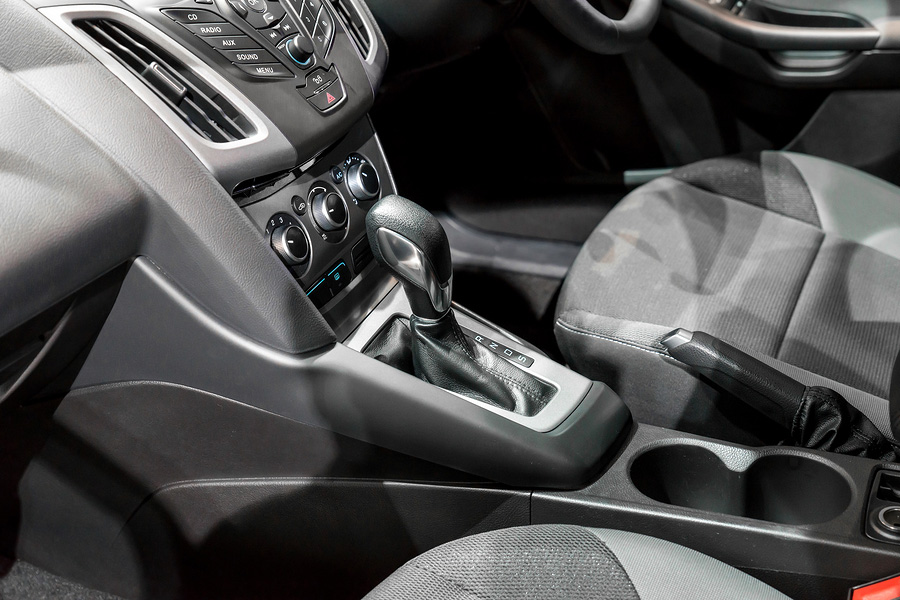
The transmission, the unsung hero of your vehicle, is a complex system responsible for transferring power from the engine to the wheels. When functioning correctly, it allows your car to accelerate smoothly and efficiently. However, when it starts to fail, one of the most common symptoms is transmission slippage. Understanding what transmission slippage is, how it manifests, and what causes it is crucial for any car enthusiast or budding mechanic. This guide will delve into the mechanics of slippage, offering a comprehensive understanding of how to diagnose this frustrating problem.
What is Transmission Slippage?
Transmission slippage occurs when the transmission fails to maintain the proper gear ratio for the given engine speed and vehicle speed. In simpler terms, it feels like the engine is revving higher than it should be for the current speed, or that the car is struggling to accelerate even though the engine is working hard. This is because the internal components of the transmission, primarily the clutches or bands, are not properly engaging or holding the gears.
There are two main types of transmission slippage: Internal slippage and External slippage. Internal slippage, the more common type, involves the clutches and bands within the transmission failing to hold their grip. External slippage can occur due to issues with the torque converter, a hydraulic coupling that connects the engine to the transmission.
Symptoms of Transmission Slippage
Recognizing the symptoms of transmission slippage early can save you from more extensive and costly repairs down the line. Here's a breakdown of the key indicators:
High RPMs with Slow Acceleration
This is the most classic and easily recognizable symptom. You'll notice that the engine speed (RPM) increases significantly when you press the accelerator, but the vehicle doesn't accelerate at the same rate. It feels like the engine is working hard, but the power isn't being effectively transferred to the wheels. Imagine stepping on the gas to merge onto the highway; instead of smoothly gaining speed, the engine roars, but the car hesitates and struggles to accelerate. This is a telltale sign of slippage.
Delayed or Erratic Shifting
A healthy transmission shifts smoothly and decisively between gears. When slipping, the shifts might be delayed, meaning there's a noticeable pause between when the transmission should shift and when it actually does. The shifts can also be erratic, characterized by jerky movements or shifts that occur at inappropriate times. You might also experience "flare" during shifts, where the RPMs briefly spike between gears before settling down.
Shuddering or Vibrations
Slipping can sometimes manifest as a shuddering or vibrating sensation, particularly during acceleration or when the transmission is under load (e.g., climbing a hill). This vibration is caused by the inconsistent engagement of the clutches or bands within the transmission.
Difficulty Climbing Hills
When the transmission is slipping, it struggles to maintain the necessary torque to climb hills. You may find that you need to press the accelerator much harder than usual to maintain speed, and the engine might rev excessively without providing adequate power.
Unusual Noises
While not always present, transmission slippage can sometimes be accompanied by unusual noises. These noises might include whining, clunking, or grinding sounds, particularly during shifts or under load. Note that these noises could also indicate other transmission problems, so it's important to investigate further.
Check Engine Light
In many modern vehicles, transmission problems, including slippage, will trigger the check engine light. The car's computer (ECU) monitors the transmission's performance, and if it detects inconsistencies in gear ratios or other parameters, it will store a diagnostic trouble code (DTC). Using an OBD-II scanner, you can retrieve these codes and get a better understanding of the problem. Common codes associated with transmission slippage include those related to incorrect gear ratios.
Causes of Transmission Slippage
Understanding the causes of transmission slippage is essential for preventing it and addressing it effectively. Several factors can contribute to this problem:
Low or Contaminated Transmission Fluid
Transmission fluid is the lifeblood of the transmission. It lubricates the internal components, cools the transmission, and provides the hydraulic pressure necessary for shifting. Low fluid levels can lead to inadequate lubrication and reduced hydraulic pressure, causing the clutches and bands to slip. Contaminated fluid, containing dirt, debris, or metal particles, can also damage the internal components and impair their ability to grip properly.
Worn Clutches and Bands
The clutches and bands are the friction materials that engage and disengage the gears within the transmission. Over time, these components wear down due to friction and heat. As they wear, they lose their ability to grip effectively, leading to slippage. This is a natural consequence of wear and tear and is a common cause of transmission slippage in older vehicles.
Valve Body Issues
The valve body is a complex hydraulic control system that directs transmission fluid to the appropriate clutches and bands to execute gear changes. If the valve body is malfunctioning, it might not be able to provide the correct amount of pressure to the clutches and bands, resulting in slippage. Common valve body issues include stuck valves, worn solenoids, and blocked passages.
Torque Converter Problems
The torque converter is responsible for transmitting power from the engine to the transmission. If the torque converter is failing, it might not be able to effectively transfer power, leading to slippage-like symptoms. A common problem is a failed torque converter clutch, which is designed to lock the torque converter at higher speeds to improve fuel efficiency. If the clutch fails to engage, it can feel like the transmission is slipping.
Electronic Control Issues
Modern transmissions are electronically controlled, with sensors and actuators that regulate shifting and other functions. Problems with these electronic components, such as faulty sensors or malfunctioning solenoids, can also cause transmission slippage. For example, a faulty speed sensor can provide incorrect information to the transmission control module (TCM), leading to incorrect shifting and slippage.
Diagnosis and Repair
Diagnosing transmission slippage accurately requires a systematic approach. Here's a general outline:
- Check Transmission Fluid: This should be the first step. Inspect the fluid level and condition. Low fluid should be topped off. If the fluid is dark, burnt, or contains debris, it needs to be flushed and replaced.
- OBD-II Scan: Use an OBD-II scanner to check for any diagnostic trouble codes (DTCs) related to the transmission.
- Road Test: Observe the transmission's behavior during a road test. Pay attention to shifting patterns, acceleration, and any unusual noises or vibrations.
- Professional Inspection: If the problem persists, it's best to consult a qualified mechanic. They can perform more in-depth diagnostics, such as pressure tests and valve body inspections.
Repairing transmission slippage can range from simple fluid changes to complete transmission rebuilds or replacements. The appropriate course of action depends on the underlying cause of the problem. If the slippage is caused by low or contaminated fluid, a fluid change might be sufficient. However, if the clutches or bands are worn, a rebuild or replacement is usually necessary. Valve body issues can sometimes be resolved by cleaning or replacing the valve body, but in some cases, a complete transmission overhaul is required.
Prevention is Key: Regular transmission maintenance, including fluid changes according to the manufacturer's recommendations, is the best way to prevent transmission slippage and extend the life of your transmission.
Understanding transmission slippage is a crucial step in maintaining the health of your vehicle. By recognizing the symptoms, understanding the causes, and following a systematic diagnostic approach, you can address this problem effectively and keep your car running smoothly for years to come.