
How To Tell If A U Joint Is Bad
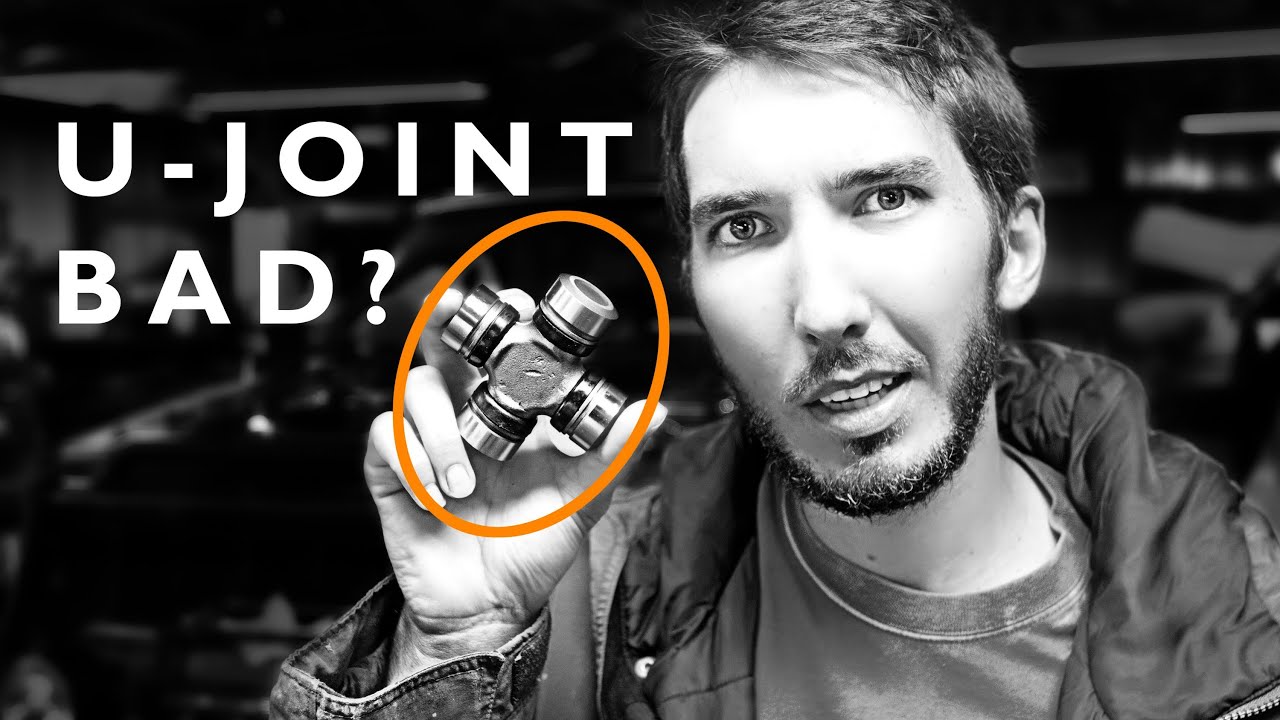
Ah, the U-joint. Universal Joint. A humble, often overlooked component in the drivetrain, yet utterly critical for transferring power from your transmission to the wheels. When it's happy, you're happy, enjoying smooth acceleration and confident handling. But when it starts to fail? Get ready for vibrations, clunking, and potentially, a whole lot of headaches. This article is your field guide to diagnosing a bad U-joint, tailored for car enthusiasts who appreciate the nuances between different models, engines, and drivetrains.
Understanding the U-Joint's Role
First, let's recap why U-joints are so vital. They allow the driveshaft to transmit torque through varying angles. Think about it: your transmission sits relatively fixed to the chassis, while your rear axle (in a rear-wheel-drive car or truck) constantly moves up and down with the suspension. The U-joint bridges that gap, accommodating those changes in angle. Most vehicles have at least two U-joints: one at the transmission end of the driveshaft and another at the differential. Some, particularly longer trucks and SUVs, might have a third one in the middle to handle longer driveshafts.
The Different Types of U-Joints
While the basic function remains the same, U-joints come in a few different flavors. Understanding the type in your vehicle can help with diagnosis and replacement.
- Cross-Type (Cardan Joint): The most common type, consisting of a cross-shaped trunnion with needle bearings in each arm. These are robust and relatively inexpensive.
- Constant Velocity (CV) Joint: These are more complex and offer smoother power transfer, especially at higher angles. They are often found on independent rear suspensions or front-wheel-drive vehicles with long driveshafts. Although technically not U-joints, they serve a similar purpose and are sometimes mistaken for them.
- Double Cardan Joint: Used in applications requiring extreme angles, these joints effectively cancel out the velocity fluctuations inherent in a single Cardan joint.
Signs of a Failing U-Joint
The good news is that a failing U-joint rarely goes quietly. Here are the telltale signs to watch (and listen) for:
- Vibrations: This is often the first symptom. The vibrations will typically increase with speed and can be felt in the floorboard, seat, or steering wheel. The frequency of the vibration may also change with speed.
- Clunking Noise: You might hear a distinct "clunk" when shifting gears, accelerating from a stop, or decelerating. This sound is caused by excessive play in the worn U-joint. It's often most noticeable when the drivetrain experiences a sudden change in load.
- Squeaking Noise: A dry, squeaking noise, especially at low speeds, can indicate that the U-joint is lacking lubrication or that the needle bearings are damaged.
- Looseness or Play: If you can grab the driveshaft and wiggle it back and forth excessively, particularly at the U-joint itself, that's a clear sign of wear. This is best checked with the vehicle in park and the parking brake engaged.
- Visible Damage: Inspect the U-joint for rust, cracks, or missing grease seals. Grease leaking from the seals is a sign that the joint is losing lubrication and likely failing.
Diagnosis: Getting Your Hands Dirty
Now, let's move onto the practical side of things. Here's how to pinpoint a bad U-joint:
- Visual Inspection: Start with a thorough visual inspection. Look for rust, cracks, and grease leaks around the U-joint. Pay close attention to the grease seals.
- The Wiggle Test: With the vehicle safely supported on jack stands (never work under a vehicle supported only by a jack!), grab the driveshaft near the U-joint. Try to rotate it back and forth without rotating the differential or transmission output shaft. Any noticeable play indicates wear. Repeat this test at both ends of the driveshaft.
- The Pry Bar Test: Use a pry bar to gently lever the U-joint. Look for excessive movement or clicking sounds.
- Road Test: If you suspect a U-joint issue but haven't found anything conclusive, take the vehicle for a short drive. Pay attention to the symptoms mentioned earlier, such as vibrations and clunking noises. Important: Drive cautiously and avoid high speeds if you suspect a failing U-joint, as it could potentially fail completely and cause a dangerous situation.
Model & Engine Specific Considerations
The symptoms and severity of U-joint failure can vary depending on the vehicle. Here are some key differences:
- Trucks & SUVs: Longer driveshafts in trucks and SUVs are more prone to vibrations caused by worn U-joints. Also, off-roading can accelerate U-joint wear due to exposure to dirt, water, and extreme angles.
- High-Performance Cars: Cars with powerful engines and aggressive driving styles put more stress on the U-joints. Upgrading to stronger U-joints may be necessary for track use or heavily modified vehicles.
- Independent Rear Suspension (IRS): Vehicles with IRS often use CV joints instead of U-joints on the axle shafts. CV joints typically exhibit different symptoms when failing, such as clicking or popping noises during turns.
Spec Table: Common U-Joint Types & Applications
| U-Joint Type | Typical Application | Pros | Cons |
|---|---|---|---|
| Cross-Type (Cardan Joint) | Most RWD vehicles, trucks, SUVs | Simple, inexpensive, durable | Can cause velocity fluctuations at higher angles |
| Constant Velocity (CV) Joint | IRS vehicles, FWD vehicles with long driveshafts | Smooth power transfer, handles high angles | More complex, more expensive |
| Double Cardan Joint | Vehicles with extreme driveshaft angles | Minimizes velocity fluctuations at high angles | More complex, more expensive |
Real-World Driving Impressions
I recently diagnosed a bad U-joint in my buddy's '98 Jeep Cherokee. He initially complained about a "shudder" at highway speeds. After a quick inspection, I found excessive play in the rear U-joint. Replacing it eliminated the vibration and restored smooth driving. The difference was night and day!
Another example: A client brought in his Mustang GT with a loud clunking noise when shifting. The U-joint was so worn that it had nearly seized up! Replacing it not only fixed the noise but also improved the car's overall responsiveness.
Prevention & Maintenance
The best way to avoid U-joint problems is to practice preventative maintenance:
- Grease Regularly: Many U-joints have grease fittings (zerks). Regularly grease these fittings with a high-quality grease to keep the joint lubricated and prevent wear. Consult your vehicle's manual for recommended greasing intervals.
- Inspect Regularly: Periodically inspect the U-joints for signs of wear, damage, or grease leaks.
- Avoid Abuse: Minimize harsh acceleration, aggressive off-roading, and towing heavy loads beyond your vehicle's capacity.
Pro Tip: When replacing a U-joint, consider upgrading to a heavier-duty version, especially if you frequently tow or engage in off-road driving. Several aftermarket options offer increased strength and durability.
Warning: Working on drivetrain components can be dangerous. If you are not comfortable performing these tasks, it's best to consult a qualified mechanic.
In Conclusion
A bad U-joint can be a frustrating problem, but with a little knowledge and some careful diagnosis, you can identify the issue and get your car back on the road. Remember to consider the specific characteristics of your vehicle and driving style when troubleshooting. By understanding the function of the U-joint, recognizing the warning signs, and practicing preventative maintenance, you can keep your drivetrain running smoothly for years to come.
Now, for the fun part: What's the most creative temporary U-joint fix you've ever heard of (or, dare I ask, attempted)? Let the stories begin!