
How To Tell If Brakes Need Bleeding
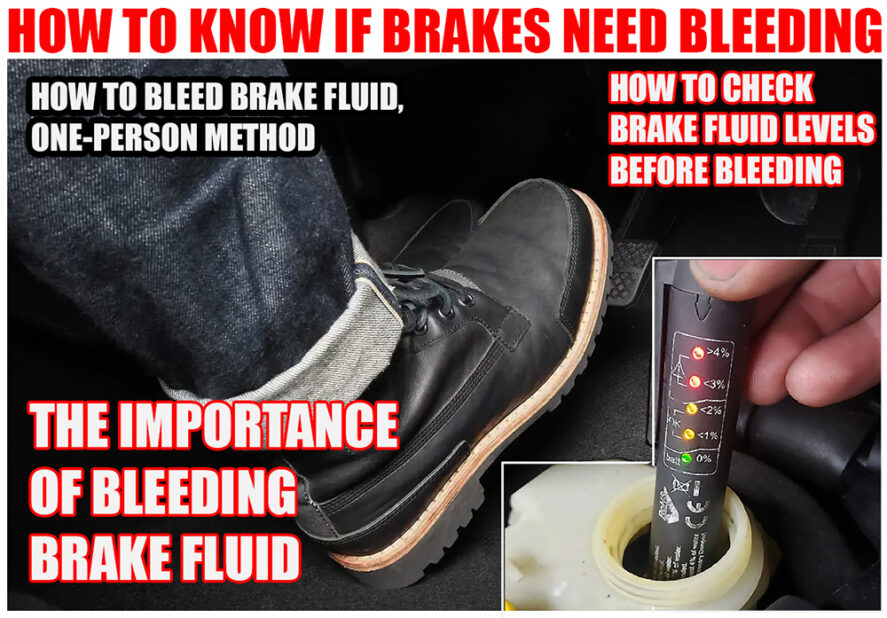
Brakes are arguably the most critical safety feature of any vehicle. Maintaining them properly is essential, and knowing when your brakes need bleeding is a key part of that maintenance. This article will guide car owners and mechanics through the symptoms, causes, and fixes related to brake bleeding, ensuring optimal braking performance.
Understanding Brake Bleeding: Why Is It Necessary?
Brake systems are hydraulic, meaning they rely on brake fluid to transmit the force from your foot on the brake pedal to the brake calipers, which then squeeze the brake pads against the rotors (or drums). Over time, air can enter the brake lines. This air, unlike brake fluid, is compressible. When air is present, some of the force applied to the pedal is used to compress the air, rather than directly activating the brakes. This results in a spongy or soft brake pedal feel, and reduced braking effectiveness.
Brake bleeding removes this trapped air, restoring the proper hydraulic pressure and ensuring the brakes function as designed.
Common Symptoms Indicating Your Brakes Need Bleeding
Recognizing the signs that your brakes need attention is crucial for safety. Here are some common indicators:
1. Spongy or Soft Brake Pedal:
This is the most telling symptom. If the brake pedal feels soft or requires excessive travel before the brakes engage, air in the system is the likely culprit. Imagine pressing down, and the pedal almost sinks to the floor before the car starts to slow. This is a classic sign.
Problem: Spongy brake pedal.
Likely Cause: Air in brake lines.
2. Reduced Braking Power:
You might notice that it takes longer to stop, or that you need to apply more pressure to the brake pedal to achieve the same stopping power. This is because the air in the lines is diminishing the hydraulic force.
Problem: Reduced stopping power.
Likely Cause: Air in brake lines compromising hydraulic pressure.
3. Inconsistent Brake Pedal Feel:
Sometimes, the brake pedal might feel normal on one press, and then soft on the next. This inconsistency points to air moving around within the brake lines.
4. ABS Light Illumination:
In some cases, especially with more modern vehicles equipped with ABS (Anti-lock Braking System), air in the system can trigger the ABS warning light. While the ABS light can indicate other problems, it's worth checking the brake system for air.
5. Brake Fluid Level Drops:
While a dropping brake fluid level doesn't directly indicate the *need* to bleed the brakes, it can indicate a leak in the system. If air is entering the system due to a leak, bleeding will only be a temporary fix. The leak needs to be addressed first.
Problem: Low brake fluid level.
Likely Cause: Leak in brake lines or components, potentially introducing air into the system.
Troubleshooting the Causes of Air in Brake Lines
Understanding how air gets into the brake lines can help you prevent future problems. Here are some common causes:
1. Brake System Maintenance:
Anytime the brake system is opened for maintenance, such as replacing brake pads, calipers, or brake lines, air can enter the system. This is why bleeding the brakes is almost always recommended after performing brake work.
2. Low Brake Fluid Level:
If the brake fluid level in the master cylinder drops too low, air can be drawn into the system. Regularly check and maintain the correct brake fluid level.
3. Leaks in Brake Lines or Calipers:
Even small leaks can allow air to enter the system while brake fluid leaks out. Inspect brake lines, calipers, and the master cylinder for any signs of leaks.
4. Master Cylinder Failure:
A failing master cylinder can draw air into the system, although this is usually accompanied by other symptoms like a severely spongy pedal and brake fluid leaks around the master cylinder itself.
5. Corroded Brake Lines:
In areas where road salt is used extensively, brake lines can corrode and develop pinhole leaks, allowing air to enter the system.
Bleeding Your Brakes: A Step-by-Step Guide
Safety First! Always wear eye protection and gloves when working with brake fluid. Brake fluid is corrosive and can damage your skin and eyes. Dispose of used brake fluid properly; it is hazardous waste.
Here's a general procedure for bleeding brakes. Note that specific procedures can vary slightly depending on the vehicle. Always consult your vehicle's repair manual for the most accurate instructions.
- Gather Your Supplies: You'll need:
- New brake fluid (check your owner's manual for the correct type – DOT 3 or DOT 4 are common).
- A clear hose.
- A wrench that fits the brake bleeder screws on your calipers.
- A container to collect the old brake fluid.
- A helper (although one-person bleeding kits are available).
- Locate the Bleeder Screws: These are typically found on the brake calipers, usually on the top or side.
- Prepare the Bleeder Screw: Attach the clear hose to the bleeder screw and place the other end of the hose into the container.
- Pump the Brakes: Have your helper pump the brake pedal several times and hold it down.
- Open the Bleeder Screw: While the pedal is held down, open the bleeder screw slightly. You should see brake fluid (and hopefully air bubbles) flowing through the hose into the container.
- Close the Bleeder Screw: Close the bleeder screw *before* your helper releases the brake pedal. This prevents air from being sucked back into the system.
- Repeat the Process: Repeat steps 4-6 until no more air bubbles are visible in the fluid flowing through the hose.
- Top Off the Brake Fluid: After bleeding each brake, check and top off the brake fluid level in the master cylinder.
- Bleed All Brakes: Bleed all four brakes, starting with the brake furthest from the master cylinder. Typically, this is the rear passenger side, followed by the rear driver's side, front passenger side, and finally the front driver's side.
Real-World Examples: Specific Car Models
The principles of brake bleeding are the same across most vehicles, but here are some things to keep in mind for common models:
- Honda Civic: Known for its reliable braking system, but regular brake fluid flushes are important, especially in areas with high humidity. Pay close attention to the condition of the brake lines, as corrosion can be an issue.
- Toyota Camry: Similar to the Civic, the Camry requires regular maintenance. When replacing brake pads, be sure to properly seat the new pads to avoid excessive brake pedal travel.
- Ford F-150: Trucks like the F-150 often have larger brake systems. Be sure to use a sufficient amount of brake fluid when bleeding. ABS issues are common with older models, so pay close attention to the ABS warning light.
- BMW 3 Series: BMWs often use more complex braking systems. If the ABS module has been worked on, it may require a special scan tool to properly bleed the system. Consult a qualified mechanic if you're unsure.
When to Seek Professional Help
While brake bleeding is a task that many DIYers can handle, there are situations where it's best to consult a professional mechanic:
- If you're uncomfortable working on your brakes. Brakes are a critical safety system, and any mistakes can have serious consequences.
- If you're unable to get a firm brake pedal after bleeding all four brakes. This could indicate a more serious problem, such as a failing master cylinder or ABS module.
- If you suspect a leak in the brake system. Locating and repairing leaks can be tricky, and it's best left to a professional.
- If your vehicle has a complex braking system that requires specialized tools or procedures.
Maintaining Your Brakes for Optimal Performance
Preventive maintenance is key to keeping your brakes in top condition:
- Regular Brake Fluid Flushes: Brake fluid absorbs moisture over time, which can lead to corrosion and reduced braking performance. Flush the brake fluid every 2-3 years, or as recommended by your vehicle's manufacturer.
- Inspect Brake Components Regularly: Check the brake pads, rotors, and brake lines for wear and tear. Replace worn components promptly.
- Address Leaks Immediately: If you notice any signs of brake fluid leaks, have them repaired as soon as possible.
- Use Quality Brake Fluid: Always use the type of brake fluid recommended by your vehicle's manufacturer.
By understanding the signs of brake problems and performing regular maintenance, you can ensure that your brakes are always in top working order, keeping you and your passengers safe on the road. Remember, if in doubt, consult a qualified mechanic.