
How To Tell If Clutch Or Gearbox Has Gone
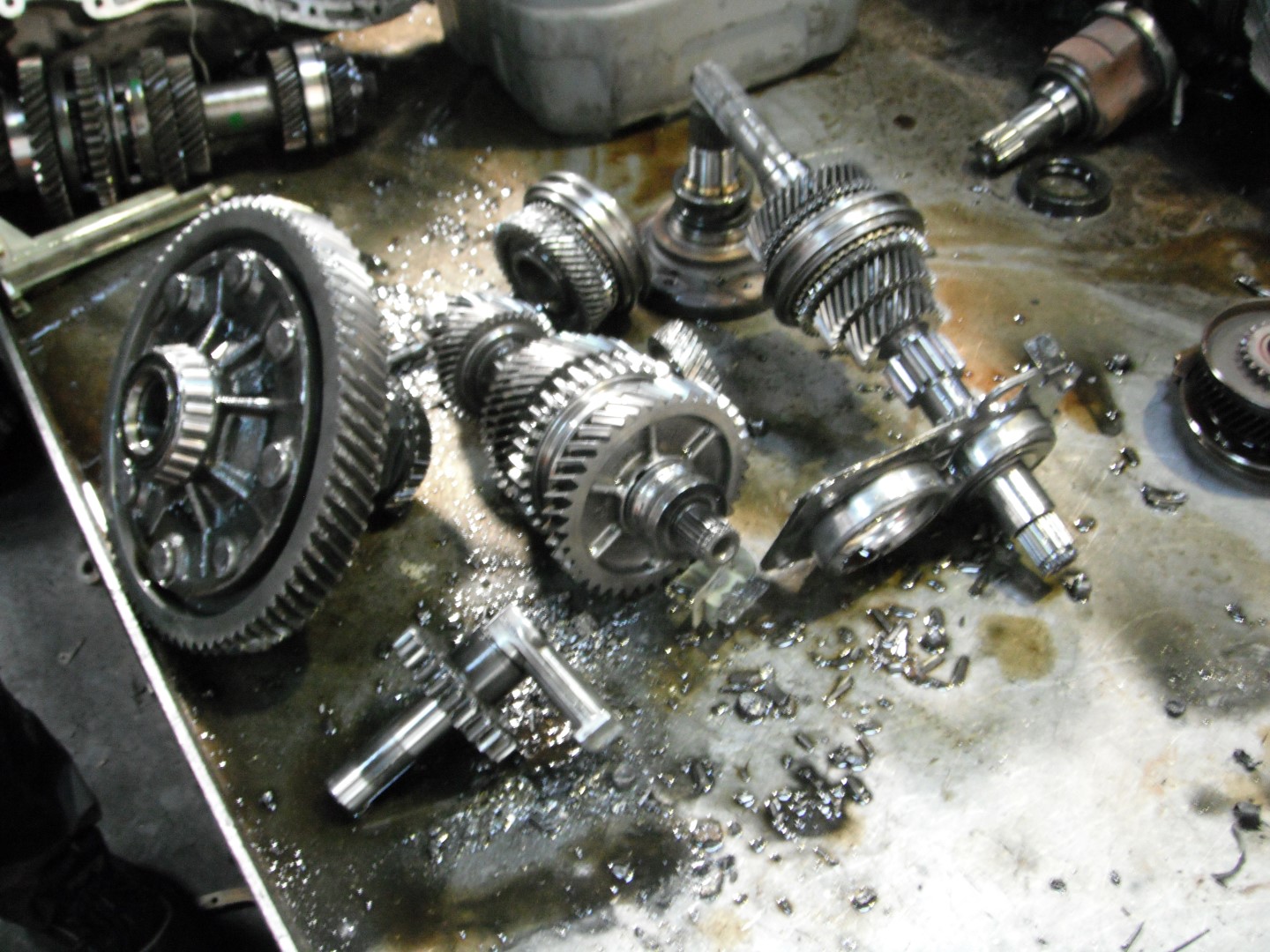
The symphony of the internal combustion engine, once the defining characteristic of driving, is slowly fading. As we accelerate towards an electrified future, the traditional culprits of automotive woe – namely, the clutch and gearbox – are undergoing a radical transformation. But even in this transitionary period, understanding the health of your drivetrain remains crucial, whether you’re piloting a classic manual or navigating the complexities of a modern hybrid.
Decoding Drivetrain Distress: Past, Present, and Future
Traditionally, diagnosing a failing clutch or gearbox involved relying on a familiar, almost intuitive understanding of mechanical feedback. Slipping clutches manifested as increased engine RPM without corresponding acceleration, a distinct burning smell, or difficulty engaging gears, especially under load. Gearbox issues presented as grinding noises during shifts, popping out of gear, or an overall feeling of roughness and resistance. These were problems that a seasoned mechanic could often diagnose with a single test drive.
However, the landscape is evolving. Modern vehicles, even those with internal combustion engines, are increasingly relying on sophisticated electronic control systems. Dual-clutch transmissions (DCTs), for example, utilize complex algorithms and sensors to manage gear changes seamlessly. Diagnosing issues in these systems requires more than just a keen ear; it demands advanced diagnostic tools and specialized knowledge. Error codes, accessed via OBD-II scanners, often provide the first clues, pointing towards specific actuators, sensors, or even software glitches.
The rise of hybrid and electric vehicles (EVs) further complicates the diagnostic process. In many EVs, the traditional gearbox is replaced by a single-speed reduction gear, significantly reducing the complexity and potential failure points. However, this doesn't eliminate drivetrain concerns entirely. Issues can arise in the electric motor itself, the inverter, or the complex control systems that manage power delivery. Hybrid systems, with their blend of internal combustion and electric propulsion, present a unique challenge, requiring technicians to understand both traditional mechanical systems and advanced electrical components.
The Electric Shift: New Challenges, New Solutions
While EVs eliminate the clutch altogether, they introduce new challenges related to the electric motor and power delivery system. Motor failures, though less frequent than gearbox failures in traditional vehicles, can be costly and difficult to diagnose. Overheating, insulation breakdown, and bearing wear are potential issues. Sophisticated battery management systems (BMS) also play a critical role in drivetrain health, monitoring voltage, current, and temperature to prevent damage and ensure optimal performance. Degradation of the battery pack can also affect the vehicle's overall performance and range, indirectly impacting the drivetrain.
Looking ahead, smart automotive solutions are poised to revolutionize drivetrain diagnostics. Predictive maintenance systems, powered by artificial intelligence (AI) and machine learning (ML), will analyze data from a multitude of sensors throughout the vehicle to identify potential problems before they manifest as outright failures. Imagine a system that can detect subtle changes in motor vibration, predict bearing wear, or anticipate battery degradation based on driving patterns and environmental conditions. This proactive approach will not only reduce downtime but also optimize maintenance schedules, saving owners both time and money.
Embracing the Future of Mobility
The transition to electric and hybrid vehicles presents both challenges and opportunities. While the traditional skills of diagnosing clutch and gearbox problems may become less relevant, new expertise in electric motor diagnostics, battery management, and advanced control systems will be essential. Automotive technicians of the future will need to be fluent in both mechanical and electrical engineering, as well as possess a strong understanding of software and data analytics.
Despite the technical hurdles, the future of mobility is undeniably bright. Electric vehicles offer a cleaner, quieter, and more efficient driving experience. Advanced driver-assistance systems (ADAS) are making our roads safer. And the integration of AI and ML is paving the way for truly autonomous vehicles. As we embrace these technologies, it's crucial to remember that the goal remains the same: to provide safe, reliable, and enjoyable transportation for everyone.
The future of the drivetrain is not about simply eliminating mechanical components; it's about creating a more seamless, intelligent, and sustainable driving experience. It's about harnessing the power of data and technology to anticipate problems, optimize performance, and ultimately, redefine the very nature of mobility. Soon, instead of listening for the grind of gears, we'll be monitoring the whisper of electrons, guiding us towards a future where breakdowns are a distant memory and the open road is truly open to all.