
How To Tell If Drum Brakes Need Replacing
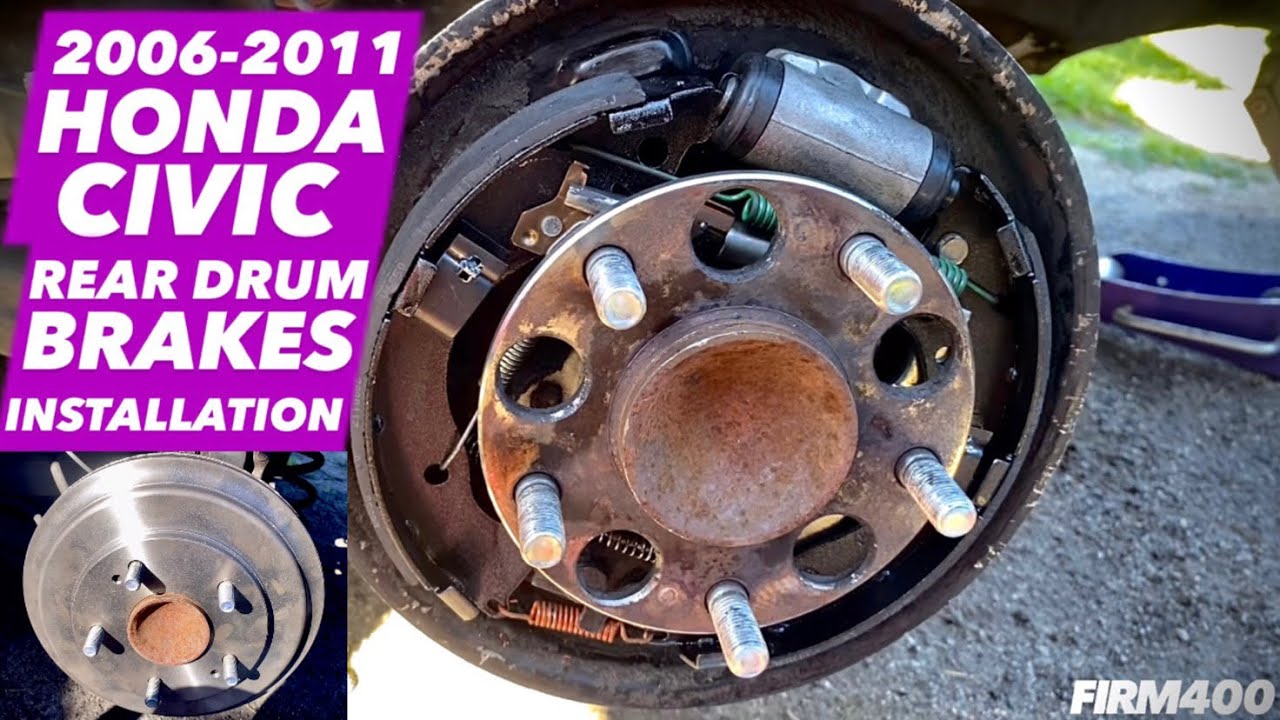
Drum brakes, a technology dating back to the dawn of motoring, are still found on many vehicles today, particularly on the rear axles of smaller cars and trucks. While often overshadowed by their disc brake counterparts, drums remain a reliable and cost-effective braking solution. However, like any mechanical component, they wear down over time and require replacement. Knowing the signs of worn drum brakes is crucial for maintaining safe and effective stopping power.
Common Symptoms of Worn Drum Brakes
Several telltale signs indicate that your drum brakes are nearing the end of their service life. Recognizing these symptoms early can prevent more serious damage and ensure your safety on the road.
- Weak Braking Performance: This is perhaps the most obvious symptom. If you notice that your vehicle takes longer to stop, or requires significantly more pedal effort, your drum brakes may be worn. Reduced friction material on the brake shoes means less stopping force.
- Spongy Brake Pedal: A spongy or soft brake pedal can indicate several issues within the braking system, including air in the lines or a failing master cylinder. However, it can also be a sign of excessive brake shoe travel due to wear. The increased travel is needed to make contact with the drum.
- Brake Pedal Vibration or Pulsation: While typically associated with warped disc brake rotors, vibration or pulsation in the brake pedal can also occur with worn or damaged drum brakes. This could be due to uneven wear on the brake shoes or a warped brake drum itself.
- Unusual Noises: Squealing, grinding, or scraping noises emanating from the rear wheels during braking are strong indicators of brake wear. Squealing is often caused by the wear indicator rubbing against the drum, while grinding or scraping suggests that the brake shoes are worn down to the metal backing plate. Ignoring these noises can lead to damage to the drums themselves, significantly increasing repair costs.
- Parking Brake Issues: Since the parking brake often actuates the rear drum brakes, problems with the parking brake – such as difficulty engaging or disengaging, or a weak hold – can point to underlying issues with the drum brakes. The parking brake cable itself could also be stretched or damaged, but it's wise to inspect the drum brakes as well.
- Pulling to One Side: If your vehicle pulls to one side during braking, it could indicate uneven brake wear. This could be due to a malfunctioning wheel cylinder on one side, causing uneven braking force.
- Visible Brake Dust: While some brake dust is normal, excessive amounts of black dust on the rear wheels can suggest excessive brake wear.
Inspecting Drum Brakes: A Closer Look
While visual inspection of drum brakes is more involved than inspecting disc brakes, it's still possible. Typically, you'll need to remove the wheel and then remove the brake drum itself. This often requires releasing the parking brake and, in some cases, using a specialized brake drum puller.
Once the drum is removed, inspect the brake shoes for the following:
- Thickness: Check the thickness of the friction material. Most manufacturers specify a minimum thickness. If the material is at or below this minimum, replacement is necessary.
- Cracking or Damage: Look for any signs of cracking, delamination, or other damage to the friction material.
- Contamination: Check for oil, grease, or brake fluid contamination, which can significantly reduce braking performance.
Also, inspect the brake drum itself for:
- Scoring: Minor scoring is normal, but deep grooves or excessive scoring can reduce braking performance and may require resurfacing or replacement.
- Cracking: Cracks in the drum are a serious safety hazard and require immediate drum replacement.
- Out-of-Round Condition: An out-of-round drum can cause vibration or pulsation during braking.
Maintenance and Replacement
Regular brake service is crucial for maintaining optimal braking performance and extending the life of your drum brakes. This includes inspecting the brakes, cleaning the components, and lubricating the moving parts. When replacing drum brakes, it's generally recommended to replace both sides simultaneously to ensure even braking. Additionally, consider replacing the wheel cylinders and brake hardware (springs, retainers, etc.) at the same time, as these components can also wear down over time. The cost for a drum brake replacement can vary from $200-$600 depending on the car model.
Ignoring worn drum brakes can lead to dangerous situations and more costly repairs down the road. By understanding the symptoms of brake wear and performing regular inspections, you can ensure your vehicle's braking system remains in top condition.