
How To Tell If Mass Airflow Sensor Is Bad
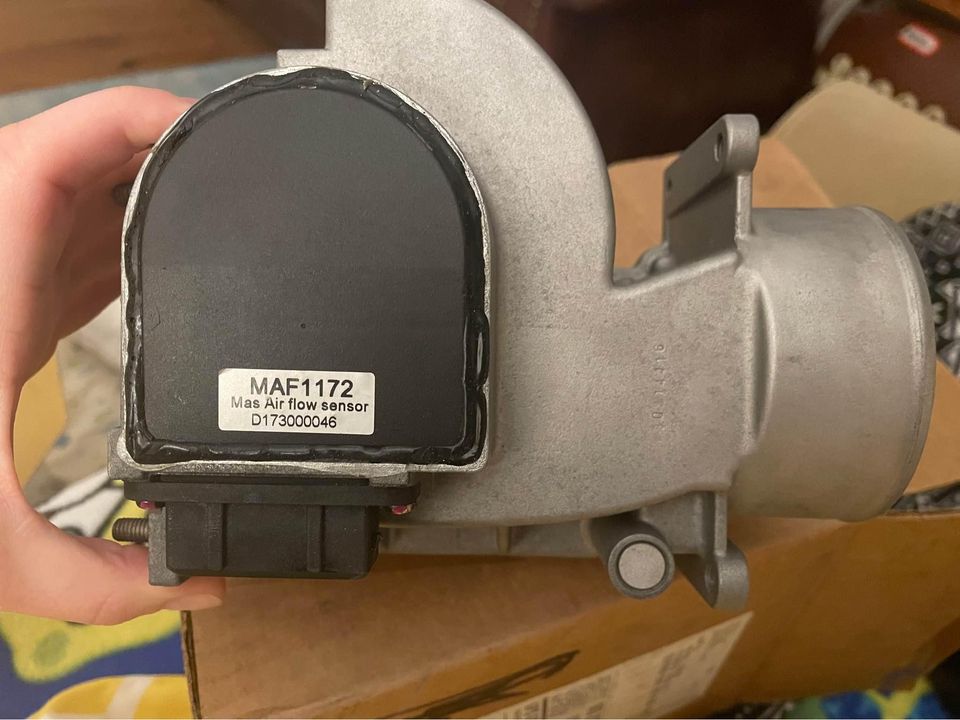
The Mass Airflow (MAF) sensor is a critical component in modern internal combustion engines, playing a vital role in determining the correct air-fuel mixture for optimal combustion. A faulty MAF sensor can lead to a range of performance issues, making accurate diagnosis crucial for automotive professionals. This article delves into the intricacies of MAF sensor diagnostics, exploring failure modes, testing methodologies, and future trends.
Understanding MAF Sensor Functionality
The MAF sensor's primary function is to measure the mass of air entering the engine. This information is then relayed to the Engine Control Unit (ECU), which uses it to calculate the appropriate amount of fuel to inject, ensuring an ideal stoichiometric ratio. There are primarily two types of MAF sensors:
- Hot-wire MAF sensors: These utilize a heated wire or film exposed to the incoming airflow. The amount of current required to maintain a constant temperature in the wire is directly proportional to the mass of air flowing past it.
- Vane meter MAF sensors: These employ a spring-loaded vane that deflects in proportion to the airflow. A potentiometer connected to the vane measures the deflection, providing an electrical signal to the ECU. Vane meter MAF sensors are largely obsolete due to their size and susceptibility to contamination.
Modern vehicles predominantly use hot-wire MAF sensors due to their faster response time and greater accuracy. The hot-wire design allows for precise measurement even at low airflows, leading to improved fuel efficiency and reduced emissions.
Symptoms of a Failing MAF Sensor
A failing MAF sensor can manifest in several ways, impacting vehicle performance and drivability. Common symptoms include:
- Poor fuel economy: An inaccurate MAF reading can cause the ECU to inject too much or too little fuel, leading to inefficient combustion and decreased fuel mileage.
- Rough idling: Erratic airflow readings can disrupt the engine's ability to maintain a stable idle.
- Stalling: Incorrect air-fuel mixtures can cause the engine to stall, especially at low speeds or during deceleration.
- Hesitation or lack of power: The engine may hesitate or lack power during acceleration due to an improper air-fuel ratio.
- Check engine light: The ECU will often trigger a check engine light with diagnostic trouble codes (DTCs) related to the MAF sensor, such as P0100 (MAF Circuit Malfunction), P0101 (MAF Circuit Range/Performance), P0102 (MAF Circuit Low Input), and P0103 (MAF Circuit High Input).
- Black smoke from the exhaust: An excessively rich mixture can result in black smoke emanating from the exhaust pipe.
Diagnostic Procedures
Diagnosing a MAF sensor requires a systematic approach and specialized tools. Here's a detailed breakdown of the process:
- Visual Inspection: Begin by visually inspecting the MAF sensor and its wiring for any signs of damage, corrosion, or loose connections. Check the air filter for excessive dirt, as a clogged filter can negatively impact MAF sensor readings.
- Diagnostic Trouble Code (DTC) Retrieval: Use a scan tool to retrieve any stored DTCs related to the MAF sensor. Note the specific codes and their descriptions.
- Live Data Analysis: Monitor the MAF sensor's output using a scan tool while the engine is running. The MAF sensor reading should increase proportionally with engine RPM. Compare the readings to the manufacturer's specifications. Typically, a healthy MAF sensor should read between 1-2 grams/second at idle and increase significantly as the throttle opens.
- Voltage Testing: Use a multimeter to measure the voltage at the MAF sensor's signal wire. The voltage should vary with airflow. Consult the vehicle's service manual for the correct voltage ranges.
- Frequency Testing (for some models): Some MAF sensors output a frequency signal instead of a voltage signal. Use a frequency meter to measure the frequency output of the sensor and compare it to the manufacturer's specifications.
- Backprobe Testing: Perform backprobe testing to verify the integrity of the MAF sensor's wiring. This involves using a backprobe to measure the voltage at the sensor's connector without disconnecting it.
- Cleaning (with Caution): If the MAF sensor is suspected to be contaminated, carefully clean it with a specialized MAF sensor cleaner. Do not use carb cleaner or brake cleaner, as these can damage the delicate hot wire or film. Follow the manufacturer's instructions carefully. Cleaning is not always effective and may only provide a temporary solution.
Alternatives and Comparisons
While the MAF sensor is the most common method for measuring airflow, some vehicles utilize other systems:
- Speed-Density System: This system relies on pre-programmed maps within the ECU to estimate airflow based on engine speed (RPM) and manifold absolute pressure (MAP).
- Hybrid Systems: Some vehicles combine MAF sensors with MAP sensors for increased accuracy and redundancy.
Pros and Cons:
- MAF Sensor:
- Pros: Accurate airflow measurement, direct correlation to fuel requirements.
- Cons: Susceptible to contamination, can be affected by aftermarket air intakes.
- Speed-Density System:
- Pros: Less susceptible to contamination, simpler design.
- Cons: Less accurate airflow estimation, relies on pre-programmed maps.
Reliability and Maintenance
MAF sensors are generally reliable, but their performance can degrade over time due to contamination from dust, oil, and other debris. Regular air filter replacement is crucial for maintaining MAF sensor health. Avoid using oiled air filters, as the oil can coat the hot wire and affect its accuracy.
Preventive maintenance should include periodic visual inspections of the MAF sensor and its wiring. If the sensor appears dirty, carefully clean it with a dedicated MAF sensor cleaner. If cleaning doesn't resolve the issue, replacement is often the best option.
Future Trends
The future of airflow measurement in automotive applications is likely to involve more sophisticated and robust sensors. Expect to see:
- Digital MAF sensors: These sensors provide a digital output signal, which is less susceptible to noise and interference than analog signals.
- Improved contamination resistance: Future MAF sensors may incorporate self-cleaning features or be designed to be less sensitive to contamination.
- Integration with other sensors: MAF sensors may be integrated with other sensors, such as temperature and humidity sensors, to provide a more comprehensive picture of the intake air characteristics.
- Solid-state MAF sensors: Research into solid-state MAF sensors is ongoing, offering the potential for smaller size, lower power consumption, and increased durability.
Conclusion
The Mass Airflow (MAF) sensor is a critical component that demands meticulous diagnostics for optimal engine performance. As the automotive industry evolves towards more complex and efficient engines, a thorough understanding of MAF sensor functionality, diagnostic procedures, and future trends is essential for automotive professionals. Keeping abreast of these advancements will ensure accurate diagnoses, efficient repairs, and ultimately, greater customer satisfaction. The increasing focus on fuel efficiency and emissions control means that the MAF sensor will remain a vital part of the automotive landscape for the foreseeable future, demanding a high level of expertise from technicians.