
How To Tell If My Water Pump Is Going Bad
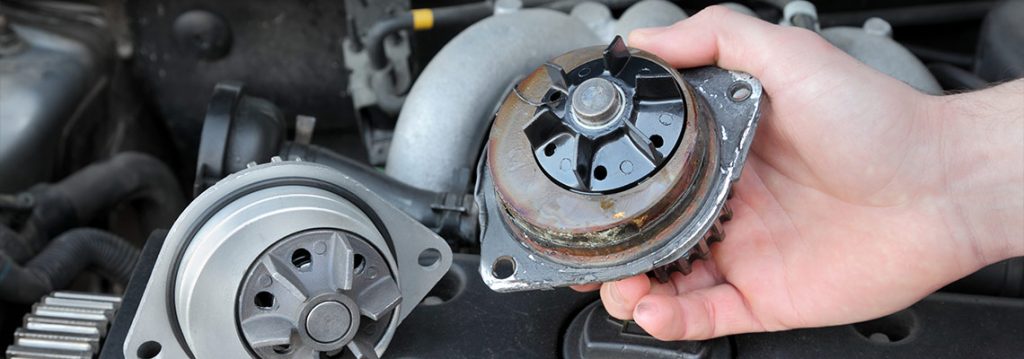
The water pump, often an unsung hero of the internal combustion engine, plays a vital role in maintaining optimal operating temperature. It's the tireless heart of the cooling system, circulating coolant throughout the engine block, radiator, and heater core. When this vital component begins to fail, the consequences can range from reduced fuel efficiency to catastrophic engine damage. This article provides a comprehensive guide to identifying the warning signs of a failing water pump, allowing you to address the issue before it leads to more significant, and expensive, repairs.
Visual Inspection: The First Line of Defense
A thorough visual inspection is always the first step in diagnosing potential water pump issues. Begin by examining the water pump housing itself. Look for any signs of coolant leaks. These leaks often manifest as a crusty, discolored residue – typically green, orange, or yellow depending on the type of coolant used in your vehicle. Pay particular attention to the area around the weep hole. This small hole is designed to release pressure if the seal between the impeller shaft and the pump housing begins to fail. A consistent drip or even a small accumulation of coolant near the weep hole is a telltale sign of impending failure.
Next, inspect the water pump pulley. Check for any signs of rust or corrosion, which can indicate that coolant has been leaking onto the pulley. Also, examine the drive belt that connects the pulley to the engine. A worn, cracked, or glazed belt can contribute to water pump failure, as it may not provide sufficient grip to turn the pump at the required speed. Look for signs of belt slippage, such as squealing or chirping noises, especially during engine start-up or acceleration.
Auditory Clues: Listening for Trouble
A failing water pump often announces its impending demise through unusual noises. A high-pitched whining or grinding sound emanating from the front of the engine, especially when the engine is cold, is a common symptom. This noise is usually caused by worn or damaged bearings within the water pump. As the bearings deteriorate, the impeller shaft may become misaligned, leading to further noise and reduced pumping efficiency. It is important to note the difference between the normal operating sounds of the engine and unusual noises. Record the sounds if possible for later review and or when you take your vehicle to a mechanic.
Overheating: A Critical Indicator
One of the most serious and readily apparent symptoms of a failing water pump is engine overheating. If your vehicle's temperature gauge consistently reads higher than normal, or if the warning light illuminates, it's crucial to investigate the cooling system immediately. A failing water pump may not be able to circulate coolant effectively, leading to a rapid increase in engine temperature. In severe cases, overheating can cause significant engine damage, including warped cylinder heads, blown head gaskets, and even complete engine seizure. A healthy water pump ensures the cooling system works as intended and at full capacity.
Heater Inefficiency: A Comfort Concern
A less obvious, but still significant, symptom of a failing water pump is reduced heater performance. If your vehicle's heater is blowing cold air, even when the engine is warm, it could be due to insufficient coolant circulation. A failing water pump may not be able to force coolant through the heater core, resulting in a lack of heat in the cabin. While other factors can also contribute to heater inefficiency, a faulty water pump should be considered as a potential cause.
Impeller Inspection: A Deeper Dive
In some cases, diagnosing a water pump issue may require removing the pump for a more thorough inspection. Once removed, examine the impeller – the component responsible for circulating coolant. Look for signs of corrosion, erosion, or damage to the impeller blades. Plastic impellers, in particular, are prone to cracking and disintegrating over time, reducing their pumping efficiency. Additionally, check for excessive play or wobble in the impeller shaft, which can indicate worn bearings. If the impeller shows any signs of damage or wear, the water pump should be replaced immediately.
In conclusion, proactively monitoring your vehicle for the signs of a failing water pump and properly addressing those issues will keep you on the road. Remember to prioritize safety and seek professional assistance when needed to ensure the longevity and reliability of your vehicle.