
How To Tell If Power Brake Booster Is Bad
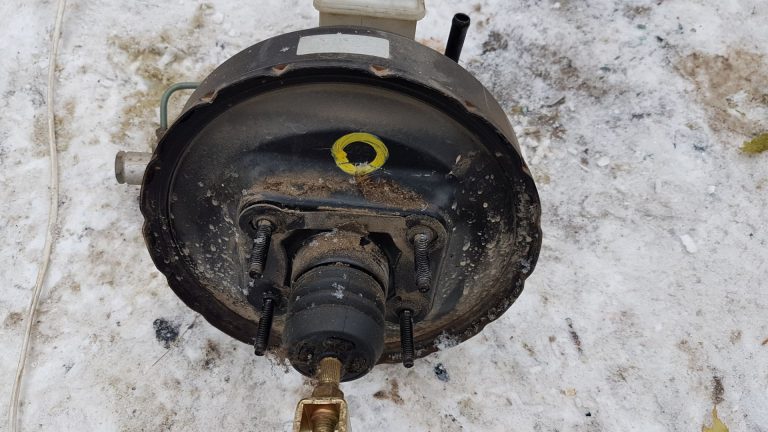
The humble power brake booster, often tucked away and out of sight, is a critical component in modern vehicles. It leverages engine vacuum (or electric motor power in newer vehicles) to amplify the force you apply to the brake pedal, making stopping easier and safer. But like any mechanical component, it can fail. Knowing how to identify a bad power brake booster is essential for maintaining vehicle safety, regardless of whether you're wrenching on a classic muscle car or piloting a cutting-edge electric SUV.
Classic Symptoms – Still Relevant Today
Before we dive into the electrified future, let's recap the classic signs of a failing power brake booster. These indicators remain surprisingly consistent, even as the underlying technology evolves:
- Increased Pedal Effort: This is the most common symptom. If you find yourself having to push much harder on the brake pedal to achieve the same stopping power, the booster is likely struggling.
- High, Hard Pedal: A pedal that feels unusually high and requires excessive force is a strong indicator of booster failure.
- Hissing Sound: A hissing noise emanating from the brake pedal area when you press it indicates a vacuum leak within the booster. This is usually caused by a damaged diaphragm.
- Poor Engine Performance: In vacuum-boosted systems, a leak in the booster can affect engine vacuum, leading to rough idling, stalling, or reduced fuel economy. This is less common in newer, electronically boosted systems.
- Erratic Braking: A failing booster can cause inconsistent braking performance, making it difficult to modulate brake pressure smoothly.
While these symptoms are reliable, the diagnostic approach needs to adapt to the changing automotive landscape.
Electric and Hybrid Challenges: New Tech, New Issues
The rise of electric vehicles (EVs) and hybrid systems introduces new complexities. Many EVs utilize an electric vacuum pump to generate vacuum for the booster, especially when the regenerative braking system (which recovers energy during deceleration) isn't providing sufficient deceleration. In hybrid systems, the vacuum pump might be electric or mechanically driven depending on the engine state.
This means diagnosing a brake booster issue in an EV or hybrid requires checking not only the booster itself but also the electric vacuum pump, its wiring, and its control module. A multimeter and a scan tool capable of reading manufacturer-specific codes are essential. Look for codes related to:
- Vacuum pump failure
- Low vacuum pressure
- Booster solenoid malfunctions
Furthermore, regenerative braking adds another layer. If regenerative braking is malfunctioning, it can mask or exacerbate the symptoms of a failing power brake booster. Ensure the regenerative braking system is functioning correctly before assuming the booster is the sole culprit. Diagnostic software is critical here.
Smart Automotive Solutions: Over-the-Air Diagnostics?
The future of automotive diagnostics is undoubtedly connected. We're already seeing advancements in over-the-air (OTA) updates and remote diagnostics. Imagine a scenario where your vehicle's onboard sensors continuously monitor brake booster performance, analyzing vacuum pressure, pedal travel, and braking force. If anomalies are detected, the vehicle could proactively alert you to a potential issue and even schedule a service appointment.
AI-powered diagnostic systems could analyze vast amounts of data from vehicles on the road to identify common failure patterns and predict potential issues before they even manifest. This predictive maintenance approach could significantly reduce downtime and improve vehicle safety.
However, this vision presents challenges. Data privacy concerns, cybersecurity threats, and the need for robust and reliable sensors are significant hurdles to overcome. Standardized data formats and open communication protocols are also crucial for enabling interoperability between different vehicle manufacturers and service providers.
The Road Ahead: Braking Systems of Tomorrow
Beyond incremental improvements, the future holds radical transformations in braking technology. Brake-by-wire systems, which eliminate the mechanical linkage between the brake pedal and the brakes themselves, are gaining traction. These systems offer greater precision, faster response times, and improved integration with advanced driver-assistance systems (ADAS) like automatic emergency braking (AEB).
Solid-state braking systems, currently under development, promise even greater efficiency and reliability. These systems use electronic signals to directly control brake actuators, eliminating the need for hydraulics altogether. This could lead to lighter, more compact braking systems with significantly reduced maintenance requirements.
But adoption won't be immediate. Cost, reliability concerns, and regulatory hurdles need to be addressed. The transition will be gradual, with hybrid systems incorporating elements of both traditional and advanced braking technologies.
Despite the challenges, the future of braking is bright. The pursuit of safer, more efficient, and more reliable braking systems will drive innovation for years to come. As mobility transforms, the humble power brake booster, in its various forms, will continue to play a vital role in ensuring safe and controlled deceleration. The evolution from vacuum assist to electrically powered and digitally controlled systems is a testament to human ingenuity.
Ultimately, the future of mobility hinges on seamless and safe interaction between humans and machines. Sophisticated braking systems, intelligently integrated into the broader vehicle ecosystem, will be the silent guardians of our journeys, empowering us to explore new horizons with confidence and peace of mind. Imagine a world with near-zero accidents thanks to these advanced systems, the power brake booster is just the beginning.