
How To Tell If Rotors Need To Be Replaced
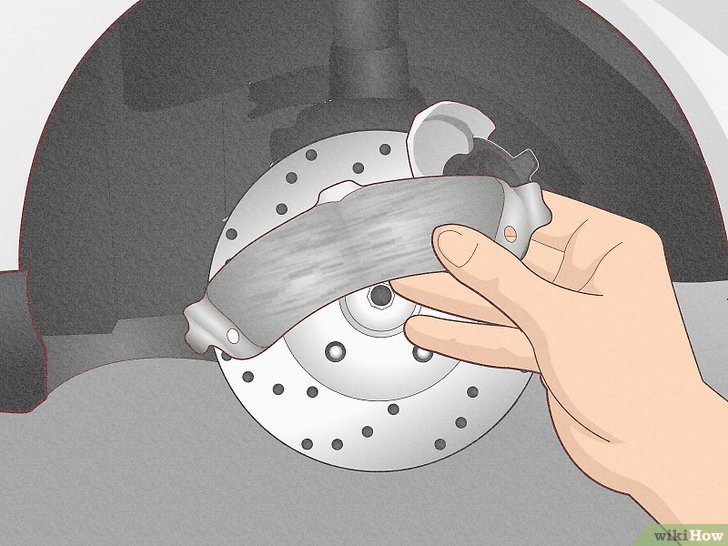
Alright, let's talk rotors. Your brake rotors, or brake discs, are a crucial component of your braking system. Knowing when they need replacement is vital for safety and performance. As an experienced DIYer, you probably already know the basics, but let's dive into the details and nuances so you can make informed decisions about your rotor health.
Understanding Rotor Function and Wear
First, a quick refresher. Rotors provide the friction surface against which your brake pads clamp down to slow or stop your vehicle. Each time you brake, a small amount of material is worn away from both the pads and the rotors. Over time, this wear leads to reduced rotor thickness, potential warping, and other issues that compromise braking efficiency. Understanding the different types of wear is key to diagnosing rotor problems.
Types of Rotor Wear
- Normal Wear: This is the gradual thinning of the rotor due to friction. This is unavoidable.
- Scoring and Grooving: Debris, such as small rocks or worn-out brake pad material, can become embedded in the brake pads and score the rotor surface. Minor scoring is normal, but deep grooves are a sign of a serious problem.
- Warping (Thickness Variation): While the term "warped rotors" is commonly used, rotors rarely actually warp in the traditional sense of bending. What's typically happening is thickness variation, also known as brake thickness variation (BTV). This means that some sections of the rotor are thinner than others, usually caused by uneven pad deposits. This leads to pulsations in the brake pedal.
- Rusting: Surface rust is common, especially on vehicles that sit for extended periods or are driven in wet climates. Light surface rust usually disappears after a few brake applications. However, heavy, pitted rust can significantly reduce rotor life and braking performance.
- Cracking: Cracks, particularly near the drilled holes or slots on performance rotors, are a major safety concern and warrant immediate replacement.
Methods for Identifying Rotor Replacement Needs
Now, let's get into the specifics of how to determine if your rotors need to be replaced. There are several key indicators to look for:
1. Measuring Rotor Thickness
This is the most accurate method. Every rotor has a minimum thickness specification. This value is usually stamped on the rotor itself, often on the hub or the outer edge. To measure rotor thickness, you'll need a caliper – preferably a micrometer caliper for better accuracy. Here's the process:
- Clean the Rotor: Use brake cleaner and a wire brush to remove any rust or debris from the rotor surface, especially where you'll be taking measurements.
- Take Multiple Measurements: Measure the rotor thickness at several points around the circumference of the rotor. This helps identify any thickness variation. Aim for at least 4-6 measurements, spaced evenly.
- Compare to Minimum Thickness: Compare your measurements to the minimum thickness specification. If any of your measurements are at or below the minimum thickness, the rotor *must* be replaced. Exceeding this specification can lead to rotor failure, which is extremely dangerous.
Important Note: Even if your rotor is *just* above the minimum thickness, consider other factors like scoring, rusting, and your overall braking performance. If you have any doubts, err on the side of caution and replace the rotors.
2. Visual Inspection
A thorough visual inspection can reveal several telltale signs of rotor problems. Look for:
- Deep Scoring or Grooving: Minor scratches are normal, but deep grooves that you can easily feel with your fingernail indicate significant wear and potential damage.
- Cracks: Any cracks, especially those extending from drilled holes or slots, are a critical safety concern. Replace the rotors immediately.
- Excessive Rust: While surface rust is normal, heavy pitting or flaking rust indicates that the rotor is severely corroded and needs replacement.
- Uneven Wear: If the rotor surface appears uneven or has noticeable discoloration, it could indicate uneven brake pad contact or other underlying issues.
3. Feeling for Pulsations and Vibrations
While driving, pay attention to how your brakes feel. Common symptoms indicating potential rotor problems include:
- Brake Pedal Pulsations: A pulsing sensation in the brake pedal, especially during light braking, is a strong indicator of rotor thickness variation (BTV). This is often misdiagnosed as "warped rotors."
- Steering Wheel Vibrations: Vibrations in the steering wheel during braking can also be caused by rotor issues, although they can also be related to suspension or steering components.
- Noisy Brakes: Squealing, grinding, or other unusual noises during braking can be caused by worn brake pads rubbing against damaged rotors.
Important Note: These symptoms can also be caused by other issues, such as worn brake pads, loose suspension components, or uneven tire wear. It's essential to perform a thorough inspection to pinpoint the exact cause.
4. Considering Mileage and Driving Habits
While not a definitive indicator, mileage and driving habits can give you a general idea of when your rotors might need replacement. Rotors typically last between 30,000 and 70,000 miles, depending on driving conditions and braking habits. Aggressive driving, frequent stop-and-go traffic, and towing heavy loads can significantly shorten rotor life. If you're approaching the upper end of this range, it's a good idea to inspect your rotors, even if you're not experiencing any noticeable symptoms.
The Importance of Replacing Rotors in Pairs
It's generally recommended to replace rotors in pairs (both front or both rear) to maintain even braking performance. Replacing only one rotor can lead to uneven brake force distribution, which can cause pulling to one side during braking and compromise vehicle stability. This is especially important if you're experiencing BTV. New pads are always recommended with new rotors.
Always remember: Your brakes are a critical safety system. If you're unsure about anything, consult a qualified mechanic.
Conclusion
Regularly inspecting your brake rotors is essential for maintaining safe and reliable braking performance. By understanding the signs of rotor wear and following these guidelines, you can confidently determine when your rotors need to be replaced and keep your vehicle operating safely. Don't neglect this crucial maintenance item – your safety and the safety of others depend on it.