
How To Tell If U Have A Bad Wheel Bearing
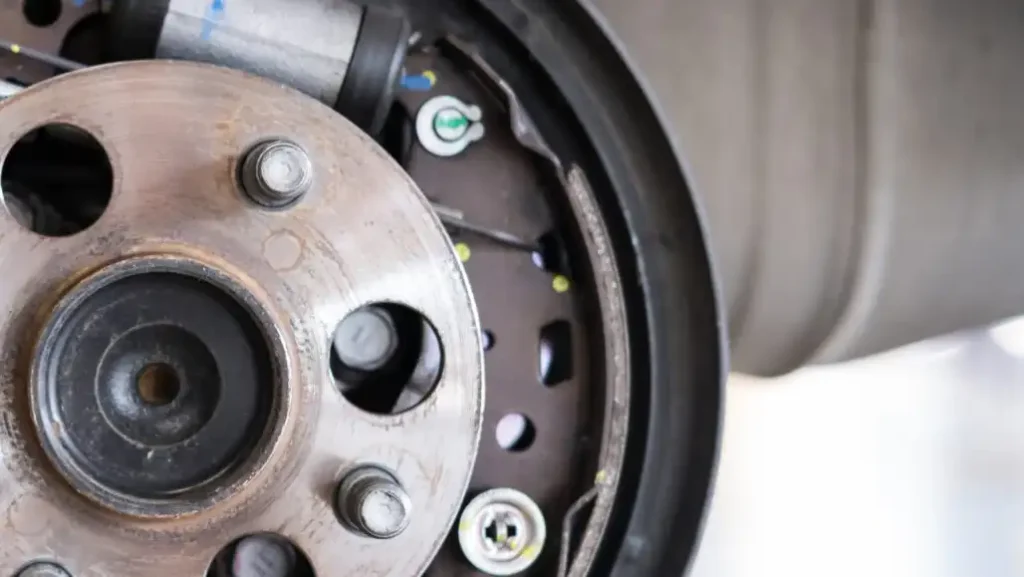
Alright, let's talk about wheel bearings – those unsung heroes that keep your wheels spinning smoothly. A failing wheel bearing can go from a minor annoyance to a downright dangerous situation pretty quickly, so it's important to know how to spot the signs. This isn't a job you want to ignore. We're going to dive deep into diagnosing a bad wheel bearing, covering the common symptoms, diagnostic techniques, and even some advanced troubleshooting tips.
Understanding Wheel Bearings
First, a quick refresher. A wheel bearing is essentially a set of steel balls (or tapered rollers in some cases) held together by a metal ring, called a race. These bearings sit inside the hub, allowing the wheel to rotate freely around the axle. They’re designed to handle both radial load (weight of the vehicle) and axial load (forces from cornering). Over time, these bearings can wear out, become contaminated, or get damaged from impacts. This leads to the symptoms we’ll discuss.
Common Symptoms of a Bad Wheel Bearing
The most common indicator is noise. However, pinpointing the source and severity of the problem requires careful attention. Here’s a breakdown of the common symptoms:
1. Grinding, Humming, or Roaring Noise
This is the hallmark symptom. The noise typically increases with speed and may change in intensity or even disappear when turning. Why? When a bearing is worn, the smooth rolling action is replaced by grinding or rubbing, producing those distinct noises. Turning shifts the load on the bearings. If the noise changes or disappears when turning left or right, it's a strong indicator the bearing on the *opposite* side of the direction you are turning toward is failing. Turning *toward* the bad bearing offloads it, often reducing or eliminating the noise. Turning *away* from the bad bearing loads it more, increasing the noise.
Example: If you hear a roaring noise that gets louder when turning left, the right front wheel bearing is likely the culprit.
2. Wheel Play or Looseness
This is a more advanced symptom that indicates significant bearing wear. To check for wheel play, jack up the suspect wheel and securely support the vehicle with jack stands. Grab the wheel at the 12 and 6 o'clock positions and try to rock it back and forth. You should feel no play. A small amount of play (even a millimeter or two) is a red flag. Repeat the test at the 3 and 9 o'clock positions. If you feel play, it's likely due to a worn wheel bearing or potentially a worn ball joint or tie rod end – further investigation is needed to isolate the exact source.
Warning: If you feel excessive play, do not drive the vehicle. The wheel could separate from the vehicle, leading to a serious accident.
3. Vibration
A failing wheel bearing can cause vibrations that you feel through the steering wheel or the floorboard. The vibration is often most noticeable at highway speeds. Why? The uneven rolling of the worn bearing transmits vibrations into the suspension and chassis.
Vibration can also be caused by other issues (tire imbalance, bent wheel, etc.), so don't automatically assume it's a wheel bearing. Rule out other possibilities first.
4. Uneven Tire Wear
Although less common, a severely worn wheel bearing can cause uneven tire wear. The excessive play in the bearing can affect wheel alignment and cause the tire to wear unevenly on the inside or outside edge. This is usually a late-stage symptom.
5. ABS Malfunction
Many modern vehicles use the wheel bearings as the mounting point for the ABS (Anti-lock Braking System) sensor. A damaged bearing can interfere with the ABS sensor's signal, triggering the ABS warning light. You might also experience erratic ABS activation. If you are experiencing an ABS light and have confirmed no issues with the sensor itself, it is definitely worth checking your wheel bearings.
6. Heat in the Wheel Hub
This is a sign of serious bearing failure. If you suspect a bad wheel bearing, carefully touch the wheel hub after driving (use caution – it may be very hot!). Compare the temperature of the suspect hub to the hub on the opposite side of the vehicle. A significantly hotter hub indicates excessive friction inside the bearing. Important: Be very careful not to burn yourself. A seized bearing can generate enough heat to ignite grease and cause a fire.
Diagnostic Techniques
Once you suspect a bad wheel bearing, it’s time to confirm the diagnosis. Here's a step-by-step approach:
1. The Road Test
Start with a careful road test. Pay close attention to the noise. Note when it occurs, what speed it's loudest at, and how it changes when turning. Try to isolate the location of the noise. Does it seem to be coming from the front or rear? Left or right?
Pro Tip: Find a smooth, quiet road to minimize background noise.
2. Visual Inspection
With the vehicle safely supported on jack stands, visually inspect the wheel bearing. Look for any signs of grease leakage or damage to the hub. If you see grease splattered around the hub, it's a clear sign that the bearing seal has failed and the bearing is likely compromised. Also, check for any obvious damage to the CV joint boot (if applicable) as a torn boot can lead to grease contamination and bearing failure. A failed CV joint can cause symptoms similiar to a bad wheel bearing.
3. The Wheel Play Test (Again!)
Re-perform the wheel play test described earlier, paying close attention to the amount of movement and the location of the play. If you still are not sure whether the play is coming from the ball joints or the wheel bearing, disconnect the tie rod end from the steering knuckle. This will eliminate any play from the tie rod end. Then, try wiggling the wheel again. If there's still play, it's likely the wheel bearing.
4. The Stethoscope Trick
A mechanic's stethoscope can be incredibly helpful for pinpointing the source of the noise. With the vehicle safely supported on jack stands, have a helper spin the wheel while you listen to the wheel bearing with the stethoscope. A healthy bearing will sound smooth and quiet. A failing bearing will sound rough, gritty, or noisy. Important: Ensure the vehicle is in neutral (or park) and the parking brake is released before spinning the wheel.
Safety First: Be extremely careful when working around rotating parts. Keep your hands, clothing, and tools clear of the spinning wheel.
Advanced Troubleshooting
Sometimes, the symptoms are subtle, and it can be difficult to definitively diagnose a bad wheel bearing. Here are some advanced troubleshooting tips:
1. Load Test
This test involves putting the suspect bearing under load to see if the noise changes. Have a helper sit in the driver's seat while you spin the wheel. The added weight may make the noise more pronounced.
2. Compare to the Other Side
Compare the sound and feel of the suspect wheel bearing to the bearing on the opposite side of the vehicle. If one side feels noticeably different, it's a good indication that something is wrong.
3. Consider Other Possibilities
Remember that other components can mimic the symptoms of a bad wheel bearing. A worn CV joint, a damaged tire, or even a loose brake caliper can produce similar noises and vibrations. Rule out these possibilities before replacing the wheel bearing.
Final Thoughts
Diagnosing a bad wheel bearing requires a combination of careful observation, methodical testing, and a bit of experience. By following the steps outlined above, you can confidently identify a failing wheel bearing and take the necessary steps to repair it. Remember to prioritize safety and consult a professional if you're unsure about any aspect of the repair. A faulty wheel bearing is not something to take lightly.