
How To Tell If Your Alternator Is Working
The alternator is a vital component of your car's electrical system. Its job is to recharge the battery while the engine is running and to provide power to all the electrical components, such as the lights, radio, and air conditioning. A failing alternator can leave you stranded, so it's important to know how to tell if it's working correctly. This article will cover common symptoms, causes, and fixes to help you troubleshoot alternator issues and keep your car running smoothly.
Common Symptoms of a Failing Alternator
Recognizing the early warning signs of a failing alternator can prevent a breakdown. Here are some common symptoms:
- Dim or Flickering Lights: One of the most noticeable signs is dimming headlights, interior lights, or dashboard lights, especially at idle. The lights may brighten as you accelerate. This happens because the alternator isn't producing enough power to keep up with the demand.
- Dead Battery or Trouble Starting: If your battery is constantly dead, even after a jump start, the alternator might not be recharging it properly. If your car cranks slowly or struggles to start, it's a sign that the battery isn't getting enough charge from the alternator. However, a bad battery can also cause similar symptoms, so it’s important to distinguish between the two.
- Warning Light on the Dashboard: The battery warning light (shaped like a battery) or the "ALT" warning light illuminating on your dashboard is a clear indicator of a potential charging system problem. Don't ignore this light.
- Unusual Noises: A failing alternator can produce whining, growling, or grinding noises, especially when the engine is running. These noises often come from worn-out bearings inside the alternator.
- Electrical Problems: Issues with other electrical components, such as the radio, power windows, or air conditioning, can also point to an alternator problem. These components may work intermittently or not at all if the alternator isn't providing enough power.
Troubleshooting the Alternator
Once you've identified potential symptoms, you can perform some basic troubleshooting steps:
Visual Inspection
Start with a visual inspection of the alternator itself. Look for:
- Loose or Damaged Wiring: Check the wires connected to the alternator for any signs of corrosion, fraying, or loose connections.
- Belt Condition: Inspect the serpentine belt (or V-belt, depending on your car model) that drives the alternator. Look for cracks, wear, or looseness. A slipping belt can prevent the alternator from spinning at the correct speed.
- Physical Damage: Check for any visible damage to the alternator housing.
Voltage Test
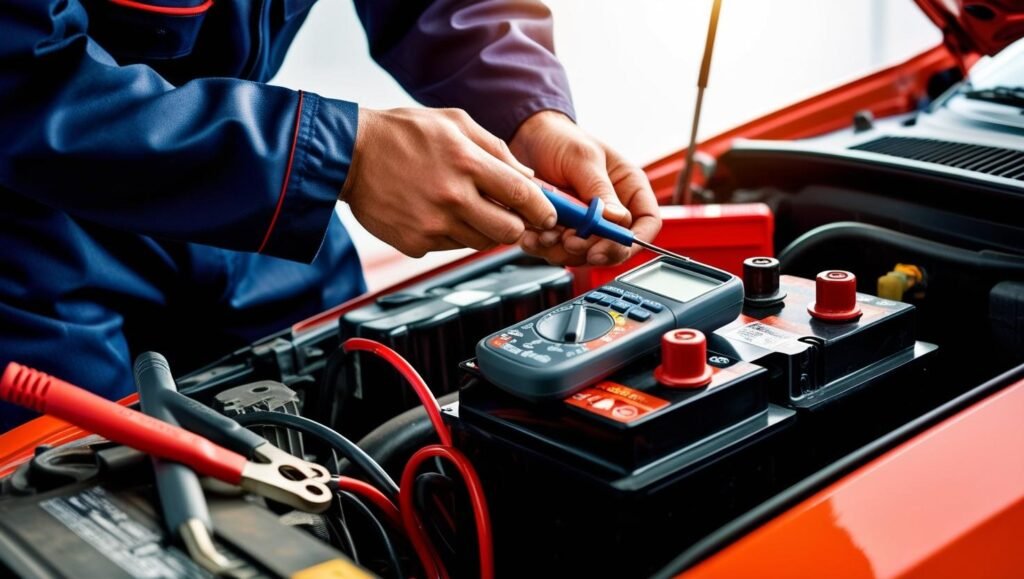
A simple voltage test can help determine if the alternator is producing the correct voltage. You'll need a multimeter for this test:
- Safety First: Wear safety glasses and gloves.
- Battery Voltage: With the engine off, use the multimeter to measure the battery voltage. It should be around 12.6 volts.
- Running Voltage: Start the engine and measure the voltage again. The voltage should now be between 13.5 and 14.5 volts. If it's significantly lower, the alternator is likely not charging the battery properly. If it's significantly higher (above 15 volts), the voltage regulator within the alternator may be faulty, which could damage the battery.
- Load Test: Turn on the headlights, radio, and air conditioning. Measure the voltage again. It should remain above 13 volts. If it drops significantly, the alternator may be unable to handle the electrical load.
Specific Car Model Examples
The troubleshooting process can vary slightly depending on the car model:
- Honda Civic (2010-2015): These models are known for alternator failures around 100,000 miles. A common symptom is the battery light coming on intermittently.
- Ford F-150 (2015-Present): The F-150 can experience alternator issues due to the high electrical demands of modern accessories. Whining noises are often associated with failing alternators in these trucks.
- Toyota Camry (2012-2017): These cars are generally reliable, but alternator problems can occur. Dimming headlights and difficulty starting are common symptoms.
Causes of Alternator Failure
Understanding the causes of alternator failure can help you prevent future issues:
- Worn-Out Bearings: The bearings inside the alternator can wear out over time, causing noise and eventually leading to failure.
- Faulty Voltage Regulator: The voltage regulator controls the alternator's output voltage. If it fails, it can cause overcharging or undercharging, both of which can damage the battery and other electrical components.
- Damaged Diodes: Diodes convert AC voltage to DC voltage. Damaged diodes can reduce the alternator's output and cause it to overheat.
- Loose or Corroded Connections: Loose or corroded wiring can prevent the alternator from charging the battery properly.
- Overloading the System: Consistently using high-power accessories, such as a powerful stereo system, can overload the alternator and shorten its lifespan.
Fixes for Alternator Problems
The appropriate fix depends on the severity of the problem:
- Replacing the Alternator: If the alternator is severely damaged or failing, the best solution is to replace it. You can either replace it yourself (if you have the necessary skills and tools) or take it to a mechanic. Using a remanufactured alternator can be a cost-effective option.
- Replacing the Voltage Regulator: If only the voltage regulator is faulty, you may be able to replace it separately. However, this is often more labor-intensive and may not be worth it compared to replacing the entire alternator.
- Replacing the Serpentine Belt: If the serpentine belt is worn or damaged, replace it. This is a relatively inexpensive and easy repair.
- Cleaning or Tightening Connections: Clean and tighten any loose or corroded wiring connections. This can often resolve minor charging issues.
Preventative Maintenance
Regular maintenance can help extend the life of your alternator and prevent unexpected breakdowns:
- Regularly Inspect the Serpentine Belt: Check the belt for wear and tear and replace it as needed.
- Keep the Battery Terminals Clean: Clean the battery terminals regularly to prevent corrosion.
- Avoid Overloading the Electrical System: Limit the use of high-power accessories, especially when the engine is idling.
- Have the Charging System Checked Regularly: Ask your mechanic to check the charging system during routine maintenance.
By understanding the symptoms of a failing alternator, knowing how to troubleshoot potential problems, and practicing preventative maintenance, you can keep your car's electrical system in top condition and avoid being stranded on the side of the road. Remember, if you're not comfortable working on your car's electrical system, it's always best to consult a qualified mechanic.