
How To Tell If Your Car Has A Kill Switch
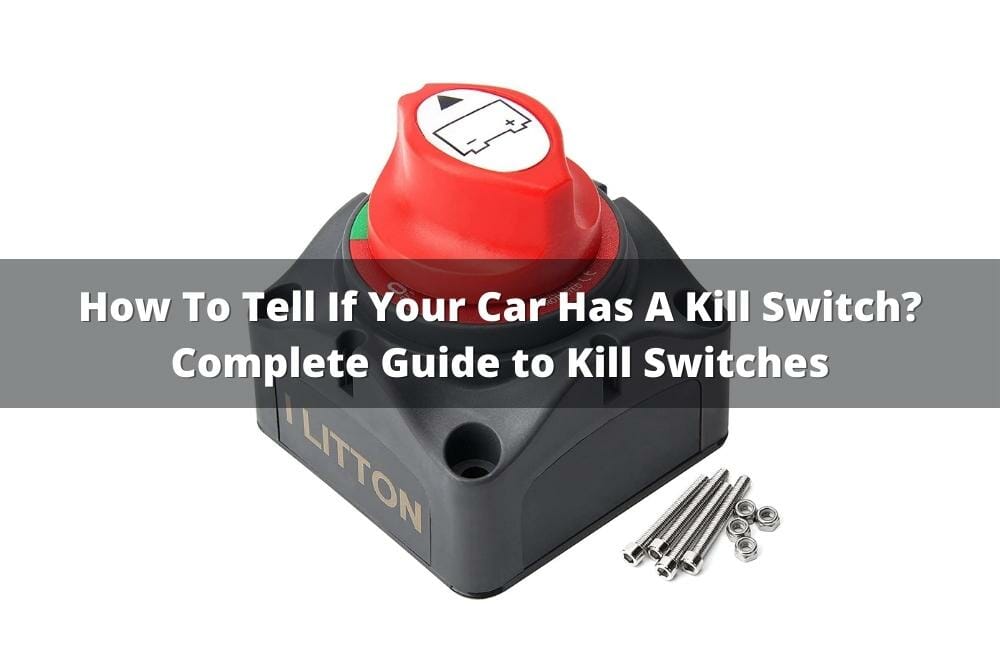
A kill switch, also known as an immobilizer or fuel cut-off switch, is a security device designed to prevent a car from being started without authorization. It's a simple yet effective way to deter theft by interrupting a crucial circuit, usually the ignition, fuel pump, or starter motor. While modern cars often come with factory-installed immobilizers as part of their anti-theft systems, many older vehicles and some newer ones can benefit from aftermarket kill switches for added security.
Understanding the Basics of Kill Switches
At its core, a kill switch is simply a switch that, when activated, breaks a circuit. Think of it like a light switch, but instead of controlling a light, it controls a vital component of your car's engine. When the switch is in the "off" position (kill switch engaged), the circuit is broken, preventing the engine from starting. When the switch is in the "on" position, the circuit is complete, allowing the car to start normally.
There are several types of kill switches, ranging from simple toggle switches to more sophisticated systems that use coded keypads or remote controls. The level of sophistication often correlates with the difficulty of bypassing the switch.
Types of Kill Switches:
- Toggle Switch: The most basic type. A simple on/off switch that's manually operated. These are inexpensive and relatively easy to install, but also easier to find and bypass if the thief knows where to look.
- Hidden Switch: Similar to a toggle switch, but hidden in an obscure location within the vehicle. The goal is to make it difficult for a thief to find the switch quickly.
- Keypad Kill Switch: Requires a numerical code to be entered before the car can be started. Offers better security than a simple toggle switch.
- Remote Control Kill Switch: Uses a remote control to activate or deactivate the kill switch. Can be convenient, but dependent on the remote's battery and signal.
- RFID Kill Switch: Utilizes Radio Frequency Identification (RFID) technology. A key fob or card containing an RFID chip must be within range of the reader for the car to start. Similar to modern keyless entry systems but specifically designed to disable starting.
How to Determine if Your Car Has a Kill Switch
There are several clues that might indicate your car already has a kill switch, whether factory-installed or added by a previous owner.
1. Check Your Owner's Manual and Vehicle Documentation:
The first place to look is your owner's manual. Many modern cars, especially those with factory-installed anti-theft systems, will mention an immobilizer or anti-theft device in the manual. For example, many BMW models have factory immobilizers that require a coded key for the car to start. Similarly, newer Ford vehicles often include Passive Anti-Theft Systems (PATS) which act as an immobilizer. If you have any documentation from previous owners, look for receipts or installation guides related to aftermarket security systems.
2. Look for Aftermarket Security Systems:
Examine your dashboard, steering column, and under the dashboard for any signs of aftermarket security systems. This might include:
- LED Indicators: A small flashing LED light, often red or blue, that indicates the presence of a security system. These are common on many aftermarket alarm systems.
- Keypads: A small numerical keypad, usually mounted on the dashboard or center console.
- Extra Fuses or Wiring: Look for any non-factory wiring or extra fuse holders that might be related to an aftermarket kill switch. Pay close attention to the wiring around the ignition switch, fuel pump relay, and starter motor.
- Remote Control Fobs: Do you have any extra remote control fobs that you don't recognize as being part of the original car key?
3. Test for Starting Issues:
A telltale sign of a kill switch is intermittent starting problems. If your car sometimes cranks but doesn't start, or if it cranks but doesn't even attempt to fire, it could be due to a kill switch being engaged. For example, you might experience this after someone has unknowingly bumped the hidden switch.
Important Note: Before assuming it's a kill switch, rule out other common causes of starting problems such as a dead battery, faulty starter motor, bad fuel pump, or issues with the ignition system. A diagnostic scan can help pinpoint the problem.
4. Inspect Key Components:
If you're comfortable doing so, you can inspect key components to look for signs of a kill switch. Always disconnect the negative terminal of the battery before working on any electrical components.
- Ignition Switch: Check the wiring harness connected to the ignition switch for any signs of tampering or extra wires that don't appear to be factory.
- Fuel Pump Relay: Locate the fuel pump relay (usually in the fuse box) and check for any spliced wires or modifications. A kill switch often interrupts the power supply to the fuel pump.
- Starter Motor: Inspect the wiring to the starter motor for any signs of interruption or added switches.
5. Consult a Mechanic:
If you're unsure whether your car has a kill switch, or if you're uncomfortable inspecting the electrical system yourself, the best course of action is to consult a qualified mechanic. They have the knowledge and tools to diagnose the issue and determine if a kill switch is present.
Examples in Popular Car Models:
- Older Honda Civics (Pre-2000): These are popular targets for theft and frequently had aftermarket kill switches installed. Common locations include a switch hidden under the seat, in the glove compartment, or near the steering column.
- Classic Mustangs: Given their value and desirability, many classic Mustangs have kill switches installed to protect against theft. These are often cleverly hidden, such as integrated into the dashboard or disguised as a non-functional accessory.
- Late Model Trucks (Ford F-150, Chevy Silverado): Due to their resale value and often being left unattended on job sites, trucks are also prime candidates for aftermarket kill switches.
Practical Takeaways and Considerations
If you suspect your car has a kill switch, here are some practical steps you can take:
- Trace the Wires: If you find a suspicious switch, try to trace the wires connected to it. This can help you determine which circuit the switch is interrupting.
- Document Everything: Take pictures and make notes of any modifications you find. This will be helpful if you need to troubleshoot the system later or remove it.
- Be Careful: Work carefully and avoid cutting or disconnecting any wires until you're sure of their function. Incorrectly disconnecting wires can damage your car's electrical system.
- Consider Professional Removal: If you're not comfortable working on the electrical system, have a professional mechanic remove the kill switch.
Remember, even if your car has a kill switch, it's still important to take other precautions to protect your vehicle from theft. This includes parking in well-lit areas, using a steering wheel lock, and installing a modern alarm system with GPS tracking.
Disclaimer: Working with automotive electrical systems can be dangerous. If you are not comfortable working with electricity, consult a qualified mechanic. The information provided in this article is for informational purposes only and should not be considered professional advice.