
How To Tell If Your Car Suspension Is Bad
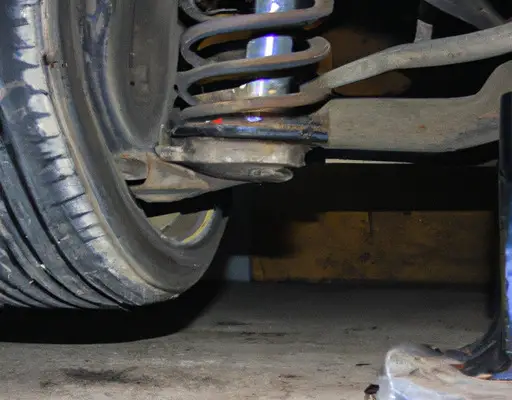
Your car's suspension is the unsung hero of a comfortable and safe ride. It's responsible for absorbing bumps, keeping your tires firmly planted on the road, and maintaining vehicle stability. Ignoring suspension problems can lead to a jarring ride, reduced handling, and even increased wear and tear on other components. This article provides a practical guide for both car owners and mechanics on how to diagnose a failing suspension.
Recognizing the Symptoms: A Problem-Solving Approach
The first step in identifying a bad suspension is knowing what to look and listen for. Here's a breakdown of common symptoms, potential causes, and possible solutions:
1. Bouncy Ride: The 'Boat' Feeling
Symptom: Excessive bouncing after hitting a bump, feeling like you're on a boat, or the car continuing to oscillate up and down long after the initial impact.
Possible Causes: Worn out shocks or struts are the most common culprit. These components are designed to dampen the spring's oscillations. Over time, the fluid inside them can leak, causing them to lose their effectiveness. Leaking or damage to the struts or shocks.
Solution: Inspect the shocks and struts for visible leaks. If they're leaking or show signs of damage, replacement is necessary. This is a common issue in older Honda Civics and Toyota Corollas where suspension components tend to wear out after several years of use. Typically, replacing them in pairs (both front or both rear) ensures balanced handling and consistent performance. If the vehicle has air suspension, check for leaks in the air bags or malfunctioning compressor.
2. Nose Diving or Squatting: The Drama of Braking and Acceleration
Symptom: The front of the car dips excessively when braking (nose diving) or the rear of the car sags significantly when accelerating (squatting).
Possible Causes: This often indicates worn out shocks or struts, as they're unable to control the weight transfer during these maneuvers. Weakened or broken springs can also contribute to this issue. On vehicles with more complex suspension systems, like some BMW models, this could also point to problems with the active suspension components.
Solution: Similar to a bouncy ride, start by inspecting the shocks and struts. If they appear fine, examine the coil springs for cracks or breaks. Replacing the affected springs and struts or shocks is the recommended fix. Neglecting this issue can lead to longer stopping distances and reduced control, especially in emergency situations. For vehicles with active suspension systems, a diagnostic scan is usually necessary to pinpoint the faulty component.
3. Uneven Tire Wear: A Silent Killer
Symptom: Tires wearing out unevenly, with more wear on the inside or outside edges of the tire.
Possible Causes: This is a complex issue that can stem from several suspension problems, including worn ball joints, tie rod ends, control arm bushings, or misaligned wheels. A failing wheel bearing can also cause unusual tire wear.
Solution: A thorough inspection of the entire suspension system is crucial. Check for play in the ball joints and tie rod ends by attempting to move them with your hands (with the vehicle safely supported). Examine the control arm bushings for cracks or tears. A wheel alignment is essential after replacing any of these components. This is a prevalent issue in trucks like Ford F-150, where heavy use can accelerate wear on suspension parts, resulting in noticeable uneven tire wear. Failing to address this can lead to premature tire replacement and compromised safety.
4. Clunking or Banging Noises: The Soundtrack of a Broken Suspension
Symptom: Hearing clunking or banging noises, especially when going over bumps or turning.
Possible Causes: This noise often indicates worn or broken suspension components such as ball joints, tie rod ends, sway bar links, or control arm bushings. A loose or broken spring can also be the source of the noise. Worn shock or strut mounts.
Solution: Identify the source of the noise through careful inspection. Visually inspect the suspension components for damage or excessive play. If a component is loose or broken, replace it immediately. Sway bar links are often the first to fail, especially on vehicles driven on rough roads. For example, many Subaru Outbacks experience sway bar link failure due to their active lifestyle. Addressing these noises promptly prevents further damage and ensures safe handling.
5. Difficulty Steering: Losing Control
Symptom: The car feels loose or wanders on the road, making it difficult to maintain a straight line. Steering feels vague or unresponsive. Vehicle pulling to one side.
Possible Causes: Worn tie rod ends are a common cause of steering problems. Worn ball joints, misaligned wheels, or a damaged steering rack can also contribute to this issue.
Solution: Inspect the tie rod ends and ball joints for play. A wheel alignment is necessary after replacing any steering components. In some cases, a failing steering rack may need to be replaced. Ignoring steering problems is dangerous and can lead to accidents. Proper diagnosis and repair are crucial for maintaining control of your vehicle.
Preventative Maintenance: Keeping Your Suspension Healthy
Regular maintenance is key to extending the life of your suspension system and preventing costly repairs. Here are some tips:
- Routine Inspections: Have your suspension system inspected by a qualified mechanic at least once a year, or more frequently if you drive on rough roads or carry heavy loads.
- Proper Tire Inflation: Maintaining proper tire pressure is crucial for both ride comfort and suspension health. Overinflated tires can transmit more road shock to the suspension, while underinflated tires can cause excessive wear on suspension components.
- Avoid Potholes and Obstacles: Whenever possible, avoid hitting potholes and other obstacles that can damage your suspension.
- Wheel Alignments: Get your wheels aligned regularly, especially after hitting a significant bump or pothole.
- Replace Worn Components Promptly: Don't delay replacing worn suspension components. Addressing problems early can prevent further damage and save you money in the long run.
By being proactive and paying attention to the signs, you can keep your car's suspension in top condition, ensuring a safe, comfortable, and enjoyable driving experience. Understanding these common issues and addressing them promptly will save you money and keep you and your passengers safe on the road.