
How To Tell When Car Battery Is Going Bad
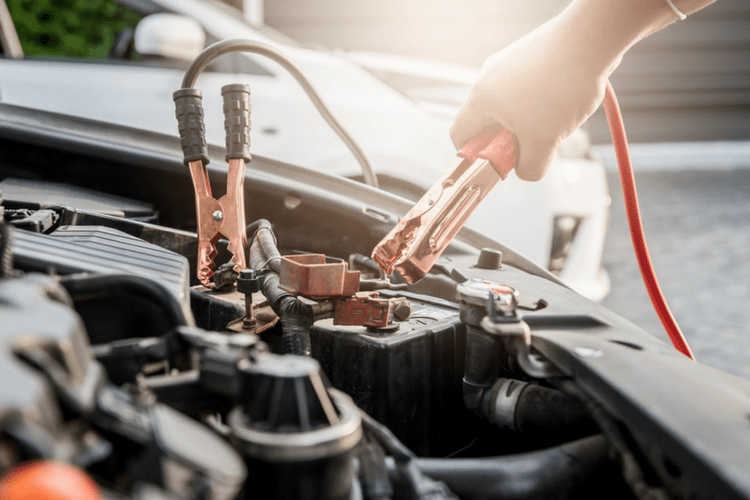
Nobody likes getting stranded. And while there are many reasons a car might leave you on the side of the road, a failing battery is one of the most common – and preventable. As a service advisor, I see this issue every day. Many drivers don't realize their battery is on its last leg until it’s completely dead. But with a little knowledge and attention, you can often catch the warning signs before it's too late. This guide will walk you through the telltale signs of a weakening car battery, how to diagnose the problem, and what your options are.
Recognizing the Warning Signs: Your Battery's SOS
A healthy car battery should last anywhere from 3 to 5 years, depending on driving habits, climate, and battery type. But factors like extreme temperatures, short trips (which don't allow the battery to fully recharge), and leaving lights on can shorten its lifespan. Here's what to look out for:
1. Slow Engine Cranking
This is perhaps the most common and obvious sign. When you turn the key, does the engine hesitate or struggle to start? Does it sound weaker than usual? A healthy battery will crank the engine quickly and consistently. A failing battery will struggle to provide the necessary power, resulting in a slow, labored cranking sound. Pay close attention to the sound your car makes when starting – you'll quickly learn what "normal" sounds like, making it easier to detect any changes.
Think of it like trying to lift something heavy when you're tired. You can still do it, but it takes more effort and feels much slower.
2. Dim Headlights and Electrical Issues
Your car's battery powers all its electrical components, including the headlights, interior lights, radio, and power windows. If you notice that your headlights are dimmer than usual, especially at idle, or that your power windows are slow to roll up or down, it could indicate a weak battery. Similarly, if your radio cuts out or your dashboard lights flicker, suspect a battery issue.
Important: While dim lights and electrical problems can be caused by a failing battery, they can also be caused by a faulty alternator or other electrical issues. We'll discuss how to differentiate between these problems later.
3. Check Engine Light
Believe it or not, a weak battery can trigger the check engine light. This is because the engine control unit (ECU) relies on a stable voltage supply to function correctly. A fluctuating or low voltage from a failing battery can cause the ECU to misinterpret sensor readings and trigger the check engine light. If your check engine light comes on, it's always a good idea to have your car scanned for trouble codes. Many auto parts stores offer free code scanning services.
4. Corroded Battery Terminals
Take a look at your battery terminals (the metal posts where the cables connect). Are they covered in a white, blue, or greenish powdery substance? This is corrosion, and it can interfere with the flow of electricity, making it harder for the battery to deliver power. Corrosion can be caused by battery acid leaking or by chemical reactions with the environment. Cleaning corroded terminals can sometimes improve battery performance, but it's often a sign that the battery is nearing the end of its life.
Safety Tip: When cleaning battery terminals, always wear eye protection and gloves. Disconnect the negative terminal first, then the positive terminal. Use a battery terminal cleaner or a mixture of baking soda and water to scrub the terminals. Rinse with water and dry thoroughly before reconnecting the cables.
5. Swollen or Bloated Battery Case
A healthy battery case should be relatively smooth and rectangular. If you notice that your battery case is bulging, swollen, or cracked, it's a serious problem and the battery needs to be replaced immediately. A swollen battery is often a sign of internal damage and can be dangerous.
Warning: Do not attempt to repair or handle a swollen battery. Contact a professional mechanic for safe removal and disposal.
6. Age of the Battery
As mentioned earlier, most car batteries last between 3 and 5 years. If your battery is approaching or exceeding this age range, it's wise to have it tested, even if you haven't noticed any other symptoms. You can usually find the manufacturing date printed on a sticker on the battery case. Look for a code like "06/21" (June 2021) or "H21" (August 2021 – where A=Jan, B=Feb, etc.).
Diagnosing the Problem: Battery vs. Alternator
If you're experiencing any of the above symptoms, it's important to determine whether the problem is actually the battery or the alternator. The alternator is responsible for charging the battery while the engine is running. If the alternator is failing, it won't be able to properly charge the battery, leading to similar symptoms.
Here are a few ways to differentiate between a battery and alternator problem:
- The Load Test: A load test measures the battery's ability to deliver power under load. Most auto parts stores offer free battery testing services. They'll use a special device to put the battery under a simulated load and measure its voltage. If the voltage drops below a certain threshold, the battery is likely failing.
- The Voltmeter Test: You can also use a voltmeter to check the battery's voltage. With the engine off, a fully charged battery should read around 12.6 volts. If the voltage is significantly lower (e.g., below 12 volts), the battery is likely discharged or failing. With the engine running, the voltage should be between 13.5 and 14.5 volts. If it's significantly lower or higher, the alternator may be the problem.
- The "Jump Start" Test: If your car won't start, try jump-starting it. If the car starts and runs normally after being jump-started, but then dies again soon after, it's likely an alternator problem. If the car still struggles to start even with a jump start, the battery is likely the culprit.
Solution: Replacing a Car Battery
If you've determined that your car battery is indeed failing, the solution is to replace it. Replacing a car battery is a relatively straightforward process, but it's important to follow safety precautions.
Tools you'll need:
- Wrench (usually 10mm or 13mm)
- Battery terminal cleaner or baking soda and water
- Gloves and eye protection
- New car battery
Steps:
- Locate the battery (usually under the hood or in the trunk).
- Disconnect the negative (-) terminal first, then the positive (+) terminal.
- Remove the battery hold-down clamp or strap.
- Carefully lift the old battery out of the tray.
- Clean the battery terminals and tray.
- Place the new battery in the tray.
- Secure the battery hold-down clamp or strap.
- Connect the positive (+) terminal first, then the negative (-) terminal.
Cost:
The cost of a new car battery can range from $80 to $300 or more, depending on the type of battery (e.g., lead-acid, AGM) and the brand. Labor costs for professional installation can add another $50 to $100. Many auto parts stores offer free battery installation if you purchase the battery from them.
Professional Advice:
While replacing a car battery is something many owners can handle, if you are unsure or uncomfortable working with electricity, it's always best to have a professional mechanic handle the replacement. They can also properly dispose of the old battery, which contains hazardous materials.
Don't wait until your car battery leaves you stranded. By paying attention to the warning signs and taking proactive steps, you can avoid the inconvenience and expense of a dead battery.