
How To Tell When Your Car Needs A Tune Up
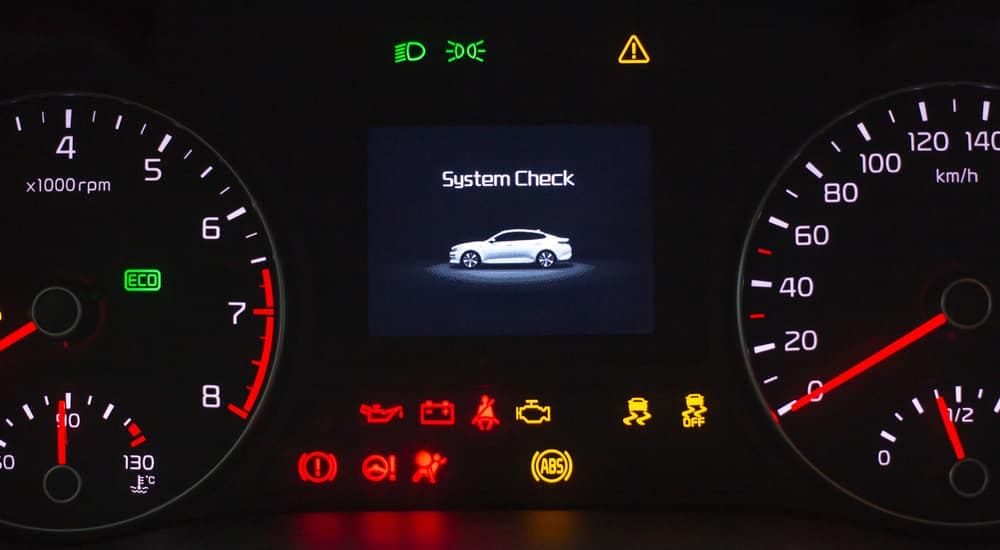
The modern automobile, a marvel of engineering, operates through a complex interplay of interconnected systems. While manufacturers strive for longevity and reduced maintenance, the reality is that wear and tear, environmental factors, and the sheer stresses of combustion eventually necessitate a tune-up. But how does one diagnose the need for this preventative maintenance? Is it simply a mileage-based recommendation, or are there more nuanced indicators that a vehicle is craving some TLC? This guide delves into the telltale signs that your car might be overdue for a tune-up, moving beyond simple generalizations and exploring the underlying technical reasons for these symptoms.
Performance Degradation: More Than Just Feeling Slow
The most obvious, and often the first noticed, indication of a need for a tune-up is a decrease in performance. However, this isn't just about a subjective feeling of sluggishness. It's about quantifying and understanding *why* that performance is diminishing.
Reduced Fuel Economy: A Sign of Inefficiency
One of the most quantifiable metrics is fuel economy. Keep careful records of your miles per gallon (MPG) over time. A noticeable and consistent drop in MPG, especially if your driving habits haven't changed, is a strong indicator. This decrease stems from several potential problems:
Inefficient Combustion: Worn spark plugs, clogged fuel injectors, or a malfunctioning oxygen sensor can all contribute to incomplete combustion. This means the engine isn't extracting all the energy from the fuel, resulting in lower MPG and increased emissions.
A faulty oxygen sensor, for instance, provides incorrect feedback to the engine's computer (ECU), leading to an improper air-fuel mixture. Similarly, older spark plugs, with widened gaps or fouled electrodes, may not ignite the air-fuel mixture efficiently, leading to wasted fuel.
Hesitation or Stalling: Intermittent Power Loss
Hesitation during acceleration, particularly from a stop or at low speeds, is another key symptom. This can manifest as a brief pause or stuttering before the engine responds to the accelerator pedal. More severely, the engine might even stall, especially when idling. The causes are often related to problems in the ignition or fuel delivery systems.
For example, a cracked distributor cap (in older vehicles) or failing ignition coils can cause intermittent spark issues, disrupting the smooth firing sequence of the cylinders. Similarly, a partially clogged fuel filter can restrict fuel flow, leading to fuel starvation under load and causing hesitation or stalling.
Engine Noises and Vibration: Listening to the Mechanics
The engine is a complex mechanical system, and unusual noises and vibrations are often early warning signs of underlying issues. Learning to recognize these sounds can help you catch problems before they escalate.
Rough Idling: Uneven Engine Operation
A smooth, consistent idle is a sign of a healthy engine. A rough idle, characterized by noticeable vibrations and fluctuations in the engine's RPM when at a standstill, indicates that one or more cylinders aren't firing correctly. This could be due to:
Vacuum Leaks: Small cracks or loose hoses in the vacuum system can disrupt the air-fuel mixture, leading to uneven combustion and a rough idle.
Vacuum leaks allow unmetered air to enter the engine, diluting the air-fuel mixture in one or more cylinders. This causes the ECU to compensate, but the uneven mixture still results in a shaky idle.
Misfires: Distinct Stuttering or Jerking
Engine misfires are a more pronounced form of rough idling. A misfire occurs when one or more cylinders fail to ignite the air-fuel mixture properly. This can result in a noticeable stuttering or jerking sensation, particularly during acceleration. The Check Engine Light (CEL) will often illuminate and store a diagnostic trouble code (DTC) indicating the specific cylinder(s) misfiring.
Common causes of misfires include faulty spark plugs, ignition coils, fuel injectors, or even compression problems within the cylinder itself (indicating a more serious issue).
Visual Inspections: Detecting the Hidden Clues
While some issues manifest through performance or auditory cues, others require a closer, more visual inspection of key components.
Spark Plug Condition: Reading the Story of Combustion
Examining the spark plugs can provide valuable insight into the engine's health. The color and condition of the spark plug electrodes can indicate whether the engine is running too rich (excess fuel), too lean (insufficient fuel), or if there are other problems like oil contamination or coolant leaks.
For instance, a spark plug covered in black, sooty deposits indicates a rich-running condition, while a plug with white, ashy deposits suggests a lean condition. Oily deposits indicate oil burning, likely due to worn piston rings or valve seals. A trained mechanic can interpret these clues to diagnose underlying issues.
Air Filter Condition: Ensuring Proper Airflow
A clogged air filter restricts airflow to the engine, leading to reduced performance and fuel economy. Inspect the air filter regularly and replace it when it appears dirty or restricted. A clean air filter is crucial for proper combustion and prevents contaminants from entering the engine.
Fluid Leaks: Identifying Potential Problems
Check for any signs of fluid leaks under the vehicle or around the engine. Leaks can indicate a variety of problems, from simple gasket failures to more serious issues like oil leaks from the engine or transmission.
The Role of Diagnostic Trouble Codes (DTCs)
The Check Engine Light (CEL) is a crucial indicator of potential problems. When illuminated, it signifies that the ECU has detected a fault and stored a Diagnostic Trouble Code (DTC). While a CEL doesn't always necessitate an immediate tune-up, it should be investigated promptly.
Using an OBD-II scanner, you or a mechanic can retrieve these DTCs, which provide valuable information about the nature and location of the fault. DTCs can point to specific issues like a faulty oxygen sensor, a misfiring cylinder, or a problem with the fuel system.
Beyond the Obvious: The Importance of Regular Maintenance
Ultimately, the best way to avoid the need for major tune-ups is to adhere to a regular maintenance schedule. This includes:
- Changing the oil and oil filter at recommended intervals.
- Replacing the air filter and fuel filter as needed.
- Inspecting and replacing spark plugs according to the manufacturer's recommendations.
- Checking and adjusting valve clearances (if applicable).
- Maintaining proper coolant levels and flushing the cooling system periodically.
By proactively addressing these maintenance tasks, you can significantly extend the life of your engine and prevent many of the problems that necessitate a tune-up. Regular maintenance is an investment in the long-term health and reliability of your vehicle.
In conclusion, understanding the signs that your car needs a tune-up involves paying attention to performance, listening to engine sounds, conducting visual inspections, and utilizing diagnostic tools. By combining these methods, you can accurately assess your vehicle's condition and take proactive steps to ensure its continued performance and longevity. Remember, early detection and preventative maintenance are key to avoiding costly repairs down the road.