
How To Tell Which Oxygen Sensor Is Bad
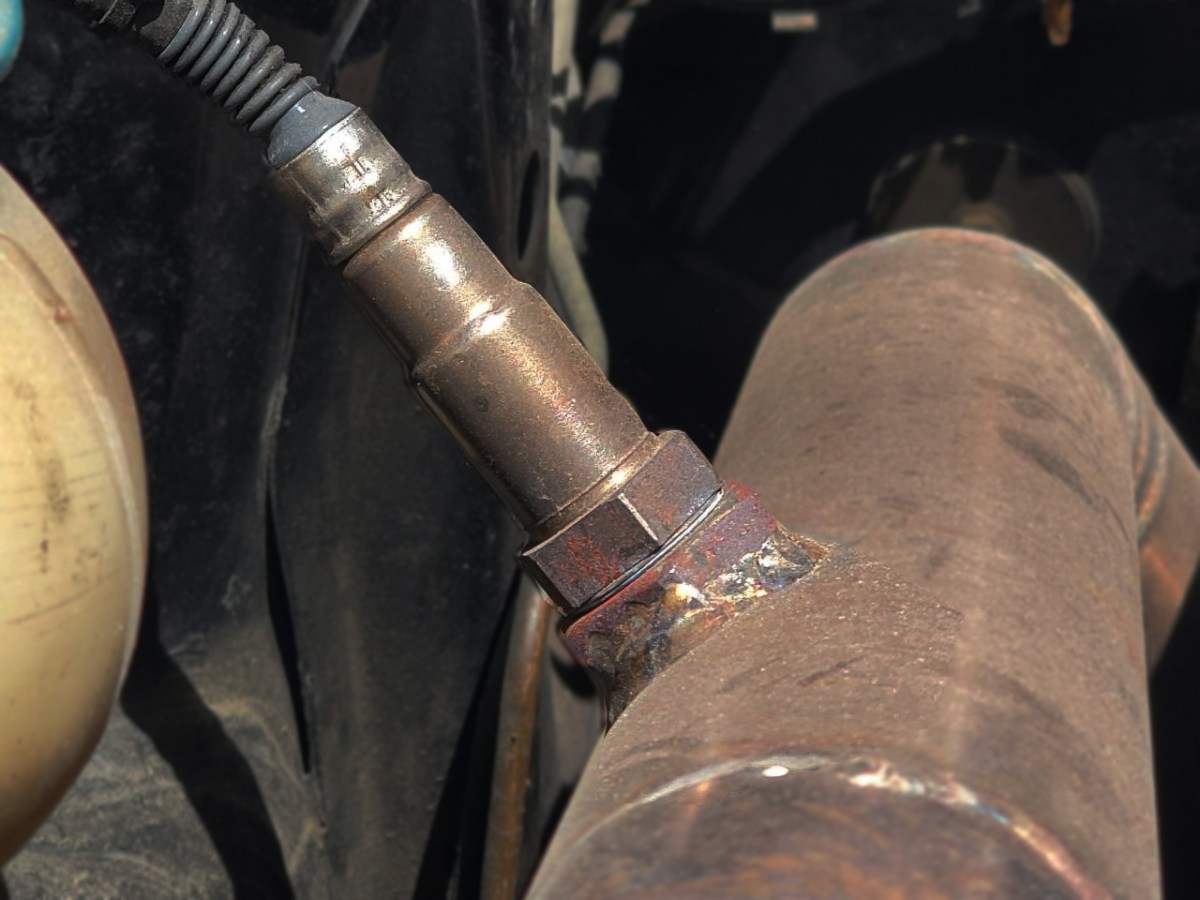
Oxygen sensors are critical components in modern vehicles, playing a vital role in ensuring optimal engine performance, fuel efficiency, and emissions control. Determining which sensor is faulty, however, can be a complex task, requiring a solid understanding of their function, construction, and diagnostic procedures. This article provides an in-depth look at how automotive professionals can accurately pinpoint a malfunctioning oxygen sensor.
Understanding Oxygen Sensor Function and Types
The primary function of an oxygen sensor is to measure the amount of oxygen present in the exhaust gas. This data is then relayed to the engine control unit (ECU), which uses it to adjust the air-fuel mixture for optimal combustion. There are primarily two types of oxygen sensors used in automotive applications: Zirconia and Titania.
- Zirconia Sensors: These are the more common type. They generate a voltage proportional to the difference in oxygen concentration between the exhaust gas and ambient air. A rich mixture (less oxygen) results in a high voltage (near 0.9V), while a lean mixture (more oxygen) produces a low voltage (near 0.1V). Zirconia sensors require a heating element to reach their operating temperature (around 300-400°C) quickly, enabling closed-loop control soon after engine start-up.
- Titania Sensors: These sensors, while less common, operate based on changes in electrical resistance. When exposed to different oxygen concentrations, their resistance varies. A rich mixture causes a low resistance, while a lean mixture results in a high resistance. They also require a heating element.
Modern vehicles often employ multiple oxygen sensors: typically one or two upstream (before the catalytic converter) and one or two downstream (after the catalytic converter). The upstream sensors are responsible for air-fuel mixture control, while the downstream sensors monitor the efficiency of the catalytic converter.
Diagnostic Procedures for Identifying a Faulty Oxygen Sensor
Accurately diagnosing a faulty oxygen sensor requires a systematic approach. Here's a breakdown of the essential steps:
- Retrieve Diagnostic Trouble Codes (DTCs): Use a scan tool to retrieve any stored DTCs related to the oxygen sensor system. Codes like P0130-P0167 (Sensor Circuit Malfunction/No Activity) or P0420 (Catalyst System Efficiency Below Threshold) are common indicators. However, a DTC alone is not sufficient for a definitive diagnosis.
- Visual Inspection: Thoroughly inspect the sensor, wiring, and connectors for any signs of damage, corrosion, or contamination. Look for oil, coolant, or fuel leaks that could be affecting the sensor's performance.
- Live Data Monitoring: Use a scan tool to monitor the oxygen sensor readings in real-time. Observe the voltage or resistance fluctuations. Upstream sensors should rapidly oscillate between rich and lean, while downstream sensors should exhibit a more stable voltage. Erratic or sluggish readings are indicative of a potential problem. Pay attention to the sensor's response time to fuel enrichment and leaning events. A slow response indicates degradation.
- Heater Circuit Testing: Verify the functionality of the heater circuit. Use a multimeter to check for voltage and ground at the heater circuit connector. A faulty heater circuit will prevent the sensor from reaching its operating temperature and functioning correctly. Measure the resistance of the heater element itself; an open circuit indicates a failed heater.
- Back Pressure Testing: Excessive exhaust back pressure can damage oxygen sensors. Perform a back pressure test to rule out a clogged exhaust system.
- Fuel Trim Analysis: Analyze the short-term and long-term fuel trim values. Excessively positive or negative fuel trim values can indicate a lean or rich condition, which may be caused by a faulty oxygen sensor.
- Sensor Swap (Proceed with Caution): If you suspect a specific sensor is faulty, you can try swapping it with a known good sensor. However, this should be done with caution as it can be time-consuming and may not always be conclusive. Ensure the replacement sensor is the correct type and specification for the vehicle.
- Oscilloscope Analysis: An oscilloscope provides a more detailed view of the sensor's output signal. It can reveal subtle anomalies that may not be apparent with a scan tool. Look for signal amplitude, frequency, and shape.
Alternatives to Traditional Oxygen Sensors
While Zirconia and Titania sensors remain prevalent, alternative technologies are emerging, such as:
- Wideband Oxygen Sensors (Air-Fuel Ratio Sensors): These sensors provide a more accurate and linear output signal over a wider range of air-fuel ratios. They are commonly used in modern vehicles and offer improved engine control and fuel efficiency.
- Planar Oxygen Sensors: These sensors feature a planar design that allows for faster warm-up times and improved performance. They are often used in hybrid and electric vehicles.
Pros of Wideband Sensors: More accurate readings, wider operating range, faster response time.
Cons of Wideband Sensors: More complex circuitry, higher cost.
Reliability and Maintenance
Oxygen sensors are exposed to harsh conditions, including high temperatures, exhaust gases, and contaminants. Their lifespan is typically between 60,000 and 100,000 miles. Regular maintenance, such as replacing air filters and addressing oil leaks, can help extend their lifespan. Avoid using silicone-based sealants near oxygen sensors, as silicone can contaminate the sensor and impair its performance. Consider using sensor-safe anti-seize compound on the threads during installation.
Future Trends
The future of oxygen sensor technology is likely to focus on improved accuracy, durability, and integration with advanced engine management systems. We can expect to see more widespread adoption of wideband sensors and the development of new sensor technologies that are more resistant to contamination and degradation. Furthermore, sensors will likely become smarter, with onboard diagnostics capabilities and the ability to communicate more detailed information to the ECU.
Conclusion
Diagnosing a faulty oxygen sensor requires a thorough understanding of its function, construction, and diagnostic procedures. By following a systematic approach and utilizing the appropriate tools and techniques, automotive professionals can accurately pinpoint the source of the problem and ensure that the vehicle is operating at its optimal performance. As the automotive industry continues to evolve, staying informed about the latest sensor technologies and diagnostic methods will be crucial for providing high-quality service and maintaining customer satisfaction. The increasing complexity of vehicle systems necessitates a commitment to ongoing training and investment in advanced diagnostic equipment. This forward-looking approach will be essential for navigating the challenges and opportunities presented by the rapidly changing automotive landscape.